The Story
Why it exists.
The beginning
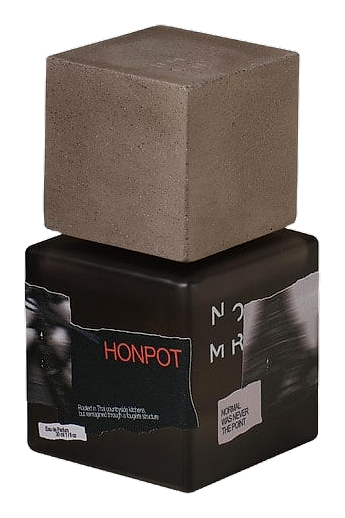
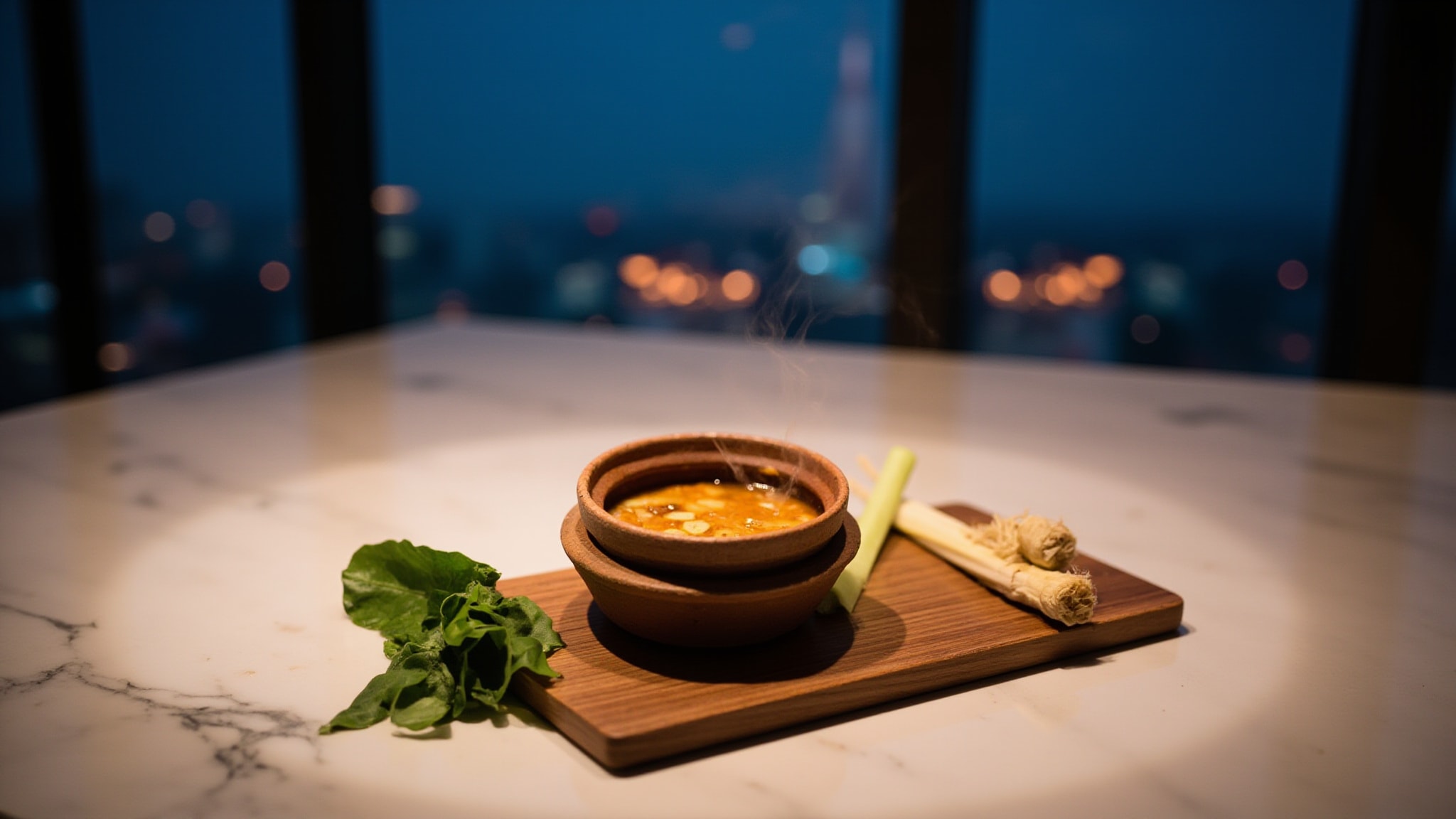
Honpot captures a room where steam rises off the broth and conversation does the same. Conceived by perfumer Anunsith Wongkornvanich and released in 2025 under NOMR's Off-Thai Record series, the composition translates the sensory chaos of a shared meal into scent. The official description lays out the aromatics clearly: kaffir lime leaves, galangal, lemongrass, chili, and culantro mingling with warmth and broth. The interplay between these ingredients feels immediate, almost edible, yet nothing literal clambers to the surface. There's a convivial energy here, something communal and warm that settles into the room rather than demanding it.
What makes the structure interesting is what it's replacing. The bones underneath are classic fougère, an aromatic framework built around herbal and mossy accords. Honpot swaps the Western herb garden for a Thai one and keeps the structure standing. Galangal brings its own version of warmth, distinct from the ginger some might expect, carrying a sharper aromatic edge. Green chili holds the gentle burn that typically belongs to pepper notes.
The evolution
The first ten minutes belong to citrus and herbs. Kaffir lime and lemongrass cut through sharp and clean, bright enough to register before you've even warmed the bottle in your hands. Culantro adds an unexpected green depth underneath, layered and slightly bitter in a way that gives the opening its edge. Within twenty minutes, the basil and galangal start pulling the composition downward into something warmer and more savory. The green chili flickers in and out, more suggestion than statement, lending a tingle that sits on the skin like steam on the back of your neck. After the first hour, the oakmoss and patchouli take over the floor. The herbs recede but never fully leave, they just become quieter, folded into the mossy, resinous base. Labdanum and vetiver settle the whole thing into a warm, grounded haze that clings close to skin through the afternoon.
Cultural impact
Honpot stands out in a category crowded with culinary gestures because it leans into the savory and herbaceous corners rather than chasing sweetness or dessert. Where many Thai-inspired compositions might reach for pandan or coconut cream, this one roots itself in the aromatic backbone of Thai cooking: the holy basil, the galangal, the bright sting of chili and lime. Wearers describe it as savory and edible without smelling like food, an uncanny valley of sorts where the fragrance conjures the kitchen without imitating any single dish.