The Story
Why it exists.
The beginning
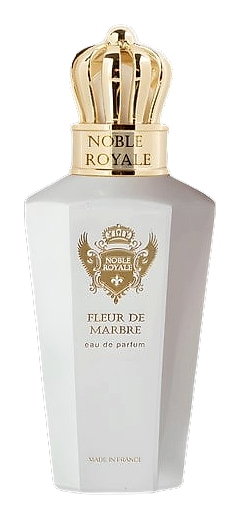
Fleur de Marbre, 'marble flower', was composed by Philippe Paparella-Paris and released in 2018. The name suggests something sculptural and restrained, which is partly true. What unfolds on skin is anything but cool. White florals, creamy woods, and a sweet warmth that reads as rich without being heavy. The composition moves from citrus to white floral to warm woody base, creating a fragrance that unfolds with intention and depth. Each layer builds naturally on the one before it, offering a sensory experience that feels both refined and enveloping.
The heart of Fleur de Marbre is the tuberose absolute. The brand calls it out directly: richness, creaminess, a slight fruitiness from the raspberry accord. The orange blossom top note introduces sweetness and honeyed facets, but once the heart arrives, the florals take center stage. The balance in the base, milky sandalwood and vanilla, extends the sweetness into a warm, intimate drydown rather than letting it sharpen or fade. The result is a white floral with notable presence and depth.
The evolution
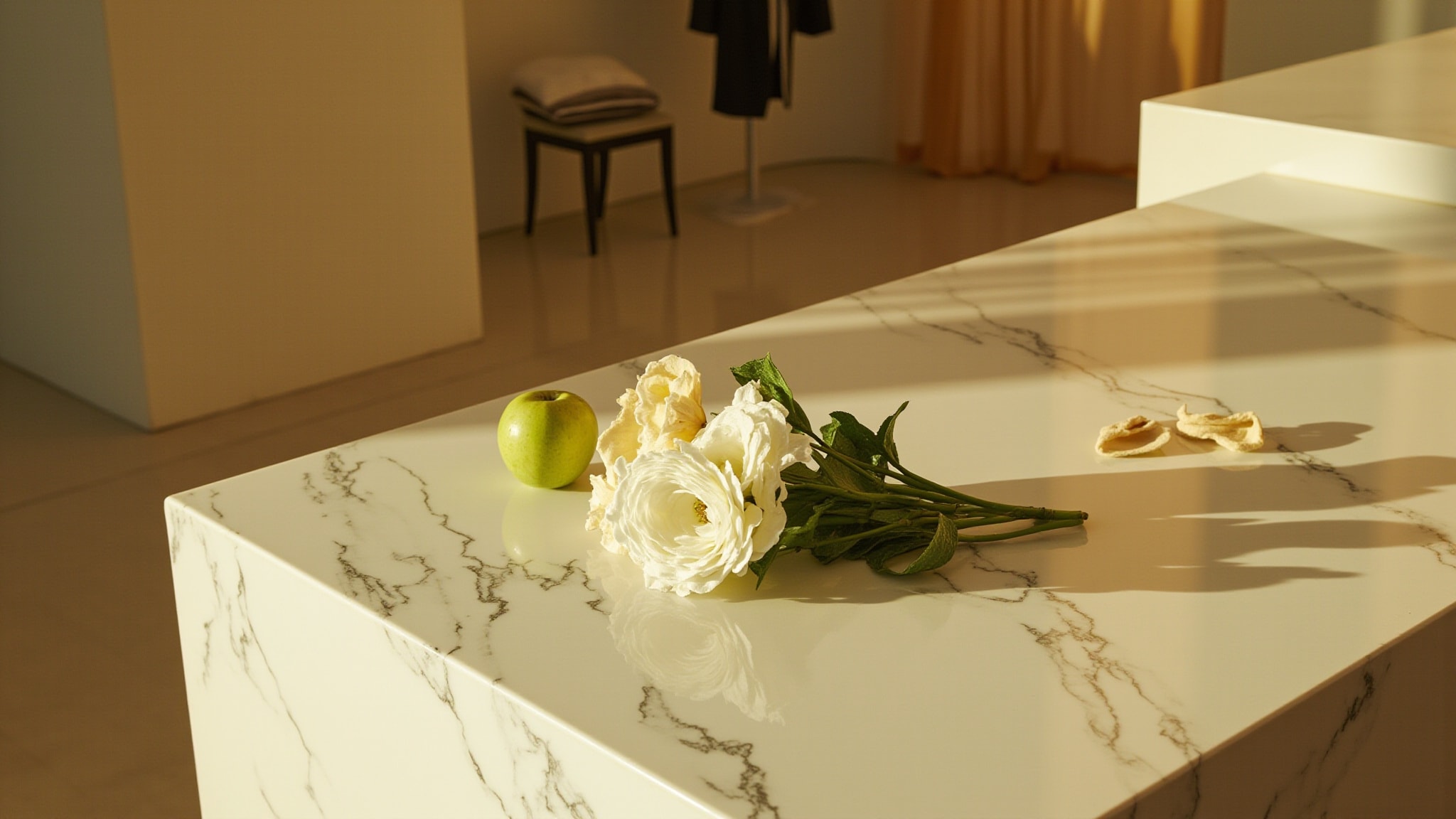
The opening is immediate and clean: orange blossom, bergamot, a hint of green apple. There's a brightness here that feels almost crisp. But it doesn't stay quiet for long. Within minutes the tuberose arrives, and it arrives fully formed, creamy, indolic. The jasmine, ylang-ylang, and lily of the valley layer underneath, but this is unmistakably a tuberose fragrance. The floral heart holds for a few hours, with the raspberry accord adding just enough fruit to keep it from feeling monochromatic. Then the base takes over. Vanilla, sandalwood, heliotrope, and a whisper of ambergris and leather. The drydown is warm, powdery, and intimate, the kind that stays close to the skin rather than announcing itself.
Cultural impact
Fleur de Marbre is a white floral with creamy woods and a warm, sweet drydown. The fragrance builds its structure cleanly and executes well, creating a scent that feels both refined and enveloping. The scent offers opulence without leaning into the green, indolic extremes that characterize some white florals, instead favoring a richer, creamier interpretation of the style. The combination of white florals with creamy woods creates a distinctive character that sets it apart within the white floral genre.