The Story
Why it exists.
The beginning
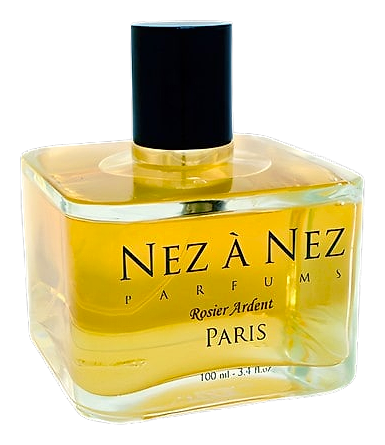
Karine Chevallier built Rosier Ardent around a paradox: the rose as survivor, not ornament. The Nez collective frames it as a flower escaping to pierce through a world of sensation, spices fused to incandescent petals, a rose that believed itself a chrysalis, transformed by its own heat. Chevallier doesn't soften the rose or let it arrive quietly. The fragrance opens as an argument, not an introduction, and lets the flower find its own path through.
The structure is unusual. Spices lead, cardamom, caraway, cinnamon, black pepper, and in most rose fragrances that warmth would dominate the heart. Chevallier does the opposite. The rose doesn't arrive gently after the spice fades. It pushes through while the heat is still present, arriving as something insistent and almost stubborn. That tension, the rose refusing to wait its turn, is what makes the composition interesting. It treats the flower as a force rather than a finisher.
The evolution
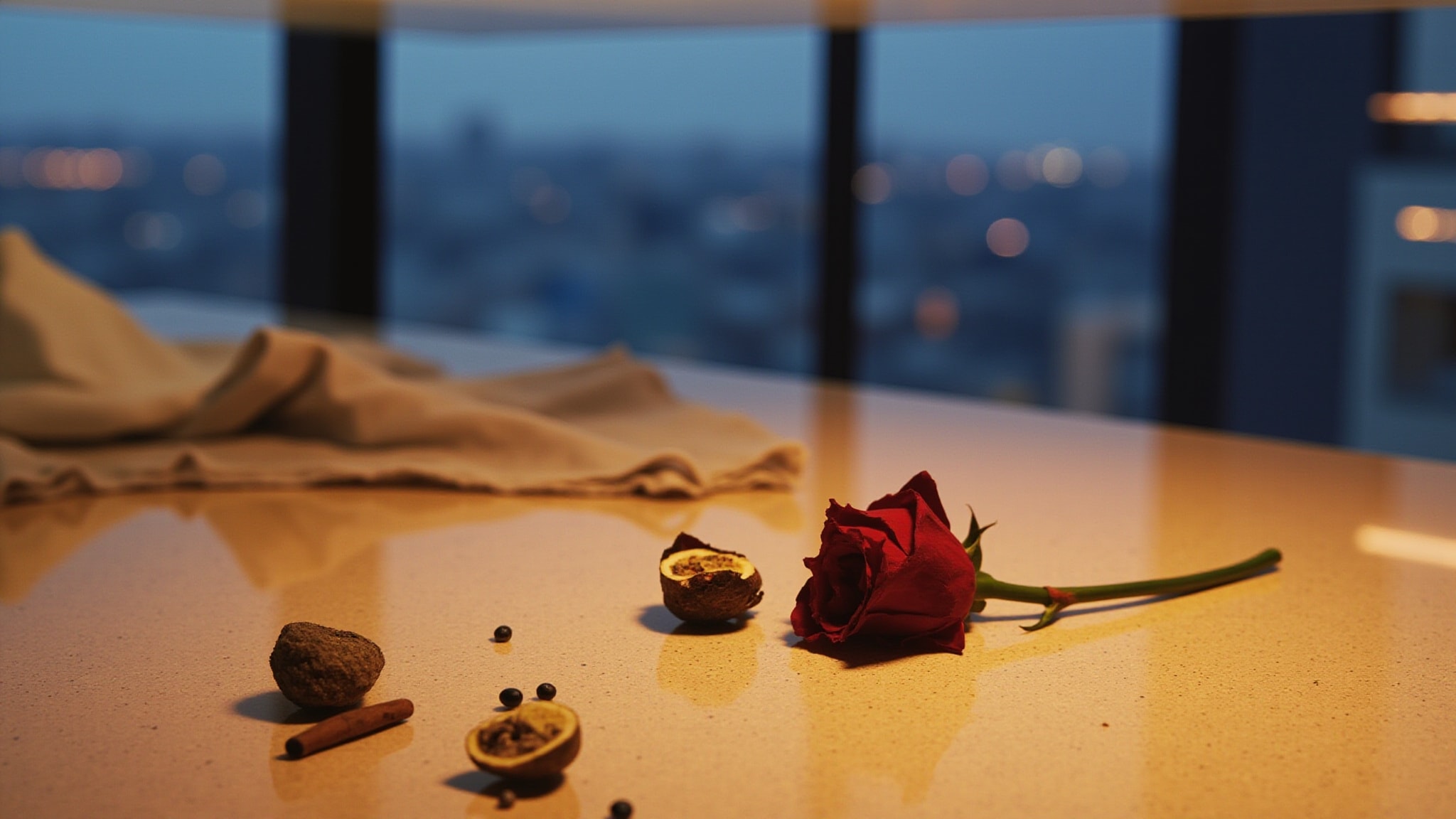
The opening hits with force: cardamom, caraway, black pepper, cinnamon. The warmth is immediate and slightly sharp, like entering a room where something's already burning. For the first ten minutes, the spices don't invite, they assert. Then the rose begins to emerge, and it doesn't ask for space. It takes it. The cinnamon and pepper don't disappear; they become the heat the rose pushes against, and the flower arrives not soft but certain. As the composition develops, the base notes arrive: resin, cedarwood, vetiver, and patchouli, and the scent turns intimate. The resin and cedarwood blend into something warm and close, the kind of drydown that doesn't fill a room but stays with you. Vetiver and patchouli add earth and depth, and the rose, still present, becomes quieter, part of the warmth rather than the event. Moderate sillage keeps it personal throughout the wear.
Cultural impact
Rosier Ardent presents a structure that challenges the conventional rose-perfume template, which typically positions rose as the softening agent in a composition. Instead, this fragrance refuses to soften its spices for comfort, letting cardamom and black pepper assert themselves fully before the rose arrives. This arrangement places the floral element not as an introductory gesture but as a reward earned after the opening's intensity. The approach treats rose as the culmination of the scent's narrative arc, creating a progression that asks the wearer to move through the spice experience before reaching the floral payoff.