
The Story
Why it exists.
The beginning
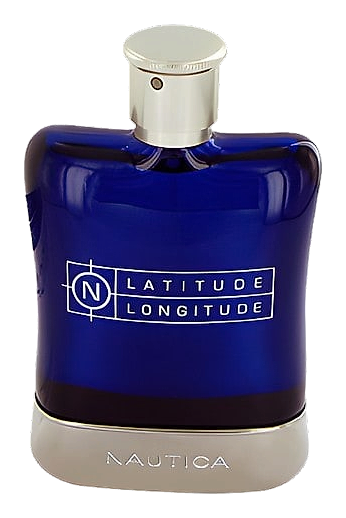
Harry Frémont designed Latitude Longitude for Nautica in 2000. The name itself is a navigation joke, coordinates for wherever you're headed, not where you've been. From the first spray, the fragrance opens with crisp green notes that feel bright and alive, lifted by an aquatic quality that never becomes too heavy. Spice surfaces in the heart, adding a subtle complexity that catches your attention without demanding it. Oakmoss anchors the composition as it settles, offering a dry, earthy foundation that rewards the patient wearer. The overall effect is fresh yet substantial, masculine without being loud, a fragrance that feels like a well-worn path rather than a shouted announcement.
The black tea note is the tell. It doesn't smell like what you drink in the afternoon, it's more vegetal, slightly bitter, the ghost of moisture on warm leaves. In a composition alongside water mint and patchouli, it creates a green-spicy tension that most male fragrances from that era simply didn't attempt. The fougère structure (aromatic top, floral-herbal heart, mossy base) is classic, but the execution isn't. This isn't a declaration fragrance. It's a 'I know what I'm doing' fragrance, quiet in the best sense.
The evolution
The first spray is almost medicinal, tarragon sharpens the air, coriander adds warmth, bergamot cuts through like a cold drink on a warm dock. Thirty minutes in, the herbs recede and water mint takes over, cooling the skin the way fog cools the air before sunrise. Patchouli arrives next, earthy and dry, threading through the black tea. The drydown is where oakmoss earns its place, not loud, not sweet, just the smell of damp stone and worn-in confidence. Lasts six to eight hours on most skin, projects strongest in the first hour, then becomes something you notice when you're close enough to notice.
Cultural impact
Latitude Longitude occupies an interesting position in the early-2000s male fragrance landscape, sitting alongside mass-market fresh fragrances without quite belonging to the fougère tradition that preceded it. The water mint and black tea combination is genuinely unusual for the period, which may explain why it never reached the ubiquity of Voyage. Wearers who found it tended to stay loyal. A green-fresh fougère that doesn't perform masculinity loudly. It's the fragrance equivalent of the person who doesn't need the room to know they've arrived.