The Story
Why it exists.
The beginning
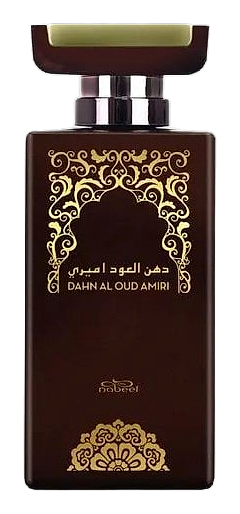
Dahn Al Oud Amiri carries a name rooted in the classical vocabulary of Arabic perfumery, and it sets the register before you even uncork the bottle. It sits within the Nabeel catalogue as a composition that treats resin and smoke as primary materials, not as supporting cast. The perfumer behind it, Asghar Adam Ali, also serves as brand owner and perfumemaker, which signals hands-on involvement with the formula from concept through compounding. The source notes list bergamot, frankincense, thyme, leather, guaiac wood, patchouli, amber, labdanum, and vanilla, a lineup that leans heavily on incense, cured hide, and resin rather than the dense oud-centered accord many wearers might expect from the name.
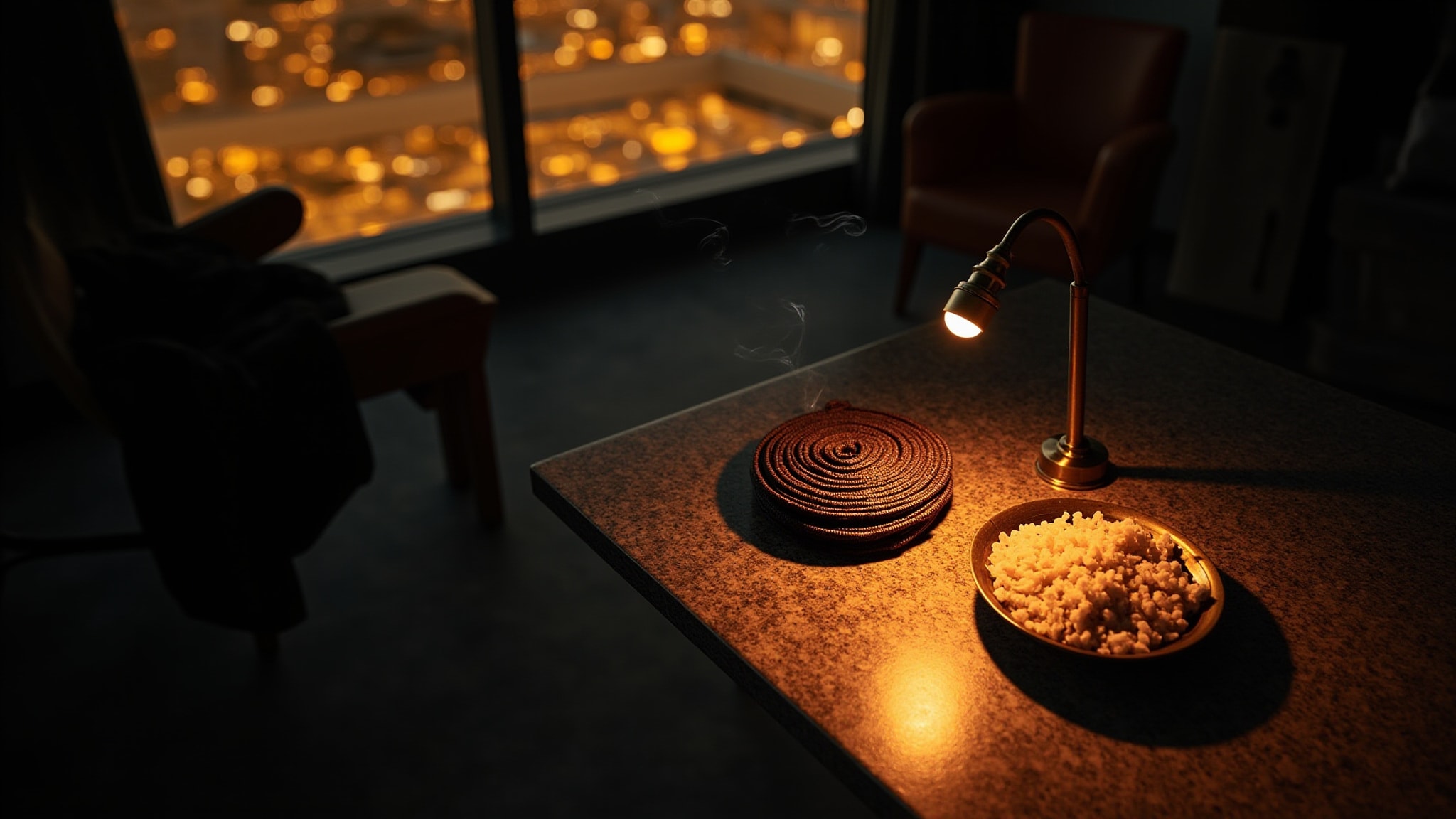
What's quietly unusual here is the way frankincense takes the lead, functioning as the primary spice rather than a background accent. The heart lets leather and guaiac wood do the heavy lifting, creating a drier, more architectural profile than you'd expect. The result reads smoky and mineral, with less sweetness and more restrained, ashen character throughout the wear. Less confection, more combustion, a tonal choice that keeps the composition from collapsing into the syrupy territory where many regional launches tend to land.
The evolution
First ten minutes, bergamot does the quiet work, a quick slice of citrus that catches you off guard before the frankincense and thyme rise underneath. It's not sharp citrus the way a cologne would be. It's the moment before a church door opens. Then the handover: frankincense thickens, thyme goes dry and almost medicinal, and leather steps in not as an accent but as the foundation. Guaiac wood adds a charred, smoky weight that reads woody-ashy rather than woody-sweet. Patchouli sits underneath, barely announceable, just enough to keep the heart from floating. As the hours pass the base takes over and doesn't let go. Amber and labdanum build a resinous warmth that clings to skin like humidity on glass. Vanilla softens the edges without sweetening the profile, there's no sugar here, just a faint, almost dusty sweetness.
Cultural impact
Within enthusiast circles, this release tends to come up in conversations about drier, less saccharine Arabic perfumery, the kind of scent chosen by wearers who already know the genre's default moves and want something that pushes past them. The smoky-spicy character draws frequent comparisons to Amouage's Interlude Man, a name that comes up often when collectors describe what this composition is doing tonally. The profile makes it a natural fit for anyone building a rotation around the heavier, more contemplative side of the spectrum, particularly as the weather cools and lighter compositions fade into the background.