
The Story
Why it exists.
The beginning
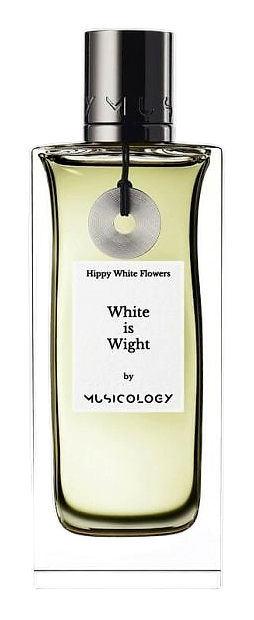
White Is Wight arrived in 2020, composed by Nathalie Lorson. The scent opens with a quiet insistence, the kind of clean that doesn't shout but simply occupies the room. Cotton leads, and it behaves more like texture than note, a softness you register before you identify it. There's no rough edge, no synthetic sheen. Lotus arrives alongside it, cool and green but never aquatic, the way a shaded pond feels rather than the way it looks. Jasmine appears too, but it stays restrained, never tipping into the heavy, almost animalic territory that jasmine can fall into. The whole opening reads like breath held mid-exhale, suspended and still. What carries through is a sense of quiet clarity, the composition holding its shape without force. Nothing jars, nothing overwhelms.
What's unusual here is the restraint. Most fresh florals reach for citrus to cut through. Lorson skipped it entirely. Instead she built the brightness from cotton and lotus alone, notes that whisper instead of announce. The almond milk at the base is the quiet genius, a lactonic softness that keeps the whole thing from feeling sterile. Without it, the composition would be a sketch. With it, the composition becomes a place.
The evolution
The opening is almost baffling in its softness. Cotton and lotus don't arrive so much as materialize, like stepping into a room where someone just opened a window. There's a faint green-cool edge from the lotus, but no coldness, no synthetic chill. It's water on stone, filtered through linen. Jasmine begins to surface gradually, never rushing to dominate. It stays restrained, almost translucent, as if the cotton is still softening every facet. The musk underneath isn't doing what musk often does in other compositions. It hums. It makes the jasmine feel inhabited, rooted in something warm rather than floating in air. The composition shifts into its longest, quietest phase as almond milk arrives and takes over, warm and slightly sweet but never gourmand. It smells like the last trace of someone who wore body lotion hours ago, the ghost of comfort.
Cultural impact
White Is Wight draws comparisons to fresh laundry and clean skin more often than to traditional perfumery. Wearers tend to describe it in terms of comfort, the kind of scent that feels like a favorite t-shirt rather than a formal accessory. That vocabulary matters, because it positions the fragrance as something personal and approachable rather than performative. It doesn't ask to be noticed across a room. It rewards closeness, the kind of scent that registers when someone leans in rather than when they walk past.