
The Story
Why it exists.
The beginning
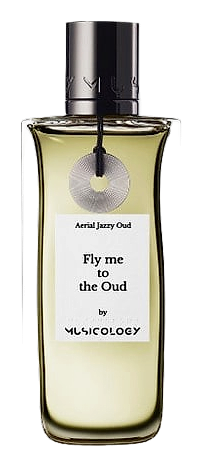
The name says it all. Fly Me To The Oud takes its cue from jazz, the genre where a single instrument can carry a room, where improvisation turns familiar scales into something that feels new. Musicology's premise has always been about translating sound into scent, and this fragrance is the proof of concept: what happens when oud stops being background music and takes the spotlight instead? Nathalie Lorson built the composition around that idea, that oud deserves a moment, and she's giving it one.
The trick isn't making oud louder. It's making it lighter. Australian sandalwood does the work here, creamier and more accessible than its Indian counterpart, letting the oud read as warm rather than medicinal. Black pepper adds the heat, incendiary in the opening, controlled. Then the heart arrives: leather and moss, the kind of dusky combination that makes skin smell like somewhere interesting. Brown sugar in the base is the surprise, sweet without being saccharine, the way caramel tastes when it's almost burnt. Patchouli anchors everything, earthy and deep, keeping the sweetness honest.
The evolution
The first five minutes are all black pepper and sandalwood. Bright, almost sharp, with the sandalwood reading more like cream than wood. The pepper doesn't attack, it flickers. Within ten minutes, the oud arrives. Not all at once. It builds underneath the spice like a bass line finding its groove. Leather and moss follow, settling into the composition around the thirty-minute mark. The drydown is where it earns its hours: brown sugar sweetness layered over patchouli and the ghost of leather, warm and close to skin. Eight to ten hours on most skin types. The next morning, there's a faint trace of patchouli and brown sugar on fabric, not loud, but present. The kind of longevity that doesn't need to announce itself.
Cultural impact
The pairing of Australian sandalwood with oud marks a quiet shift in how Western perfumery approaches traditionally Eastern ingredients. Australian sandalwood, harvested from sustainable plantations in Queensland, offers a creamier, sweeter woodiness compared to the denser Indian or Burmese varieties, making it an entry point for those curious about oud but hesitant toward its darker, medicinal facets. This fragrance democratizes an ingredient once reserved for luxury contexts and ceremonial use, opening it to everyday wear without sacrificing depth. The black pepper note grounds the composition in contemporary taste, reflecting perfumery's move toward gender-neutral, versatile scents that refuse easy categorization.