The Story
Why it exists.
The beginning
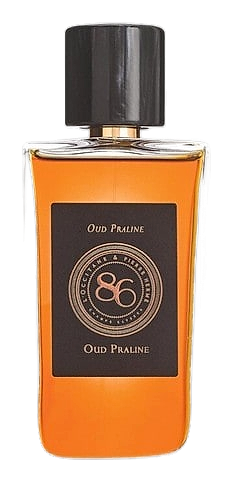
Oud Praline arrived in 2020, composed by Shyamala Maisondieu for L'Occitane en Provence. The name says it all. Two words that promise warmth, indulgence. Hazelnut and caramel arrive together, creating a praline that feels roasted and buttery rather than simply sweet. The caramel adds depth without becoming syrupy, while the hazelnut provides a nutty richness that grounds the composition. Against this, the oud brings a dry, resinous quality that keeps the sweetness from becoming cloying. It's an unexpected pairing at first: the warmth of praline against the cooler, more austere character of agarwood. But Maisondieu makes them work together, letting each note soften the other without losing its identity.
What makes Oud Praline interesting isn't the oud, it's the hazelnut. Hazelnut praline is rich, almost buttery, with a roasted quality that could tip into headache territory fast. The oud is what saves it. Agarwood brings a dryness, a faint animal warmth that keeps the sweetness honest instead of cloying. It's a composition that trusts contrast: sweet against dry, soft against resinous. The dry warmth of the oud keeps the sweetness grounded, preventing it from becoming overwhelming. It's the balance between these two families that makes the pairing work. This one goes comfortable.
The evolution
The opening is all clean heat. Red ginger arrives quickly, not the sharp kind that stings the nose, but a warm, rounded spice that wakes everything up without alarming it. Behind it, cardamom and coriander settle in, green and faintly citrus. Thirty minutes in, the spice begins to thin and the hazelnut-cream arrives. Caramel and praline amplify each other here, creating something buttery and sweet without tipping into confection. This is the wearing phase, the part that earns the name. It holds for two or three hours, warm and nutty, before the oud finally announces itself. Not with smoke or drama. The agarwood arrives late and quiet, grounding the sweetness, keeping it close to the skin rather than projecting it outward. That's what separates this from heavier oud compositions: it doesn't announce. It lingers.
Cultural impact
Oud Praline brings together two families that rarely share space. Hazelnut praline is rich, almost buttery, with a roasted quality that could tip into headache territory fast. The oud is what saves it. Agarwood brings a dryness, a faint animal warmth that keeps the sweetness honest instead of cloying. It's a composition that trusts contrast: sweet against dry, soft against resinous. Oud Praline is comfortable. That's harder than it sounds.