

The Story
Why it exists.
The beginning
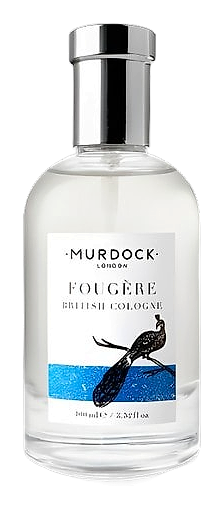
Murdock London introduced Fougère in 2010, placing it within a contemporary fragrance culture shaped by both classic perfumery and modern release culture. Its fougère construction draws on a familiar vocabulary: lavender, fern, spices, and oakmoss. Those notes establish a clear route through the composition, balancing the aromatic character of lavender with the green presence of fern, the warmth of spices, and the dry depth of oakmoss. Nothing needs explaining before you wear it. The structure is the message: a composed, aromatic scent built around contrasts that are immediately legible, yet leave room for discovery as the fragrance settles into its own identity.
Fougère is built around a widely recognized accord, with lavender, fern, spices, and oakmoss providing its principal character. Lavender brings the aromatic opening, while fern introduces a greener, more natural register. Spices add a warmer layer, keeping the composition from reading as simply floral or vegetal. Oakmoss provides depth below, giving the whole fragrance a dry, grounded finish. The result is precise rather than ornamental: aromatic, textured, and composed. It doesn't need excess decoration to hold attention.
The evolution
The listed notes suggest a progression from lavender through fern and spices before settling around oakmoss. Lavender gives the composition its first aromatic impression. Fern then brings a green, leafy quality that broadens the center and keeps the scent connected to the idea of a fougère accord. Spices add warmth and a subtle sense of movement, preventing the green material from feeling flat. Oakmoss forms the base, contributing dryness and depth as the composition becomes more grounded. Together, these notes create a progression that can be read in layers rather than separated into isolated effects. The scent is defined by their interaction: floral, green, warm, and dry elements held within a classic structure.
Cultural impact
Fougère by Murdock London entered the fragrance landscape in 2010, drawing on a familiar category while presenting it through a compact set of notes. Lavender, fern, spices, and oakmoss connect the release to the established language of fougère, but the combination gives it a contemporary profile within that tradition. Its appeal lies in recognition and reinterpretation rather than novelty alone. The composition offers a clear point of reference for anyone familiar with aromatic perfumery, while the green and dry elements add another dimension for those exploring the category from a different angle.