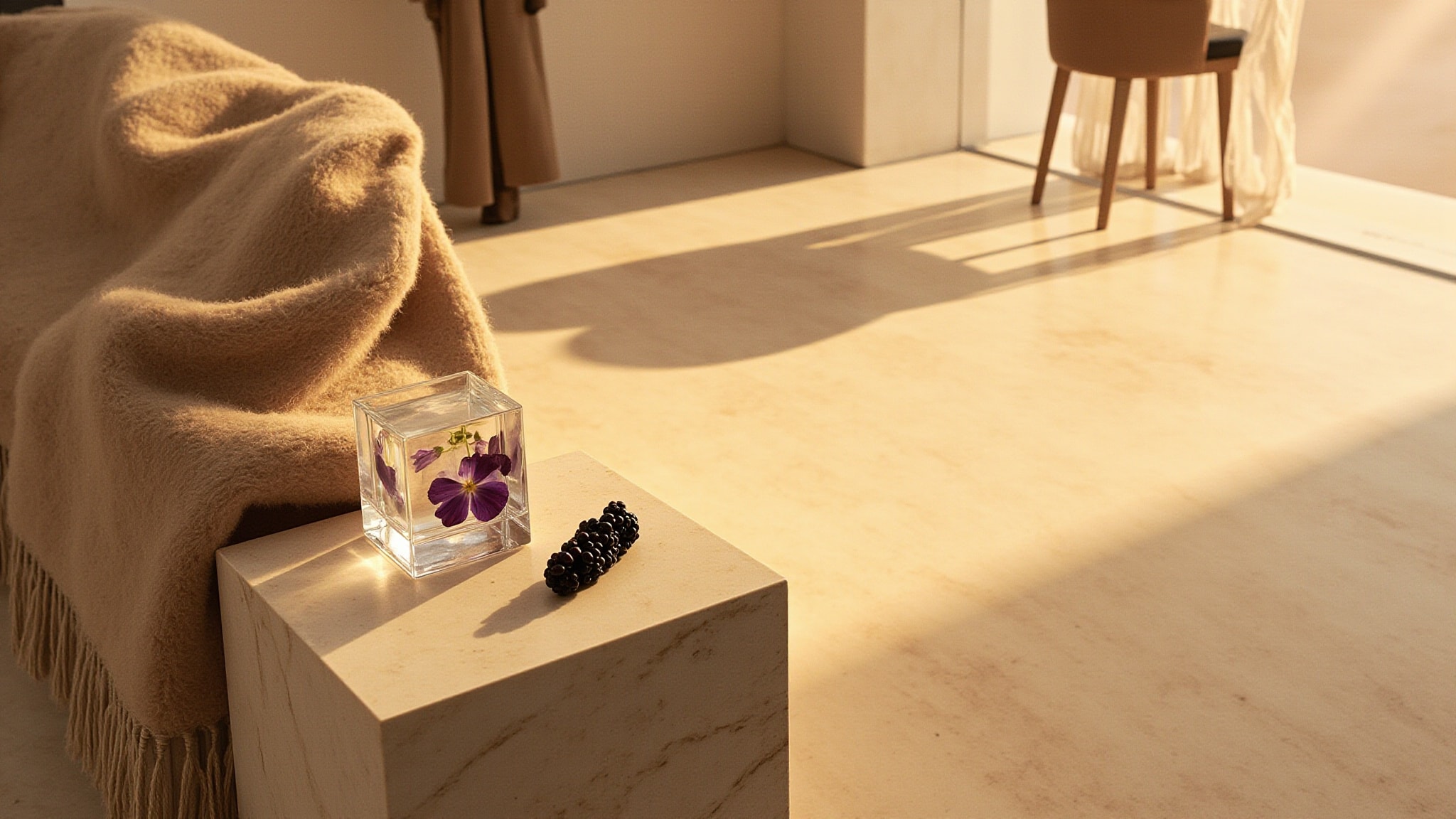
The Story
Why it exists.
The beginning
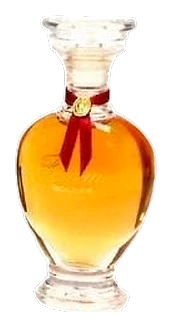
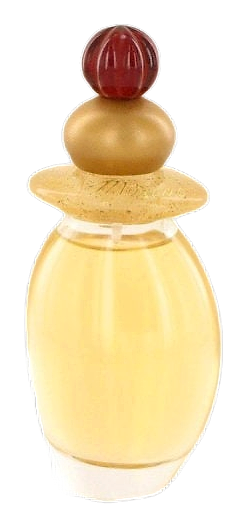
Eau De Murano arrived in 1994, crafted by Michel Almairac for a house that draws its identity from Venetian perfumery traditions. The name alone tells you where you are, Murano, the island off Venice where glassmakers shaped beauty into objects meant to last centuries. That same reverence for craft runs through this composition, where powdery florals and fleshy fruit meet in something that feels both old-world and oddly modern. The brief seems simple: translate a place into scent. What emerged is something distinctly Italian, opulent without shouting, layered without confusing.
The key lies in how Almaric handled the violet-peach tension. Violet is naturally powdery, sometimes even dusty. Peach is soft, round, almost fleshy. Put them together wrong and you get something muddy. Put them together right, as here, and you get a fragrance that feels like cashmere against skin. The jasmine in the heart adds a subtle indolic counterweight to rose's romance, keeping the floral from becoming a Valentine's card. Vanilla, amber, and musk in the base do what bases do: they keep you coming back for more, hour after hour, as the top notes soften and the warmth settles close.
The evolution
The opening hits quickly: violet and black currant arriving together, bright and tart before the sweetness of fig and peach can round it. First fifteen minutes feel like stepping into a room where someone's left fruit out to ripen. Then the hand-off: jasmine and rose take over, the jasmine's indolic edge tempering the rose's sweetness. The heart lasts a good three hours on most skin types, this is where the fragrance lives, where the powdery warmth and white florals create what wearers consistently call the signature. By hour four, the fruity notes have exhaled and the drydown begins: amber, vanilla, and musk settling close to skin. The sillage drops to intimate by hour five. But the musk, that lingers. The next morning, skin holds a trace of something warm and powdery, like a room where someone dressed and left the door open.
Cultural impact
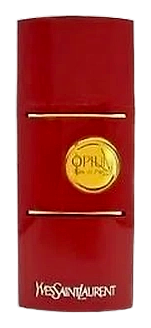
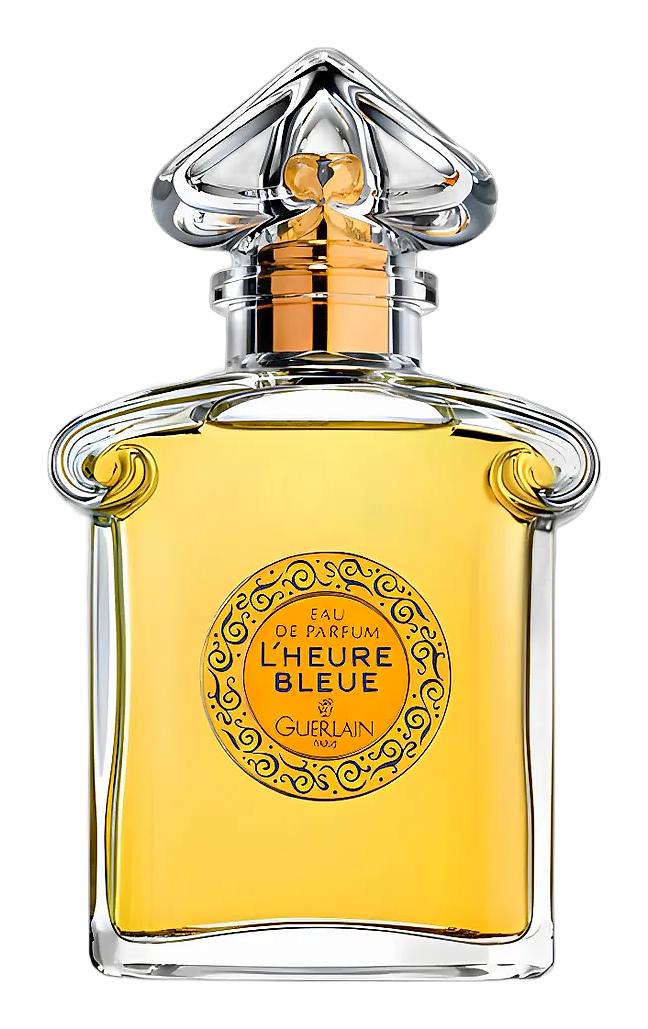
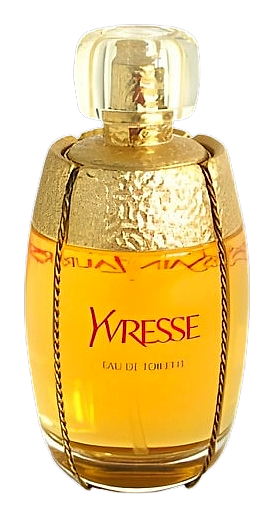
Eau De Murano occupies a specific niche, the discontinued gem that serious fragrance people mention in forums when someone asks about under-the-radar 90s florals. It's been compared to Poison, Femme, and Yvresse, placing it in the company of iconic feminine fragrances from that era. What sets it apart is that powdery violet character, less mainstream than rose or jasmine as a dominant note, and harder to execute well. The fragrance has built a loyal following among enthusiasts who appreciate its distinctive character and still actively seek it out.