
Heritage
A house, in its own words
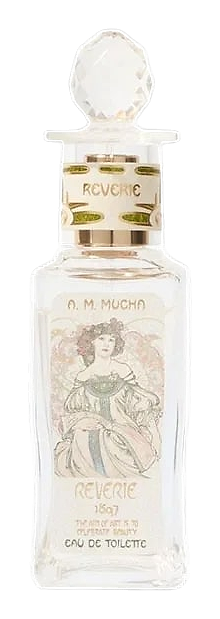
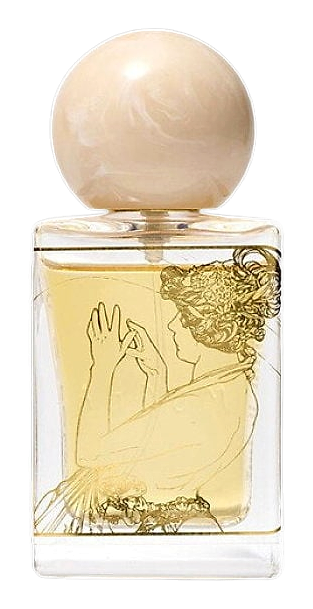
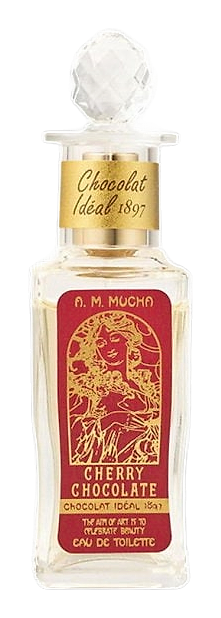
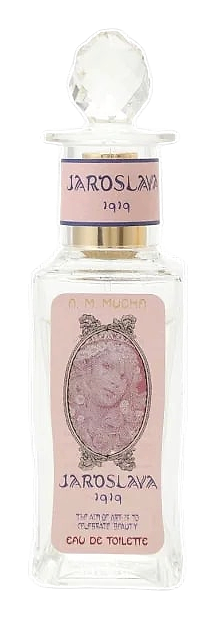
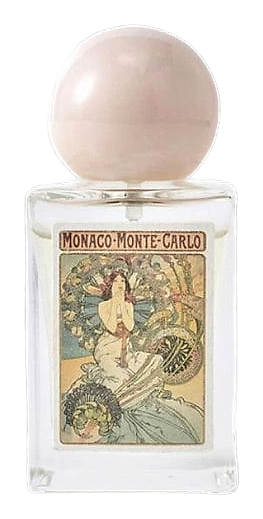
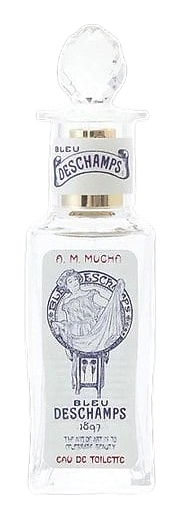
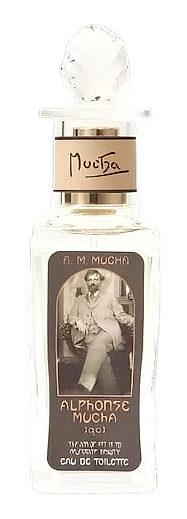
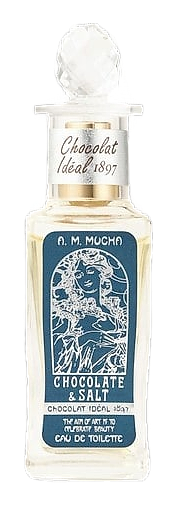
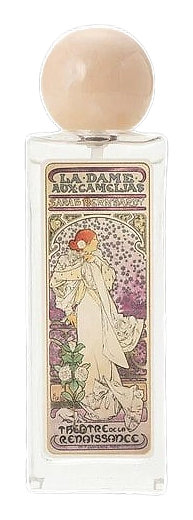
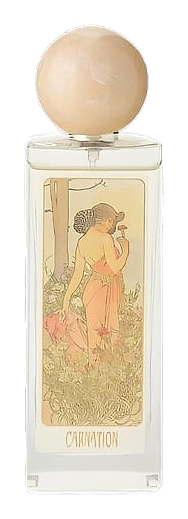
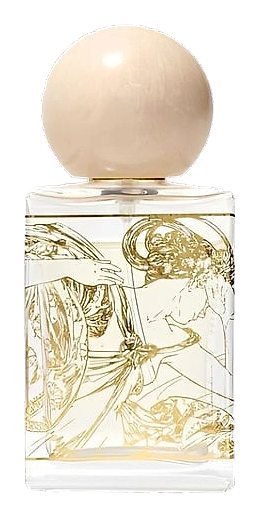
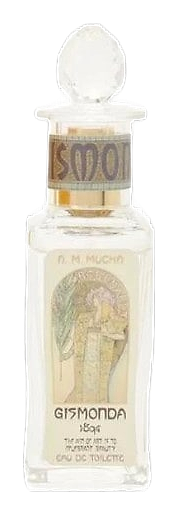
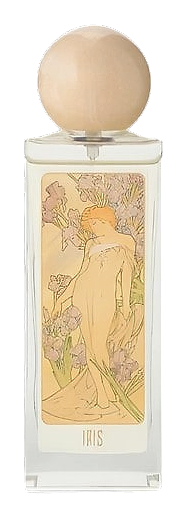
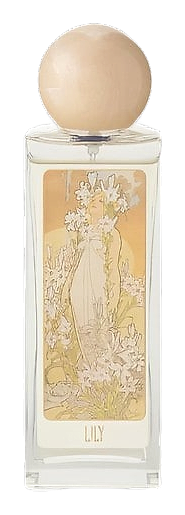
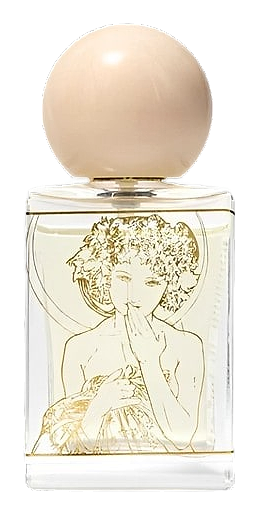
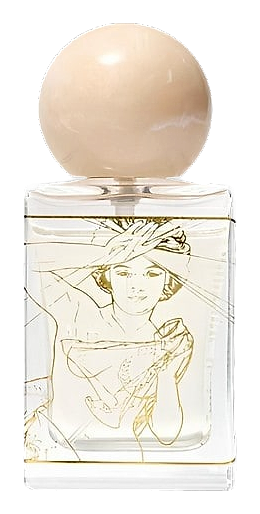
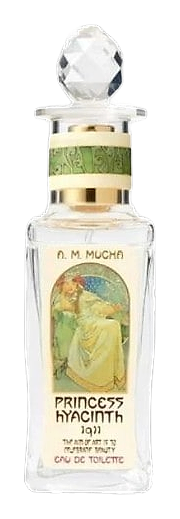
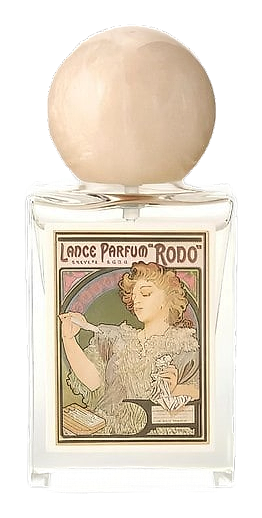
The MUCHA brand traces its origins to the artwork of Alphonse Mucha, a Czech painter and decorative artist who became one of the most recognizable visual voices of the Art Nouveau movement during the 1890s and early 1900s. Mucha's relationship with the fragrance world was established early in his career, when Parisian perfume houses commissioned him to create advertising imagery. He designed promotional artwork for Lance Parfum Rodo, a Parisian perfume house active at the close of the 19th century, and he also produced designs for the House of Houbigant, which was among the exhibitors at the Paris World's Fair in 1900. These commissions placed Mucha's swirling, botanical visual language on some of the era's most prominent scent campaigns, long before any branded line carried his name. The Mucha Foundation, which oversees the artist's archive and legacy, eventually moved to create the first officially authorized fragrance brand carrying his identity. The debut was announced for September 7, with MUCHA positioned as the inaugural licensed label approved by both the foundation and the artist's estate. By launching a dedicated perfume line, the foundation extended Mucha's decorative vocabulary from lithographic posters into the three-dimensional territory of bottles, packaging, and olfactory composition, allowing new audiences to encounter his floral and figurative motifs in a sensory medium he never directly worked in himself. MUCHA's creative direction is rooted in the conviction that Mucha's artwork can function as a starting point for olfactory storytelling rather than as static decoration. Rather than treating the artist's imagery as a label to be reproduced, the brand draws thematic material from his recurring motifs, including camellias, irises, and the stylized female forms that populate his theatrical posters, and translates those visual ideas into scent narratives. The approach treats fragrance as a continuation of Art Nouveau's interest in total sensory environments, where curves, color, and natural forms worked together to create a unified mood. By operating under the Mucha Foundation's authorization, the brand also carries an obligation to protect the integrity of the artist's name, which shapes decisions about which compositions, names, and packaging treatments enter the line. The result is a catalog that aims to read as an extension of the artist's archive rather than as a conventional celebrity or estate tribute, positioning each release in dialogue with specific periods and visual series from his career.