







Heritage
A house, in its own words
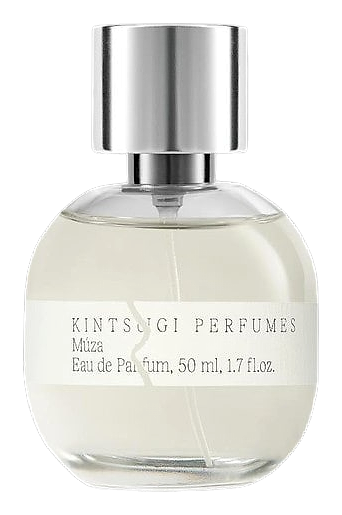
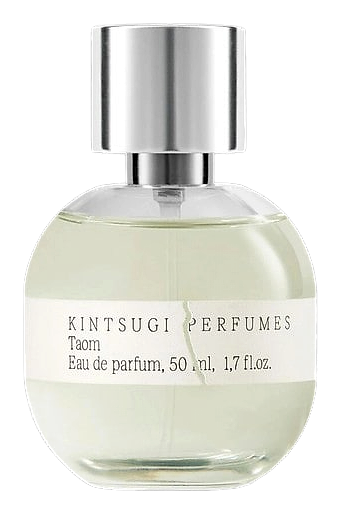
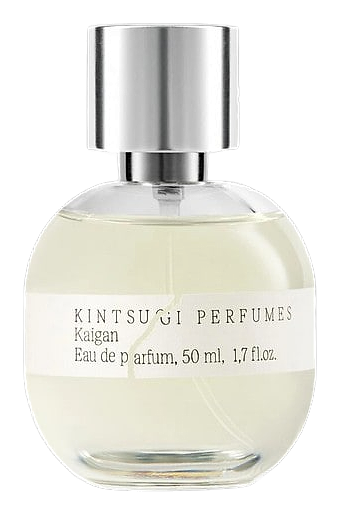
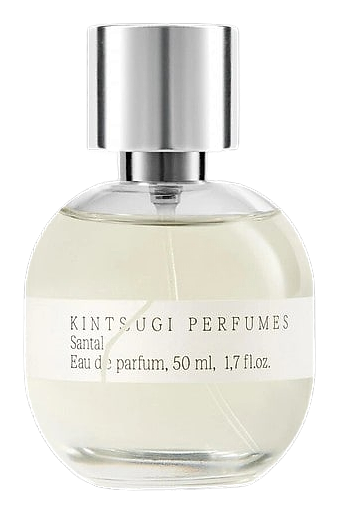
Kintsugi Perfumes emerged in late 2021, a period when many creative ventures faced significant obstacles due to global uncertainty. The founders, Daniel Nikolov and Martin Švach, reportedly chose to launch their perfume house during this challenging time, a decision that aligned with their philosophical commitment to finding beauty and meaning in difficult circumstances. The name selection reflects this deliberate thinking. Kintsugi, the Japanese art of golden joinery, has roots in the fifteenth century when Japanese tea masters began repairing broken tea bowls using gold-filled lacquer, transforming damaged vessels into objects more prized than their unbroken counterparts. The philosophy behind the practice suggests that breakage and repair become part of an object's essential history rather than something to disguise or lament. Nikolov and Švach reportedly connected with this worldview as a framework for their creative endeavor, viewing fragrance as a medium that can honor complexity, impermanence, and transformation. Early releases from the house included several scents that established its aesthetic direction, with names like Deus, Carnal, and Santal signaling an interest in contrasts and layered emotional territory. The brand operates as an independent entity in the niche fragrance landscape, distinguishing itself from larger commercial perfume houses through its conceptual approach and selective distribution. Public interviews and media profiles indicate the founders maintain a direct relationship with their audience, often discussing their creative process and influences through brand communications and independent media appearances. The central philosophy of Kintsugi Perfumes centers on the Japanese concept of kintsugi itself, which translates roughly to golden joinery or golden repair. This principle holds that objects, and by extension experiences or creations, gain value through their history of use, damage, and restoration rather than despite it. The founders apply this thinking to fragrance composition, where the goal is not to create flawless, linear scent experiences but to build perfumes with depth, tension, and emotional complexity. A fractured quality, where different notes coexist in productive tension, may be more interesting than seamless harmony. This approach draws from broader Eastern philosophical traditions that emphasize impermanence, acceptance, and the beauty found in natural cycles of growth and decay. The brand philosophy suggests that wearers engage with their fragrance not as a static accessory but as something that evolves with body chemistry, environment, and time. Rather than seeking to project a fixed identity, the house encourages a more fluid relationship between scent and wearer, where the perfume becomes a companion through different moments and emotional states. Several public-facing statements from the founders indicate they view fragrance as a form of storytelling, where each bottle contains narrative elements that reveal themselves gradually rather than all at once.