The Story
Why it exists.
The beginning
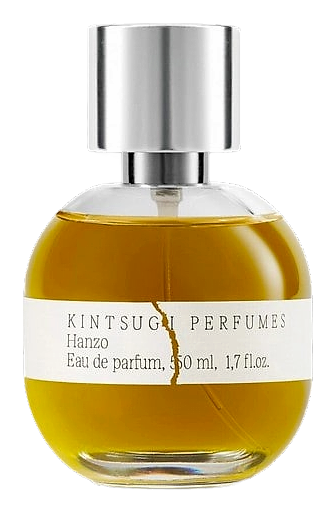
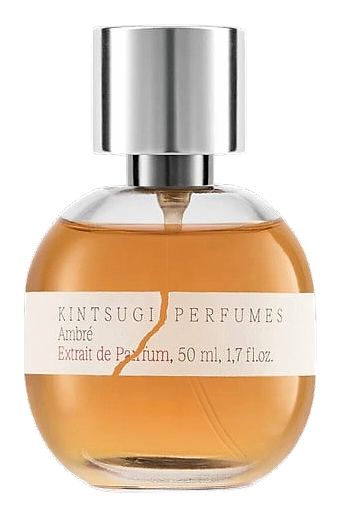
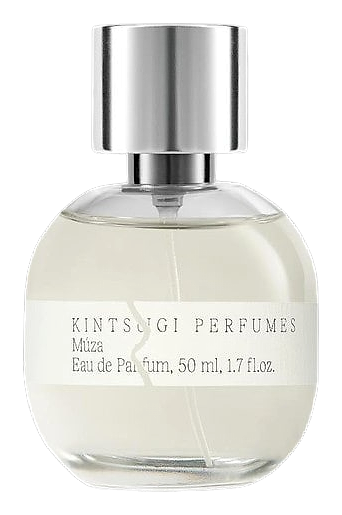
Múza arrives from Martin Švach and Kintsugi Perfumes in 2025, its name carrying weight without needing external explanation. But this isn't about ancient Greece or marble statues. It's about the mirror. The official description speaks to that moment of looking at your own reflection and, for once, not cataloguing what's wrong. Not seeing the imperfections that need fixing. Seeing instead what you've become, shaped by every role you played, every expectation you met. The fragrance takes its name from that internal compass, the one that gets drowned out by searching for meaning everywhere except where it actually lives. Švach built this around a tension: bright fruit and citrus that arrive like an invitation, then woody depth that asks you to stay.
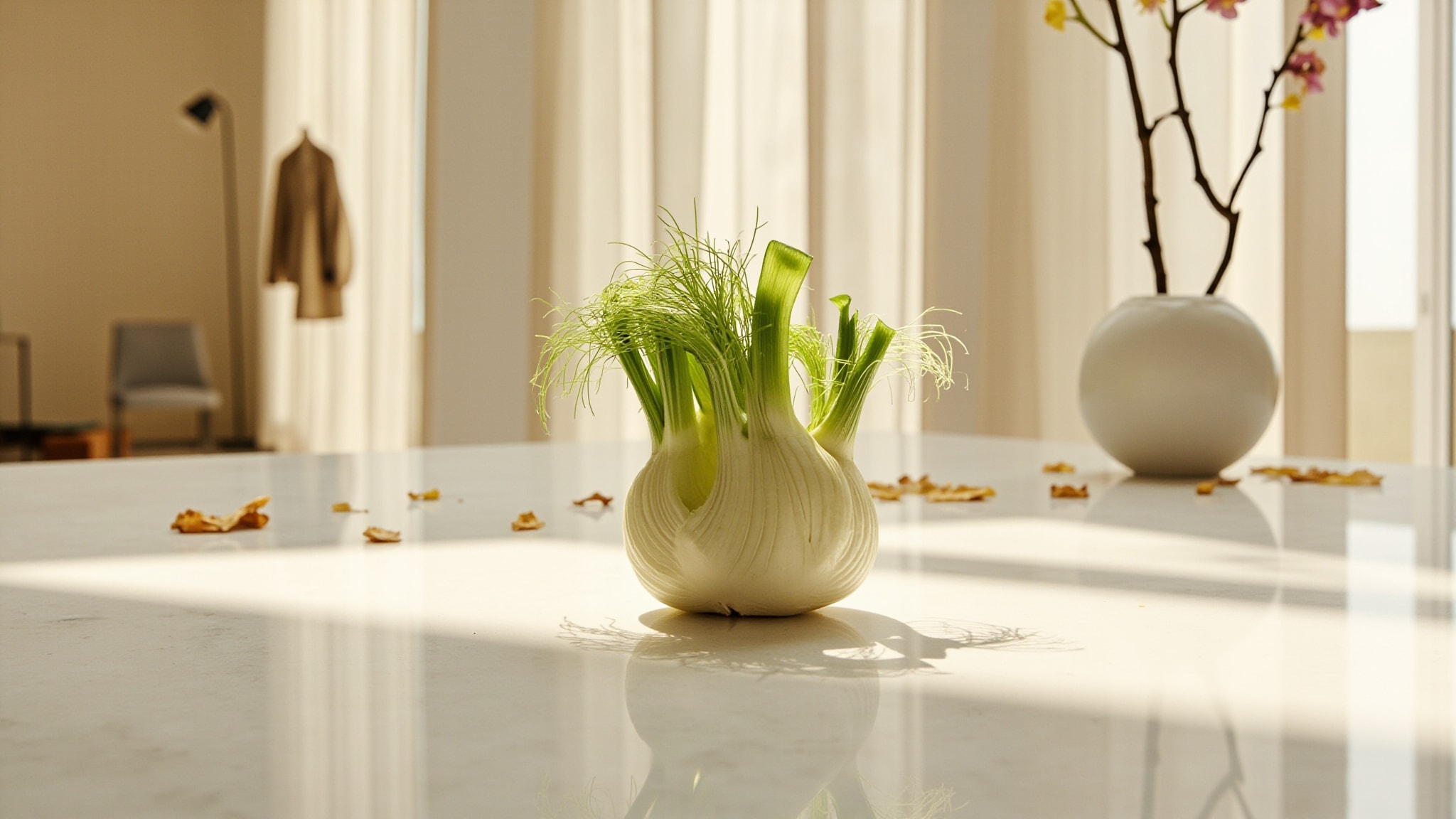
What makes Múza stand apart is the fennel threading through the heart. Aniseed, herbal, slightly medicinal, it shouldn't sit next to juicy peach and warm jasmine tea. The combination reads as accidental or confrontational, depending on your nose. But Švach let it stay. The Palo Santo does similar work in the opening: its smoky, slightly medicinal woodiness keeps the bergamot and peach from becoming just another fruity designer frag. There's a rawness to how these materials coexist, as if the fragrance refuses to sand down its edges into something merely pleasant. The jasmine tea in the heart is where the work happens, it bridges the bright top and the warm base without smoothing anything over.
The evolution
The opening hits bright and immediate, bergamot's citrus flash followed quickly by peach's sweetness. Magnolia leaf keeps it grounded, green, while the Palo Santo adds a whisper of smoke that arrives from the side rather than announcing itself. The fennel begins to assert itself as the composition develops, turning slightly medicinal, almost salty-herbal. It catches some wearers off guard. Others say it saves the fragrance. The jasmine tea and rosewood arrive to soften the fennel without erasing it. This is the heart's work: not replacing the unexpected, but contextualizing it. By the time the base takes over, musk and sandalwood settle close to skin, with amber adding warmth that doesn't project aggressively. The sillage is moderate, this isn't a fragrance that fills a room. It's a fragrance that someone standing beside you will notice and lean toward.
Cultural impact
Múza offers a different kind of statement in a landscape where fruit-forward compositions often trend toward accessibility. Here, the fennel threading through the heart creates a different kind of friction, a choice that generates strong reactions and conversation among those who encounter it. The kintsugi philosophy of finding beauty in fractures translates into a composition that doesn't sand down its edges into universal likability. That restraint reads less as limitation and more as a commitment to something more interesting than marketability, a reminder that fragrance can afford to be itself when it isn't trying to please everyone.