
The Story
Why it exists.
The beginning
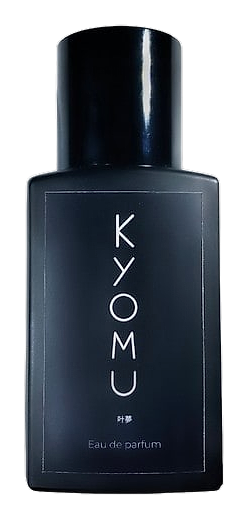
KYOMU takes its name from the Japanese concept of emptiness, not absence, but potential. The idea that form itself is emptiness, and emptiness is form. An open hand, not a closed fist. The perfumer built this scent around that paradox: a fragrance that begins with intensity (saffron's spice, bitter almond's weight) and gradually empties into something quiet and beautiful, settling close to the skin as warmth and sweetness intermingle without loudness. It's about what remains when the noise fades. KYOMU is sweet, warm, floral, and beneath that sweetness, something thoughtful. A fragrance that asks: what if the best part of the scent is what you almost don't notice?
What makes KYOMU work is the refusal to lead with sweetness. Most warm florals open with fruit or sugar, KYOMU opens with an almost savory intensity. The saffron isn't gentle; it arrives with a faint medicinal edge. The bitter almond isn't comforting yet; it's nutty, slightly bitter, with weight. Mandarin orange and bergamot arrive to lift and brighten, but they don't erase the depth. The structure holds. When the florals emerge (Turkish rose, jasmine sambac), they don't compete with the opening, they continue it. Osmanthus adds a plum-like fruitiness that makes the heart feel earned rather than obligatory.
The evolution
KYOMU doesn't unfold in phases so much as it resolves. The opening hits quickly: bitter almond and saffron arrive together, an intense nutty-spicy burst that surprises. Bergamot and mandarin follow within minutes, softening the edges without diluting them. Then the florals arrive, not one by one but as a wave, Turkish rose with its warm honeyed quality, jasmine sambac adding a sweet green undertone, osmanthus bringing a plum-like fruitiness that keeps the heart from feeling too precious. Star anise enters as the heart settles, threading its spiced warmth through the florals. This is the moment that divides opinion. Some find it jarring; others find it essential, the element that keeps the composition from sliding into pure sweetness. The sillage moderates noticeably at this point. Not projection monster territory. More like: intimate enough that someone standing close will definitely notice, but no one across the table will. The base develops slowly, over hours.
Cultural impact
KYOMU doesn't fill rooms, it settles into them. The kind of fragrance that makes people lean closer rather than step back. Community ratings reflect consistent performance and an unusual balance: sweet enough to comfort, warm enough to return to, with enough complexity in the middle notes (particularly the star anise) to reward repeated wearing. It's become a signature scent for those who found it, precisely because it doesn't compete for attention. The discontinued status has only sharpened its appeal among those who track down the last bottles.