The Story
Why it exists.
The beginning
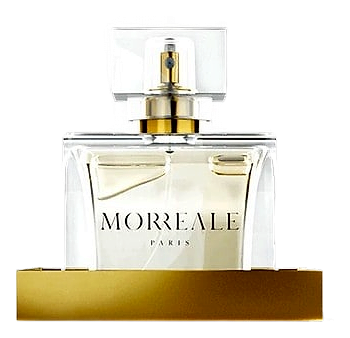
Renaissance is a composition by Morreale Paris, a house whose approach to perfumery treats scent as a vehicle for cultural memory and modern elegance. The fragrance carries a quiet confidence, arriving at a moment when niche perfumery has grown fluent in drawing from art history without becoming costume or pastiche. Jean-Pierre Morreale, founder of the house, brings a sensibility that treats composition as portraiture: a study in proportion, contrast, and presence. The result isn't a period piece. It's an exercise in composed refinement, a celebration of fragrance as a vehicle for the rediscovery of individuality through a composition that feels both classical and current.
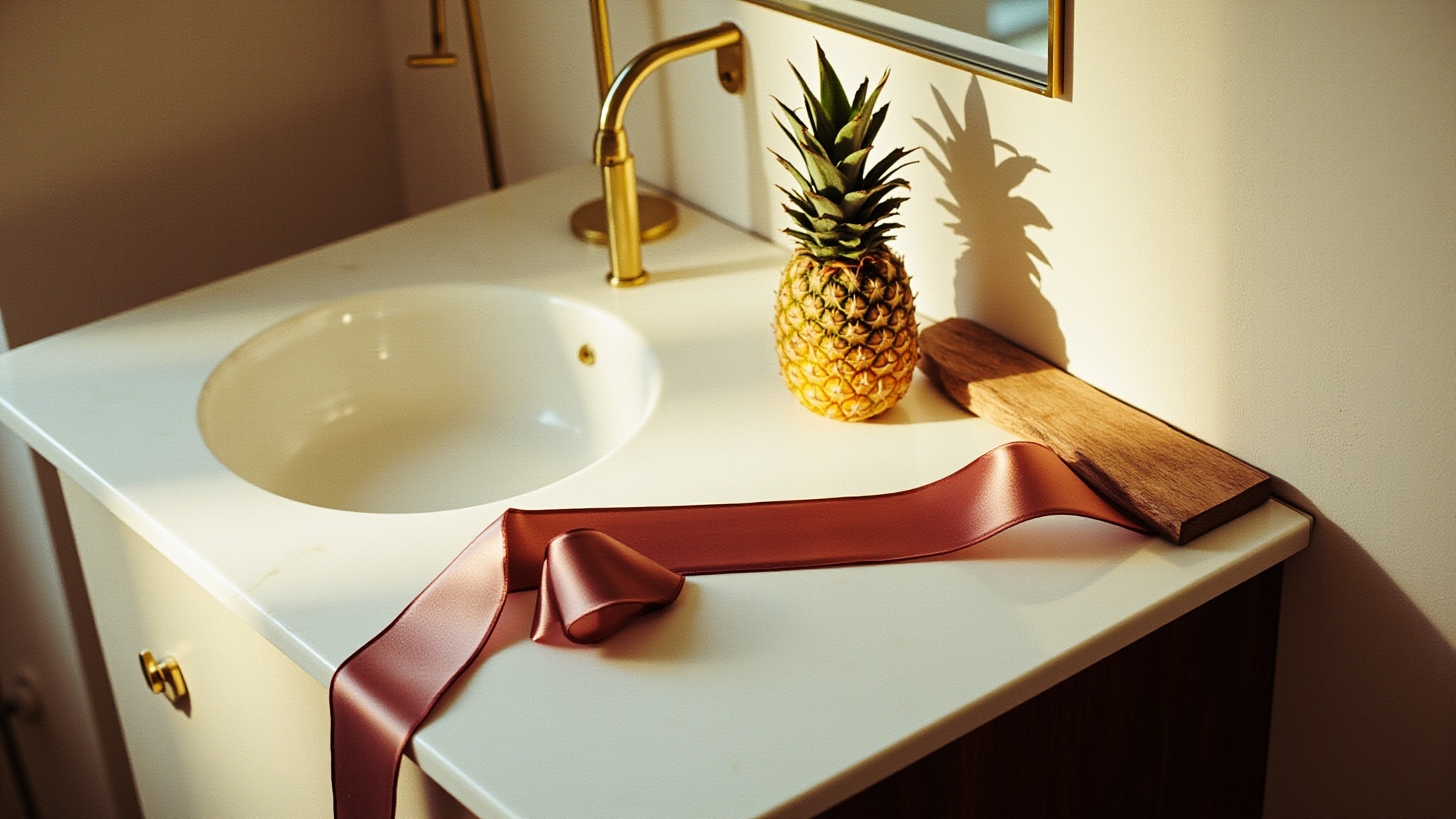
What makes this composition interesting is its deliberate duality. The opening sets a vivid almost architectural tone, with rosewood's woody lift sharpened by lemon's citrus snap and the juicy sweetness of pineapple, while star anise adds its curious, almost metallic edge. Then the heart shifts register entirely. Jasmine brings its indolic warmth and radiance, rose deepens the floral dimension with its velvety petals, and white blossoms add a soft, airy halo around them.
The evolution
The first ten minutes are sharp and bright. Rosewood's grain cuts through cleanly, lifted by lemon's brisk acidity and the tropical sweetness of pineapple cracking at the edges. Star anise weaves through with its cool, slightly herbal whisper, adding a metallic brightness that keeps the opening from leaning too sweet. By the thirty minute mark, the citrus has softened and the heart begins to bloom. Jasmine arrives with its unmistakable indolic warmth, creamy and sunlit, while rose lends its petal-rich depth. White blossoms gather around them like diffuse light, softening every edge. Liquorice hums beneath the florals, a quiet anise sweetness that connects the bloom back to the opening's cool, spiced curiosity. The composition exhales into base. Bourbon vanilla arrives with the rounded warmth of slow-steeped pods, and palisander rosewood adds a creamy, faintly resinous undertone.
Cultural impact
Renaissance arrives at a moment when fragrance lovers are looking past the loudest, most viral launches and searching for compositions with actual architecture. The wearer it speaks to navigates history and modern life with the same ease, someone drawn to composed, considered fragrances rather than trend-driven releases. It occupies a thoughtful pocket of the niche landscape, offering a portrait of classical revival sensibility rendered through a modern lens. Wearers describe it as the scent of quiet confidence, the kind of fragrance that suits a gallery opening or a dinner where you'd rather be remembered than noticed.