
The Story
Why it exists.
The beginning
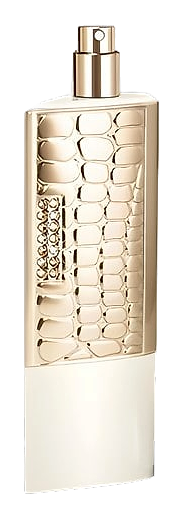
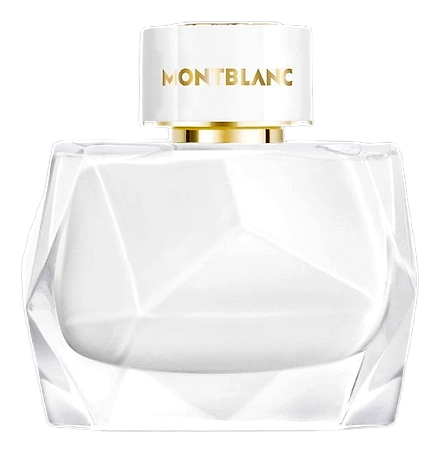
Lady Emblem arrived in 2015 as the deliberate feminine counterpart to Montblanc's 2014 Emblem, the house's answer to the question of what sophisticated femininity smells like. Nicolas Beaulieu built it with the same structural logic as its sibling: a clear opening, a confident heart, a drydown that earns its keep. The difference is in register. Where Emblem speaks in leather and smoke, Lady Emblem speaks in petals and warm wood. It doesn't shout. It confirms.
The rose here isn't the romantic watercolor kind. It's pink rose, bright, almost tart, grounded by Brazilian rosewood in the heart. That pairing is what makes this interesting: the floral isn't allowed to float away into abstraction. Patchouli and sandalwood anchor it, keeping the sweetness from becoming precious. Redcurrant jam in the top gives it a Fruity character that reads as youthful without being juvenile. It's the difference between a woman who knows her worth and one who's still figuring it out.
The evolution
The opening hits with immediate sweetness, redcurrant jam and peach, the kind of bright fruitiness that makes you lean in. Pink rose follows within minutes, but it's not alone. The sandalwood and patchouli are already present, already building the heart. Within 20 minutes, the fruity notes begin to recede and the woody heart takes over. This is where Lady Emblem earns its name. The Brazilian rosewood adds a warmth that feels almost creamy, the patchouli lending earthiness without heaviness. The drydown is where most fragrances fall apart, but here the raspberry and musk combination holds. Soft, close, intimate, it stays within a arm's length for hours.
Cultural impact
Montblanc entered the prestige fragrance market in 2014 with Emblem, positioning itself as a luxury house with design heritage rooted in fine writing instruments. Lady Emblem followed in 2015, extending the line to female consumers who appreciated the brand's understated elegance. The fragrance arrived during a period when fruity-floral scents were experiencing renewed commercial interest, particularly among younger demographics seeking sophisticated options below the designer price ceiling. Montblanc's approach reflected a broader industry trend where heritage brands leveraged their existing brand equity to capture market share in accessible luxury, challenging established players like Burberry and Coach in the mid-tier premium segment.