
The Story
Why it exists.
The beginning
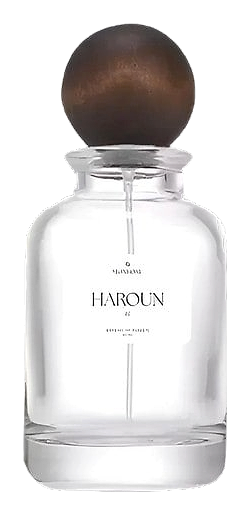
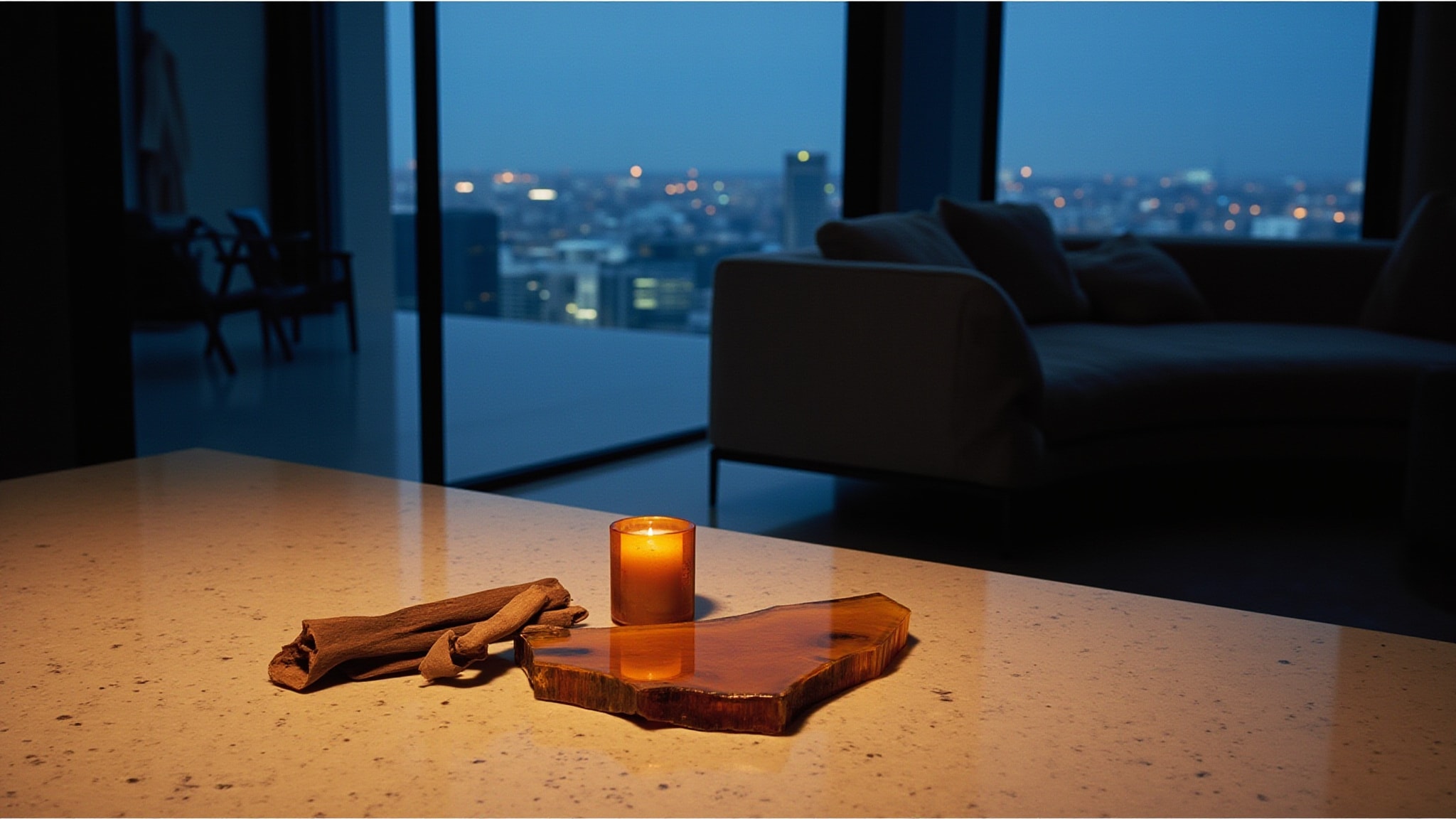
Haroun arrived with Monkoku in 2025, a debut release that set the tone for everything the house would follow. The brand's brief was simple on paper: capture a fleeting feeling and pin it to skin. Haroun's feeling is warmth at the edge of cold. That crackle when the temperature drops and someone hands you something to drink. The sensation of holding heat in your hands while the air bites at everything else around you. Cinnamon leads because it has to lead. It's the loudest personality in the room, and this composition needs someone to claim the first thirty seconds without apology. That opening burn is almost candied at first, bright and immediate, before the other notes begin crowding in. The heart that follows pulls harder.
Haroun skips the heavy hitters most woody-oriental compositions reach for. Its depth comes from labdanum and tobacco instead, which means the sweetness here reads drier and more savory than the category often allows. Cedarwood and vetiver in the base add a structural woodiness that prevents the vanilla and patchouli from going sticky. The frankincense in the heart is doing subtle structural work too, it's what keeps the tobacco from reading like a cigar bar rather than a fragrance. Osmanthus brings the unexpected lift.
The evolution
The first twenty minutes belong entirely to cinnamon. It arrives with a bright, almost candied heat, not harsh, but unmissable. The opening is louder than the fragrance will ever be again, and that's by design. Then the labdanum enters. It brings the burnt-honey resin character that shifts the whole register warmer and slightly darker. Tobacco shows up right behind it, dry and cured-leaf, not smoky-ash. Osmanthus appears almost as a whisper, adding its peachy sweetness to keep the tobacco from going masculine-stereotype. Frankincense threads through, cooling everything just enough so the warmth reads as glow rather than fire. As the composition moves through its middle phase, vanilla and patchouli take the floor, but they're treated gently here. The vanilla stays soft rather than sugary, the patchouli dry rather than earthy.
Cultural impact
Haroun pulls warmth inward rather than broadcasting it. That contrast between the bright cinnamon opening and the softer, closer-to-skin drydown gives the fragrance a distinctive arc. The osmanthus lift keeps it from reading as a straightforward oriental; the tobacco keeps it grounded. The composition works in layers, starting loud and finishing hushed, which makes it versatile across different settings and seasons. The interplay between the sweeter heart notes and the woody, slightly smoky base gives it a complexity that rewards attention.