The Story
Why it exists.
The beginning
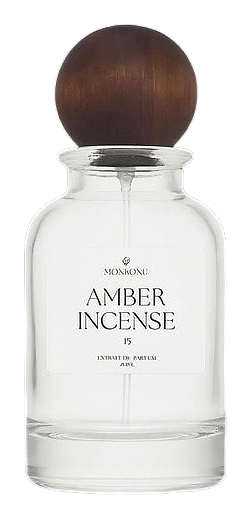
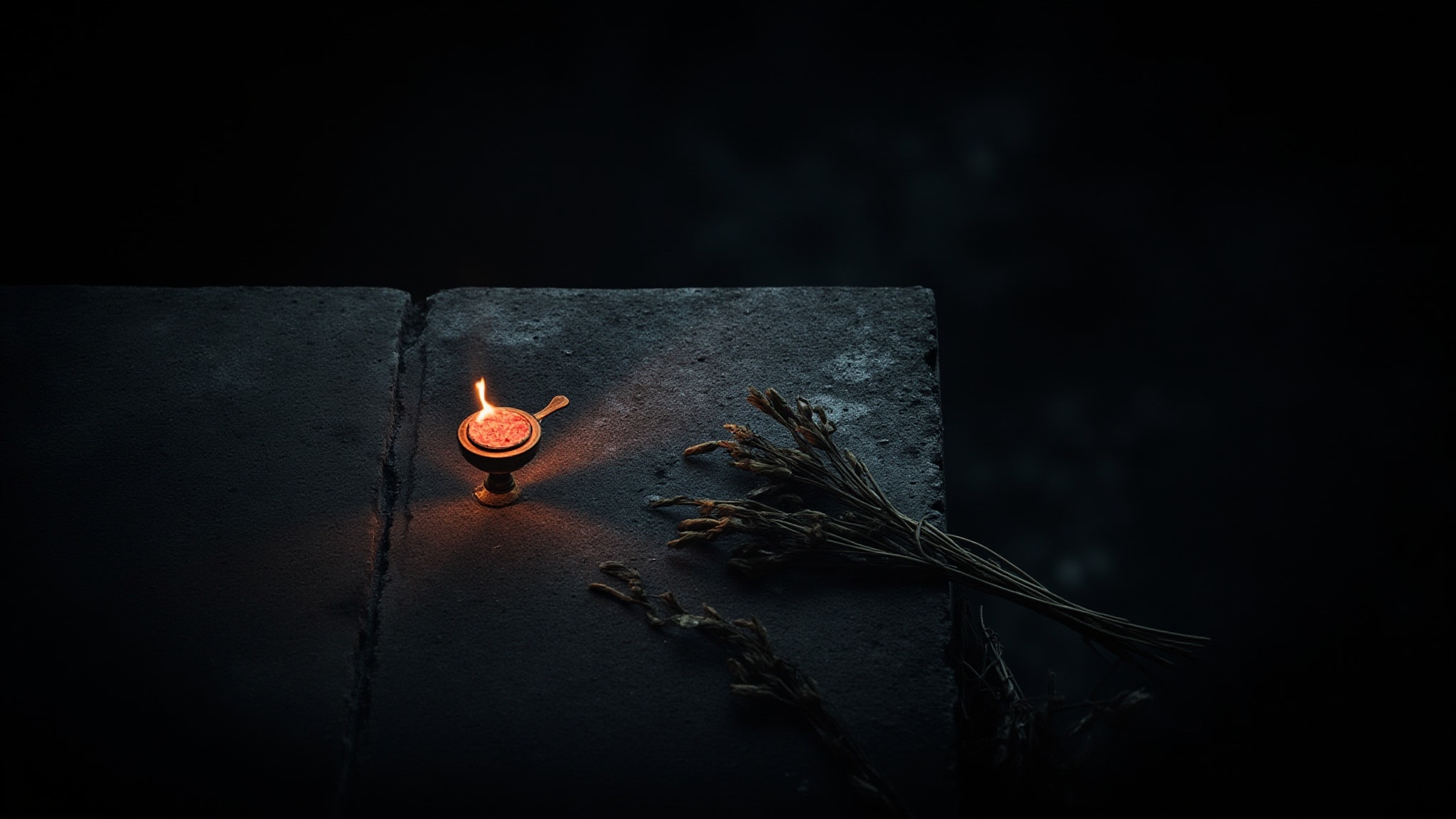
Monkoku built Amber Incense around the idea of ritualistic quiet power, a fragrance that announces itself through presence rather than volume. The brand wanted something that felt like a silent fire lit in darkness, and the perfumer approached this by grounding the composition in aromatic herbs first. Bergamot and oregano were chosen to cut through the sweetness that often dominates amber fragrances, creating tension before the warmth arrives. This tension became the signature of the fragrance.
The note philosophy behind Amber Incense centers on contrast and balance. The opening herbs and citrus exist to make the amber heart more impactful by contrast, while the leather and oud in the base ensure the sweetness never becomes cloying. Each layer serves the composition rather than competing for attention. The fragrance works best when paired with minimal attire, allowing the scent to speak without distraction.
The evolution
The journey begins with bergamot meeting oregano, a combination that feels almost culinary at first but resolves into something more mysterious as allspice weaves through. This opening lasts longer than expected, holding the listener in a moment of sharp anticipation. The heart opens gradually, amber and labdanum softening the herbal edge while frank incense and myrrh add layers of smoky, sacred resin. As the fragrance moves into its final act, leather and oud take command, their dark, smoky character dominating as sandalwood provides a subtle creamy warmth underneath. The progression feels deliberate, each stage arriving in its own time.
Cultural impact
Amber Incense draws on centuries‑old incense rituals from Mediterranean temples, where bergamot and oregano were burned to cleanse spaces. By 2025, Monkoku adapted this heritage for modern perfumery, creating a bridge between ancient spiritual practices and contemporary scent culture. The blend’s resinous heart echoes historic incense routes, inviting wearers to experience a subtle link to past ceremonial moments while remaining firmly rooted in today’s lifestyle contexts, fostering a quiet sense of continuity across time.