
The Story
Why it exists.
The beginning
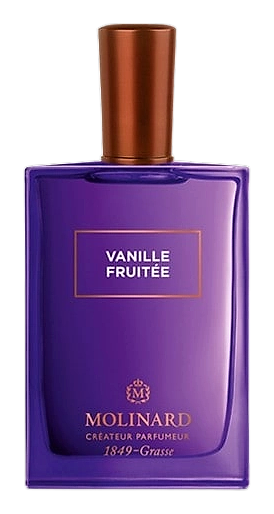
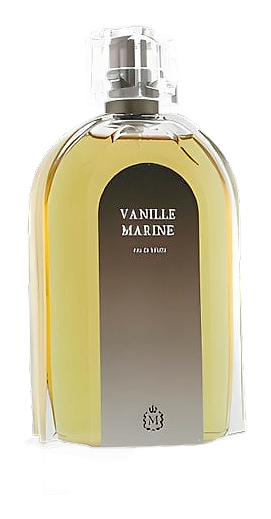
Vanille Marine emerged from Molinard in 1998, a year when sweet gourmand fragrances were establishing themselves as a permanent category, not a passing trend. The brief seems to have been deceptively simple: take vanilla, make it interesting. The answer wasn't more sweetness. It was contrast. Caramel arrived in the top notes to anchor the vanilla in something edible, then clary sage to introduce an herbal coolness that most vanilla fragrances never attempt. The result is a fragrance that smells like comfort but resists being placed.
The marine and moss in the base represent the more ambitious move. Rather than let the composition settle into a predictable amber-vanilla drydown, the formula reaches for something cooler, a briny aquatic quality softened by moss and amber, keeping the sweetness from becoming cloying. It's a small act of restraint that elevates the entire structure. The clary sage, often relegated to supporting roles in aromatic fragrances, does real work here: it bridges the gourmand opening and the aquatic base, making the composition feel intentional rather than accidental.
The evolution
The opening is immediate. Vanilla cream, caramel, and a whisper of clary sage arrive together, sweet without apology. Not sharp, not synthetic. A warm sweetness that sits close to the skin for the first thirty minutes before the herbs begin to push through. Then the composition shifts. The juniper emerges, cool and piney, while jasmine lifts the heart with something almost waxy and floral. The vanilla doesn't disappear, it deepens, becoming more textured as the herbs take hold. By hour two, the marine quality begins to surface, blending with the moss and amber in the base. The sea smell isn't sharp or oceanic in the way some aquatics are, it's softer, like salt on warm skin long after leaving the water. The drydown holds. Amber and moss carry the scent through hours three to six, warm and close, fading slowly into something that remains on fabric into the next morning.
Cultural impact
Vanille Marine arrived in 1998 during a period when Grasse perfume houses were navigating the tension between heritage craftsmanship and market pressure to simplify. Molinard, founded in 1849, held to its quieter register while many houses chased bold oriental statements. The vanilla-caramel gourmand trend was peaking in mainstream perfumery, yet this scent tempered sweetness with marine coolness and clary sage, positioning itself as contemplative rather than indulgent. Its restraint reflected a broader Grasse philosophy: complexity without spectacle.