
The Story
Why it exists.
The beginning
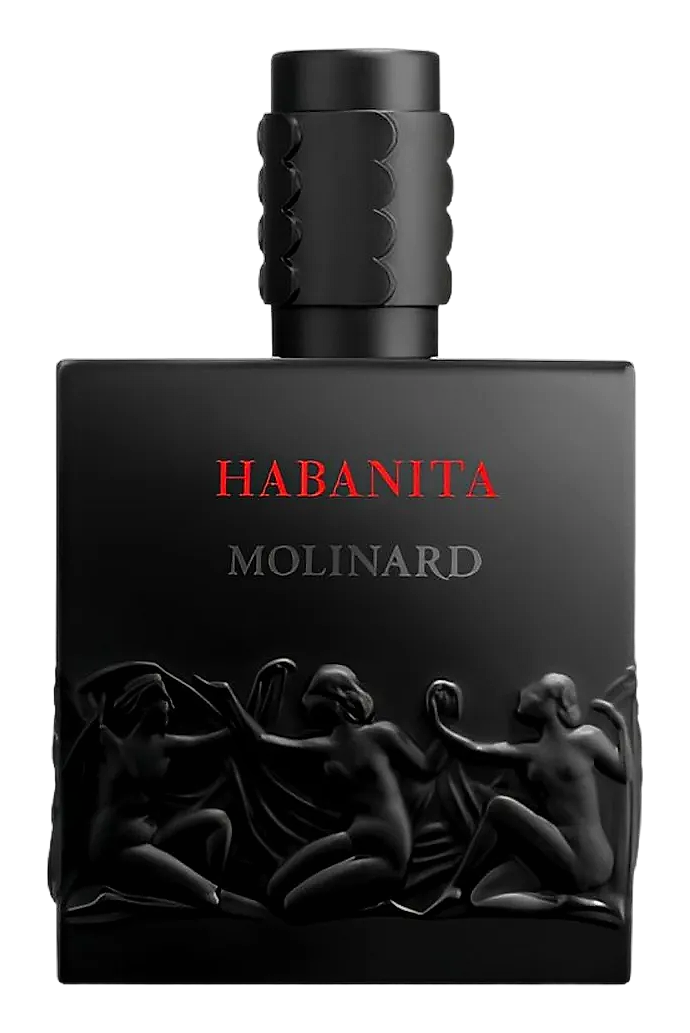
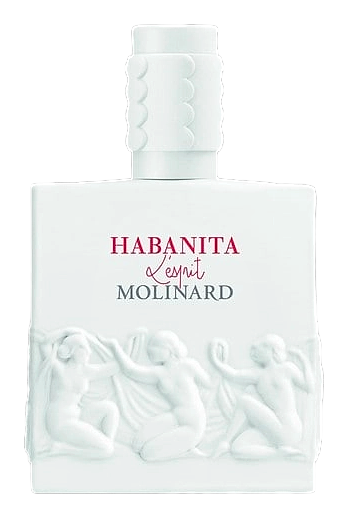
Habanita began as a legendary Molinard creation, a powdery chypre that became something of a signature for those who knew it. By 2013, the house decided it was time for a new chapter, not a replacement, but a reinterpretation for new generations. L'Esprit translates that same skin-close sensibility into something luminous and contemporary, keeping the musky, oriental soul while letting the florals breathe a little wider. It's Habanita tenderly moved forward, carrying the same quiet confidence the original carried when it first landed in Grasse.
What makes this reinterpretation work is the balance between the original's carnation-heavy chypre structure and something softer, more approachable. The yellow florals, mimosa and heliotrope, aren't typically paired in mainstream perfumery; they carry a particular powdery creaminess that most noses recognize from vintage dressers and antique sachets. Combined with French labdanum's warm resin and the understated spice of nutmeg, this composition threads between retro and modern without falling into either camp entirely. It's a careful tightrope walk that few houses attempt, and Molinard's five generations of family stewardship shows in the patience it takes to get it right.
The evolution
The opening announces itself quickly, lemon bright against warm labdanum resin, nutmeg adding a quiet warmth that prevents the citrus from standing too tall. Within the first twenty minutes, the florals arrive. Heliotrope pulls the composition downward, soft and powdery, while mimosa adds a yellow, almost honeyed quality that rounds everything out. Rose is the quietest player here, present but never demanding, holding space without taking over. By the third hour, the base takes over. Benzoin delivers a vanilla-adjacent warmth without sweetness, patchouli brings earth and depth, vetiver adds a quiet woodiness, and musk stays close to skin, just warm and animal and present. The drydown on fabric is the payoff: resin and powder, a ghost of yellow flowers, the kind of scent that lingers in a closet for days. On skin, expect eight to ten hours comfortably.
Cultural impact
Released in 2013, L'Esprit arrived at a moment when niche and artisan fragrance houses were gaining ground against designer brands. Molinard's positioning, heritage French house, family-owned, patient craft, resonated with a growing audience seeking something beyond mass-market offerings. The fragrance draws comparisons to Narciso Rodriguez's For Her (2003), a benchmark in musky, powdery feminine fragrance, suggesting L'Esprit occupies similar territory with its own French heritage twist. Wearers gravitate toward it for its restraint: a fragrance that doesn't perform but endures.