The Story
Why it exists.
The beginning
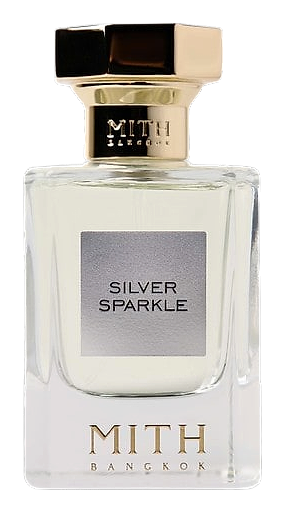
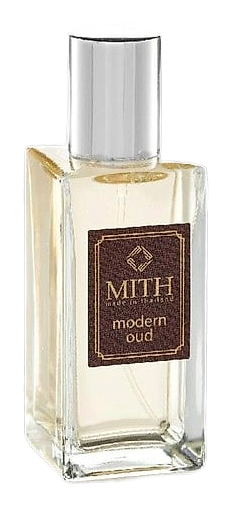
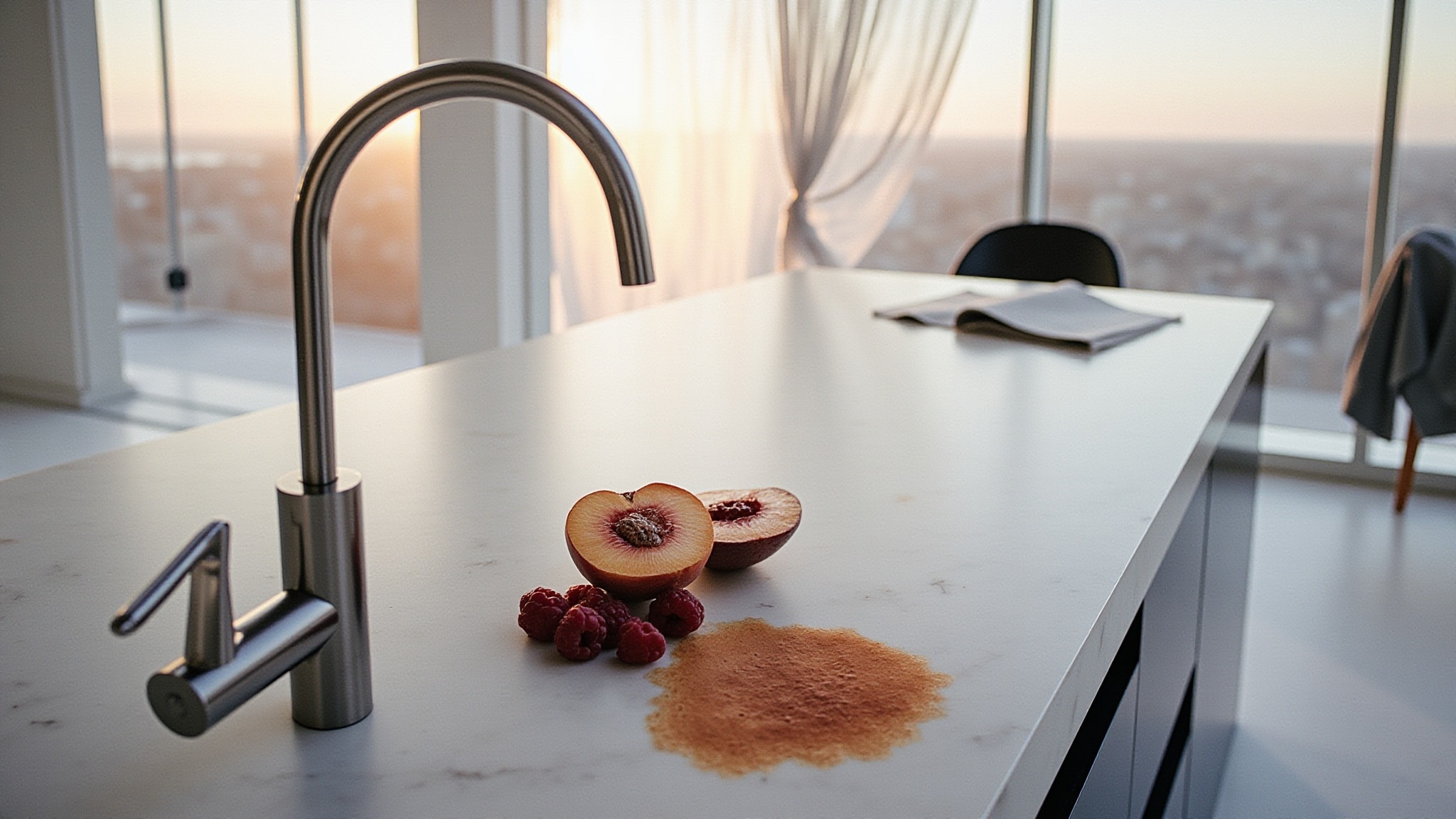
Modern Oud comes from MITH, a house that builds compositions around individual notes rather than relying on simple signatures. The fruit-and-oud pairing here sets the tone for everything that follows: peach and raspberry up top, red thyme and olibanum at the heart, then agarwood, patchouli, amber and vanilla underneath. The fruit opens bright and almost edible, the thyme pulls the composition sideways into greener, more herbal territory, and the olibanum adds a resinous hush before the base settles in. What lands on skin is a collision of orchard and temple that shouldn't work on paper but does on skin. The agarwood arrives underneath everything else rather than dominating the top, giving the composition a grounded warmth without the smoky intensity that oud often carries.
The unusual move here is letting fruit lead the opening before oud enters, rather than the reverse. Raspberry and peach arrive first, bright and almost confectionary, and the agarwood has to earn its place underneath them. The red thyme in the heart is the hinge. It keeps the fruit from reading as dessert and pushes the composition toward something herbal, almost savory, before the woods take over. The thyme brings a green, slightly sharp quality that contrasts the rounded sweetness of the fruit without clashing with it.
The evolution
The first ten minutes belong entirely to the fruit. Raspberry runs ahead, tart and jammy, with peach rounding out the edges like sunlight behind a curtain. Then the red thyme shows up, green and slightly sharp, and the whole composition pivots. The frankincense softens the thyme's edge while pulling everything into something meditative. The fruit eventually dissolves into the base as the agarwood rises. The oud takes over, but it's a warm oud, not a smoky one, lifted by amber and grounded by patchouli. Vanilla threads through the final hours, close to skin. The drydown stays close rather than projecting wide, and the patchouli gives the base a faintly earthy undertone that anchors the sweetness. The agarwood reads more woody than animalic, more about warmth and texture than the barnyard or medicinal notes oud sometimes carries.
Cultural impact
Modern Oud sits in an interesting spot as a fragrance that takes one of perfumery's most tradition-heavy materials and gives it a fruit-forward opening that the category rarely sees. The sweetness up top gives way to something deeper and more resinous as the hours pass, and the final impression is warmer and softer than most oud compositions tend to deliver. It's the kind of fragrance for someone who wants oud without the ceremony, sweetness without the sugar crash, and a composition that moves between seasons without losing its shape.