The Story
Why it exists.
The beginning
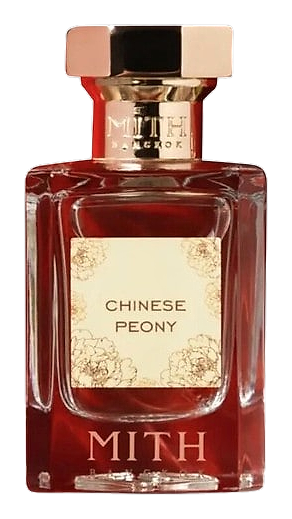
Peony is one of those florals people recognize but rarely think about, it lives in wedding centerpieces and garden borders, not perfume conversations. Emilie Bevierre-Coppermann wanted to change that. Working with MITH in 2024, she built Chinese Peony around a simple premise: make people stop and ask what they're smelling. The lemon and black pepper opening isn't decorative, it's a challenge. The peony that follows is the answer.
The peony carries weight in Chinese culture, prosperity, honor, the kind of beauty that's been celebrated for centuries. Rather than leaning into nostalgia, Bevierre-Coppermann updated the concept. Blackcurrant and raspberry bring a tartness that modernizes the floral. Cedar and sandalwood ground it. This isn't a heritage recreation, it's a contemporary take on something ancient, made for someone who wants peony without the usual sweetness.
The evolution
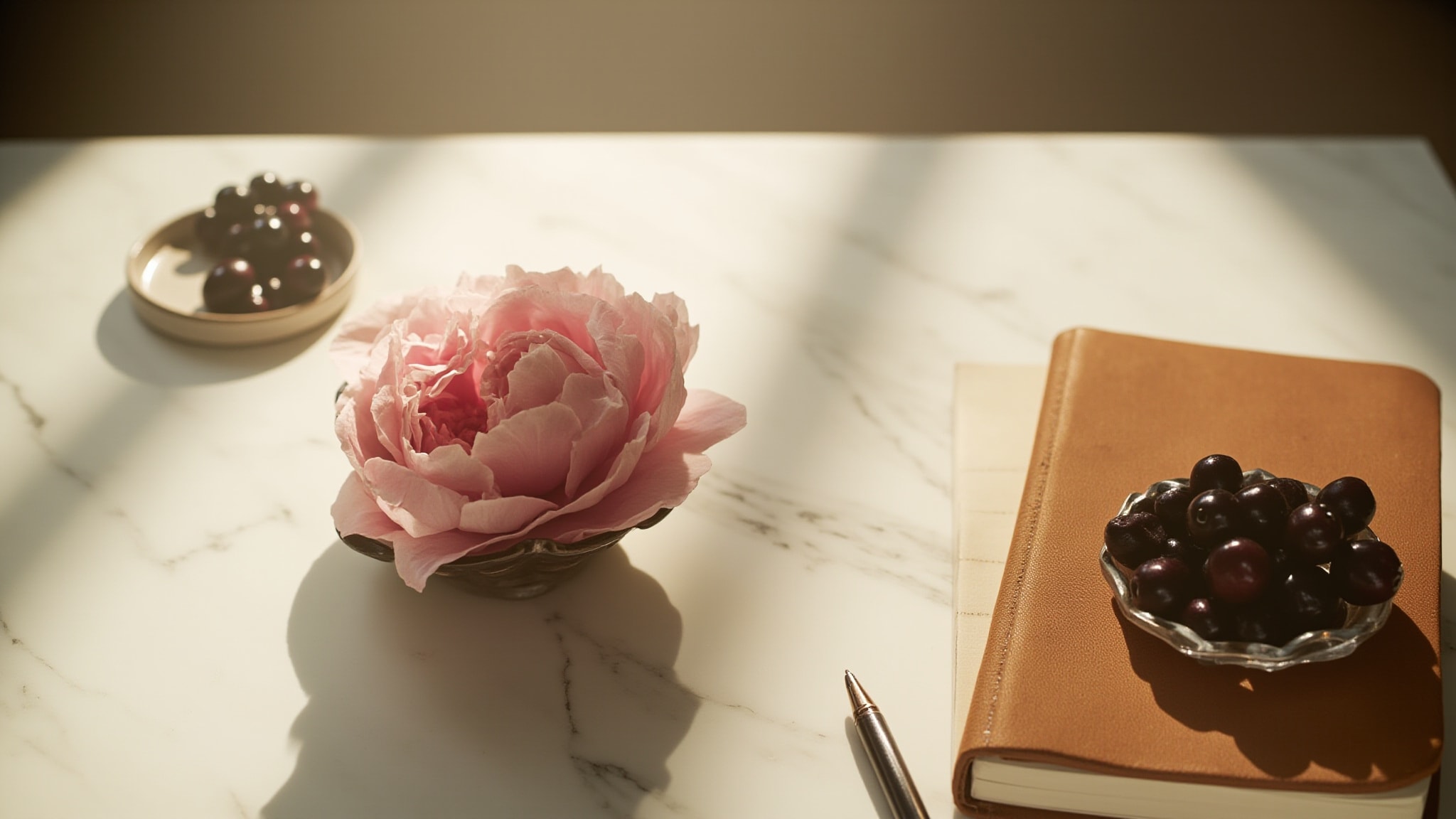
The opening arrives quick, blackcurrant and raspberry tumbling against a lemon squeeze, sharp enough to grab attention. Black pepper lingers in the background, not dominant but present. Within twenty minutes the florals take over. Peony rises slowly through rose and lily of the valley, the brightness of the opening softening into something rounder. The berry notes don't disappear, they become part of the florals, sweetening without cloying. By hour two, cedar and sandalwood have settled. The peony recedes. What's left is warm, woody, and close to the skin, intimate in the best way. Lasts into the evening.
Cultural impact
Since its 2024 launch, Chinese Peony has found its audience among fragrance lovers who want peony without the expected sweetness. MITH positions it as an entry point to their broader vision, intimate, memory-driven scent rather than performative luxury. The composition appeals to those who appreciate restraint over projection, a growing segment in contemporary fragrance.