The Story
Why it exists.
The beginning
Candy Candy landed in 2024, composed by Louise Turner for MITH, a Thai house built on the idea that fragrance should feel like a memory you've worn before. The name carries weight in Southeast Asia: it's the title of a beloved manga and anime from the 1970s, a story about a girl who refuses to stop reaching for what she wants. MITH took that energy, uncomplicated, earnest, a little stubborn, and translated it into scent. The brief wasn't a flavor pyramid. It was a feeling: the sweetness you remember wanting, before you knew it would cost something.
What makes Candy Candy interesting is the tension between its synthetic-gourmand backbone and its floral architecture. Sugar and vanilla sit low, providing warmth rather than syrup. Patchouli threads through to prevent floatiness. But honeysuckle and jasmine, those are the real characters. They give the sweetness a creaminess that keeps it from smelling like a candle. Red fruits add a brief juiciness at the top, then recede. It's composed like a memory: you remember the sweetness, but the details are softer, harder to pin down.
The evolution
The opening is immediate: bergamot and mandarin orange, bright and citrusy without sharpness. Those top notes last maybe 15 minutes before the florals take over. Honeysuckle and jasmine arrive together, their nectar quality softened by rose, not a green rose, but a pink one, the kind that smells like cream. Red fruits appear and vanish quickly, a fleeting sweetness in the middle. An hour in, the florals begin to fade and the base notes claim the composition. Sugar and vanilla become the foreground. Patchouli lingers beneath, adding a slight earthiness that prevents the drydown from becoming too soft. The final hours belong to musk, clean, skin-close, warm. That's where Candy Candy lives: not on the air, but on skin.
Cultural impact
The 2024 release arrived in a landscape crowded with safe fruity-florals and linear gourmands. Candy Candy's positioning, sweet but composed, synthetic-gourmand with white floral architecture, carved a specific niche: fragrance for people who want the appeal of sweetness without the performative weight. The community response has been divided on the synthetic gourmand character. Those new to niche fragrances find the sugar-vanilla base approachable; those expecting natural materials notice the constructed quality. It's a fragrance that asks you to meet it halfway.
The House
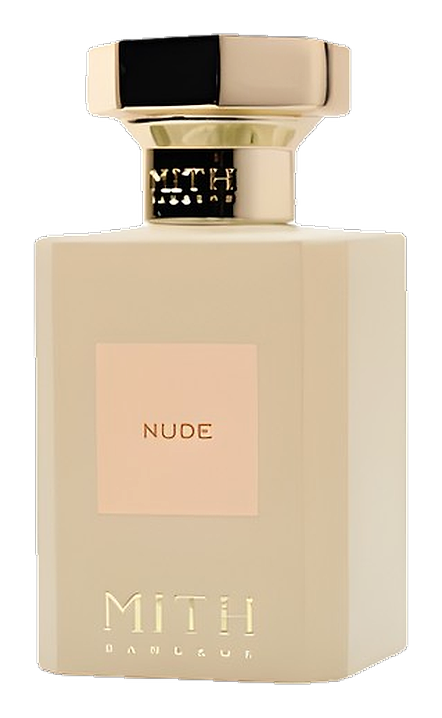
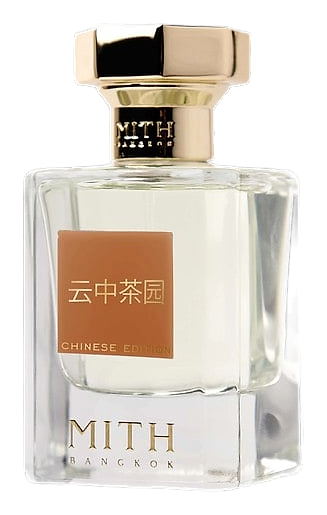
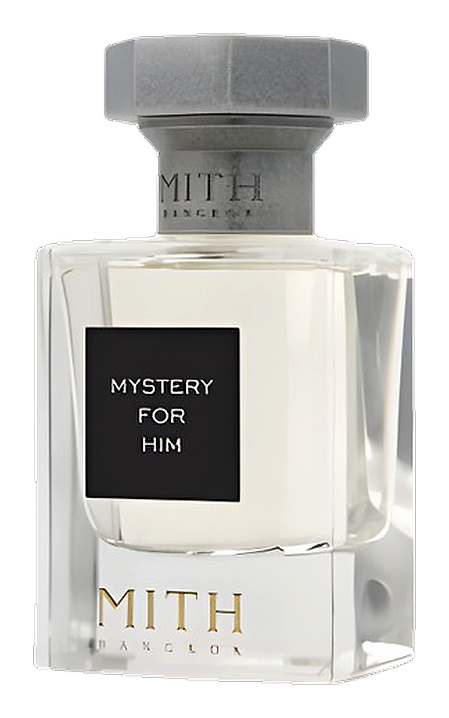
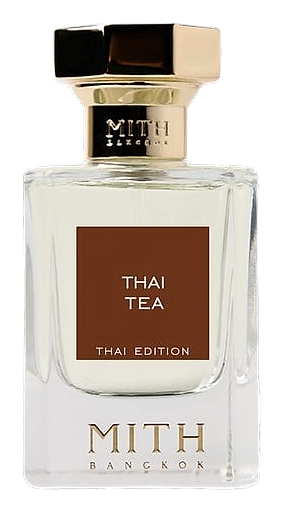
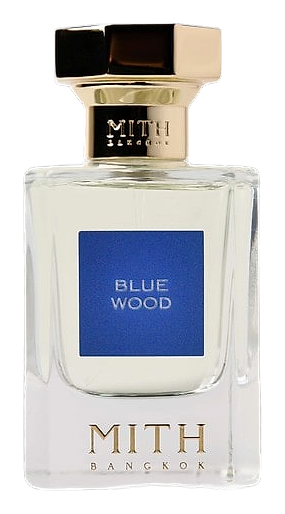
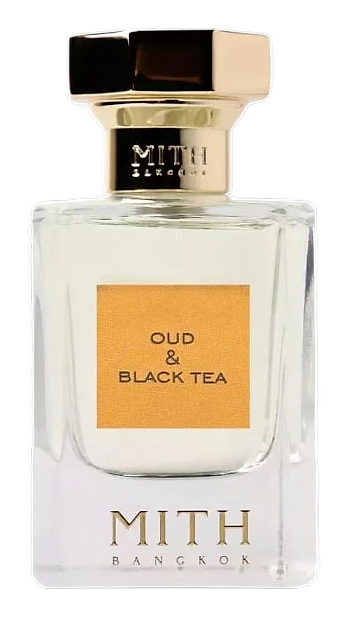
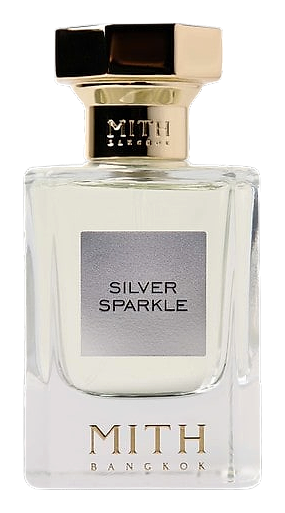
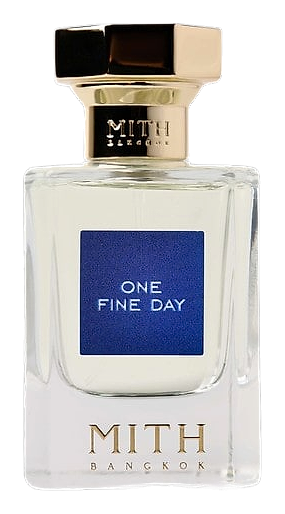
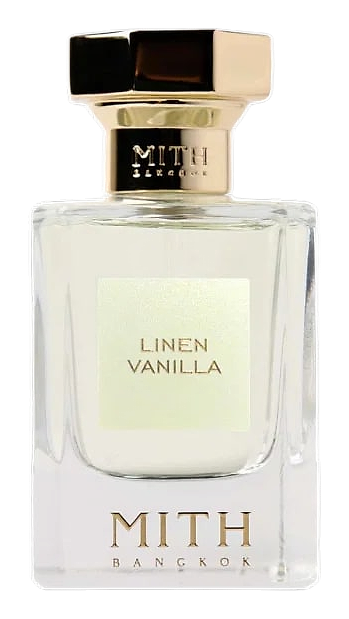
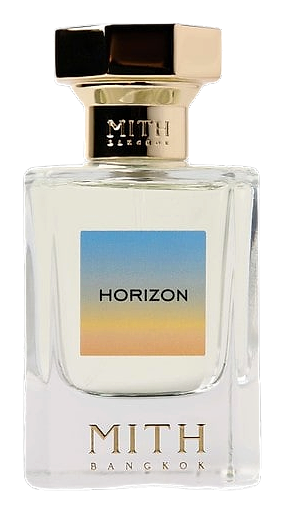
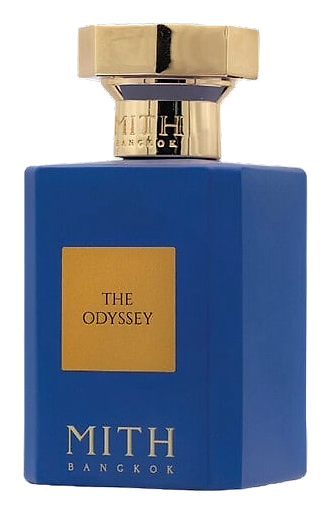
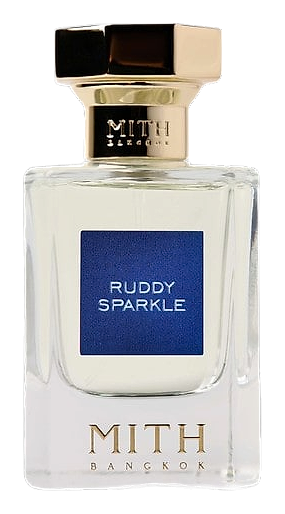
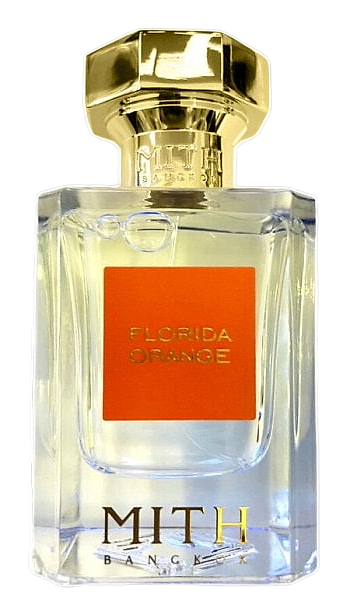
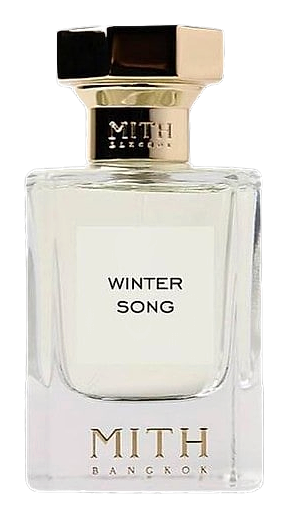
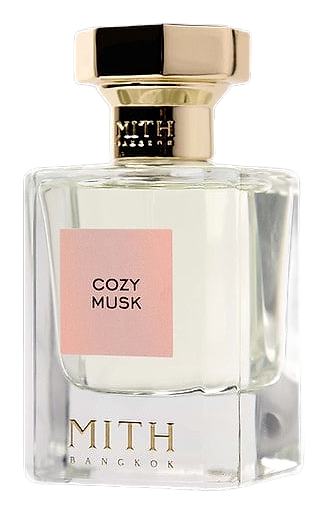
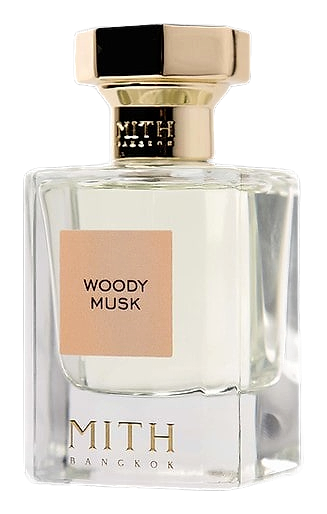
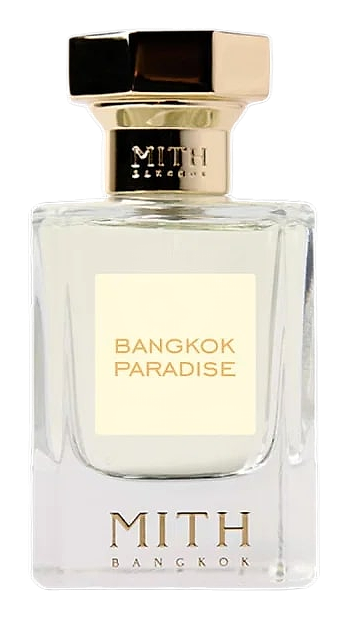
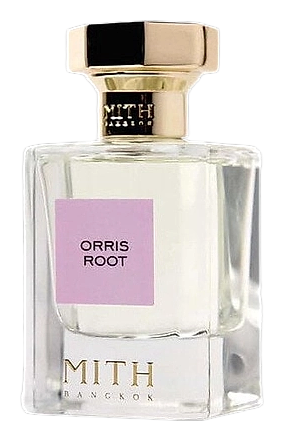
MithMITH is a Thai niche perfume house that blends modern perfumery with personal memory. The brand, whose name doubles as the acronym Made in Thailand, creates skin‑close scents that aim to celebrate everyday moments rather than mask them. Its catalogue includes fragrances such as Mantra (2025), Blue Wood Fresh (2024) and the recent Odyssey (2024), each positioned as an intimate olfactory vignette. MITH works with internationally recognised perfumers while keeping production rooted in Bangkok, offering a distinct voice in the global niche market.
The Creator
Louise TurnerTurner's style is hard to pin down to a single descriptor, but there are some common threads. She often plays with contrasting elements, juxtaposing sweet and spicy, floral and woody, or fresh and gourmand notes.