The Story
Why it exists.
The beginning
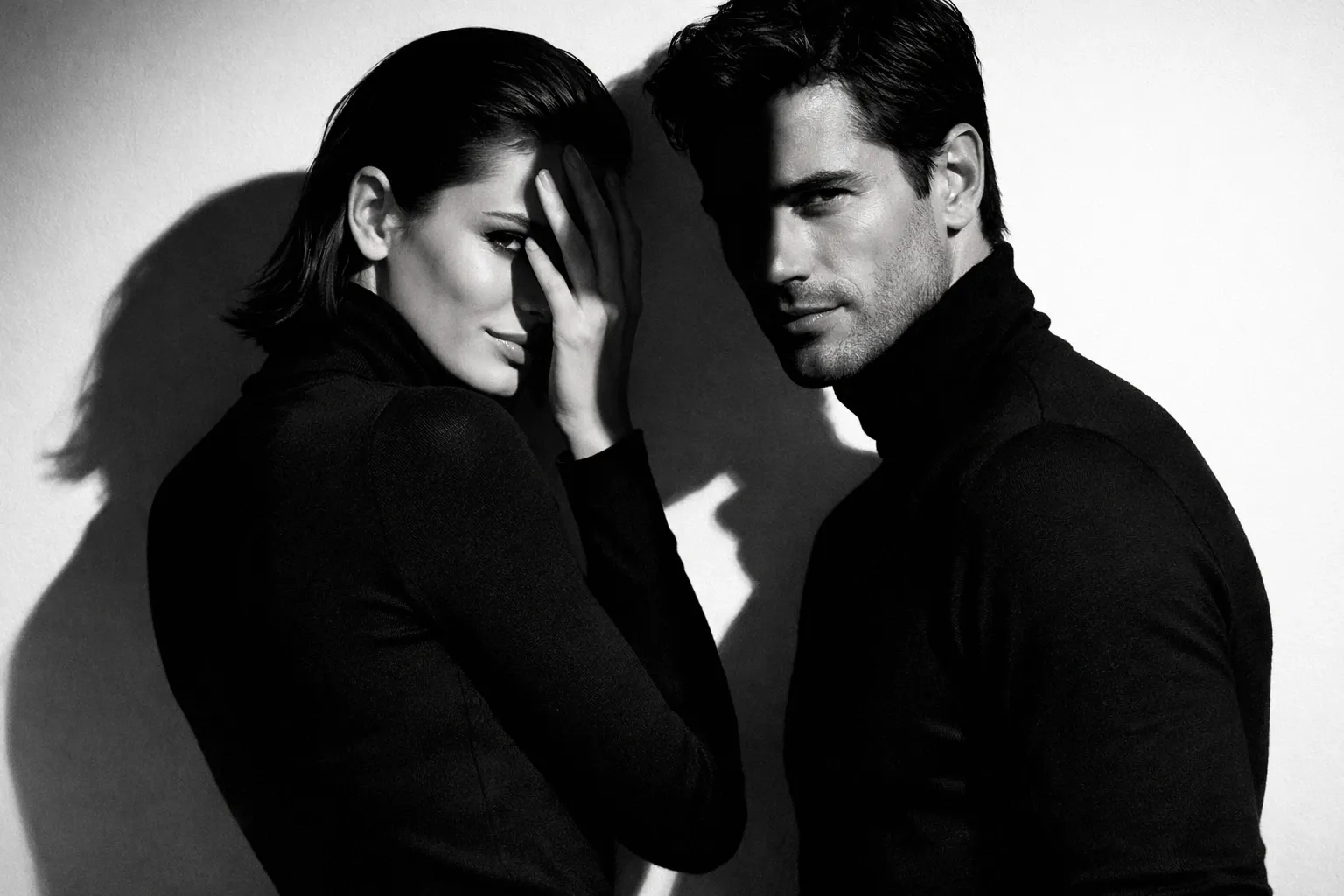
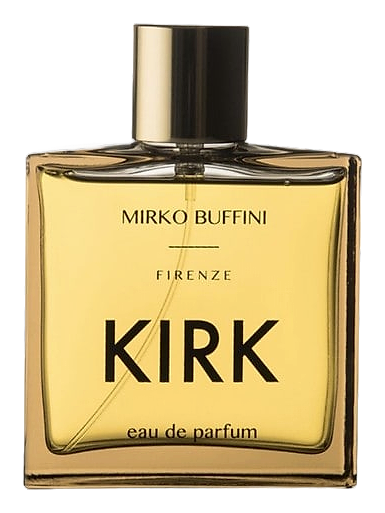
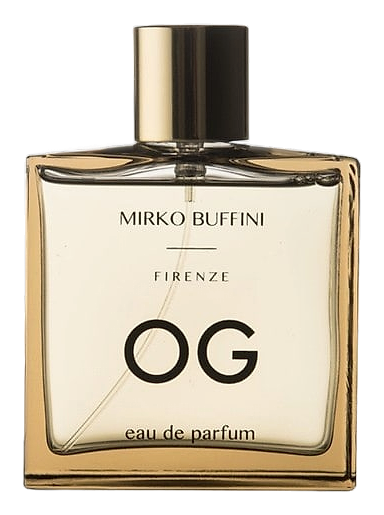
Og is named for the central figure of Samuel Beckett's 1965 short film, the character OG, watched by an unrelenting camera eye he eventually discovers is his own. Mirko Buffini composed the fragrance around that idea: the desire to be perceived, to remain in memory, to transmit a sense of self that lingers. The scent leans into that cinematic tension: a face turned toward the lens, a question hanging in the incense-heavy air. There's a smoky gravity to the opening, the kind of charged stillness that precedes a slow zoom, and it carries through the wear with the patience of a held shot. The incense threads never fully lift, even as the leather and oud take over the middle act, giving the whole composition a meditative weight.
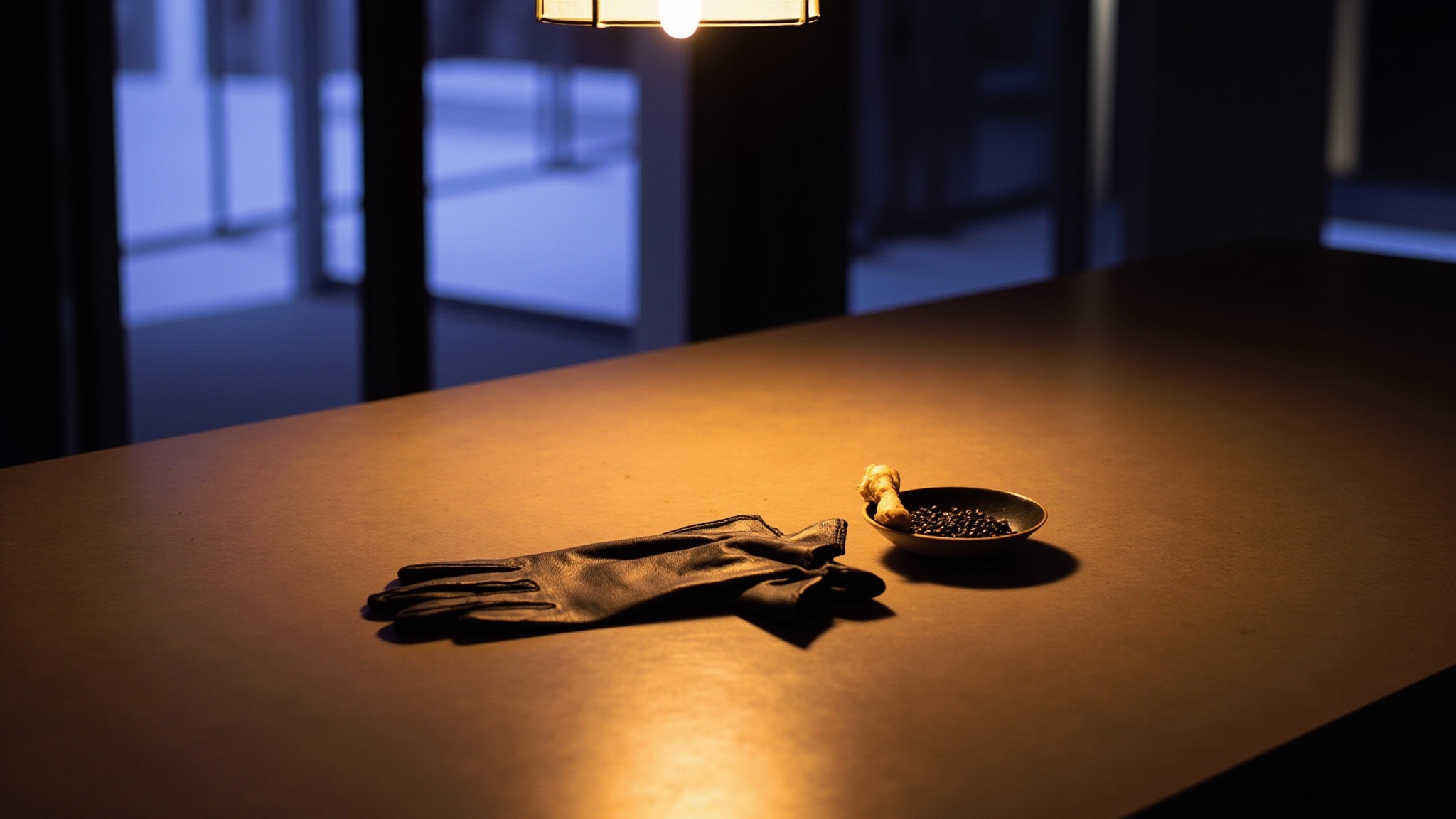
What makes Og unusual within its category is how the oud behaves. Rather than reading as a full Middle Eastern composition, the agarwood here folds into western leather and violet, softening its medicinal edge without losing its depth. The frankincense carries it, smoky and resinous, while the ginger and black pepper keep things sharp at the top. It's a bridge structure, oud meeting leather where the two traditions usually stay on opposite sides of the room. Buffini treats the agarwood less as an exotic headline and more as a darkening agent, something that gives the leather accord its long, smoldering finish.
The evolution
The first ten minutes hit with ginger's clean heat and a bite of black pepper, almost like the cold rush before a match strikes. Violet creeps in alongside frankincense, powdery and atmospheric, shifting the whole thing from spice cabinet to incense chamber. Around the thirty-minute mark the leather arrives, and it doesn't tiptoe. It settles across the chest, close and warm, with the oud threading underneath like a darker current. As the composition moves past its opening salvo, the spice recedes gradually, giving way to that deeper leather-oud murmur, slightly sweet in a way that surprises, with violet still faintly present in the fabric. The projection softens considerably after the first hour, pulling closer to the skin without disappearing entirely, and the sillage leaves a soft halo rather than a trail.
Cultural impact
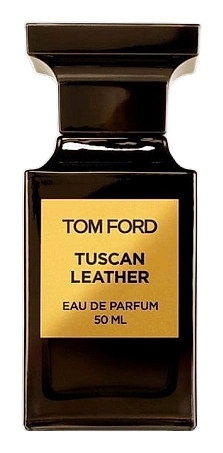
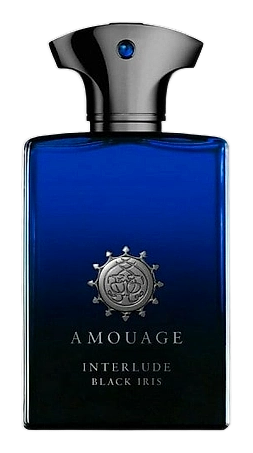
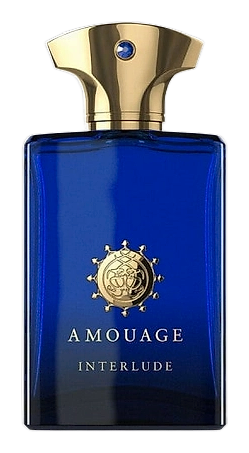
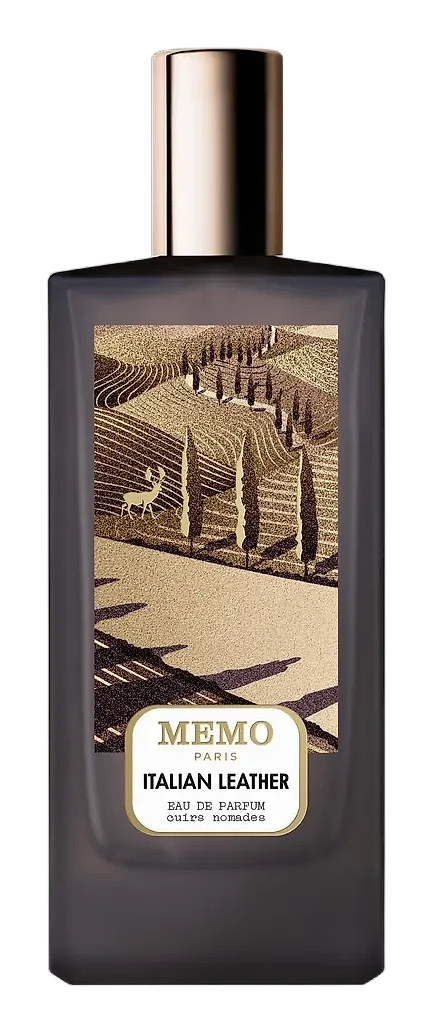
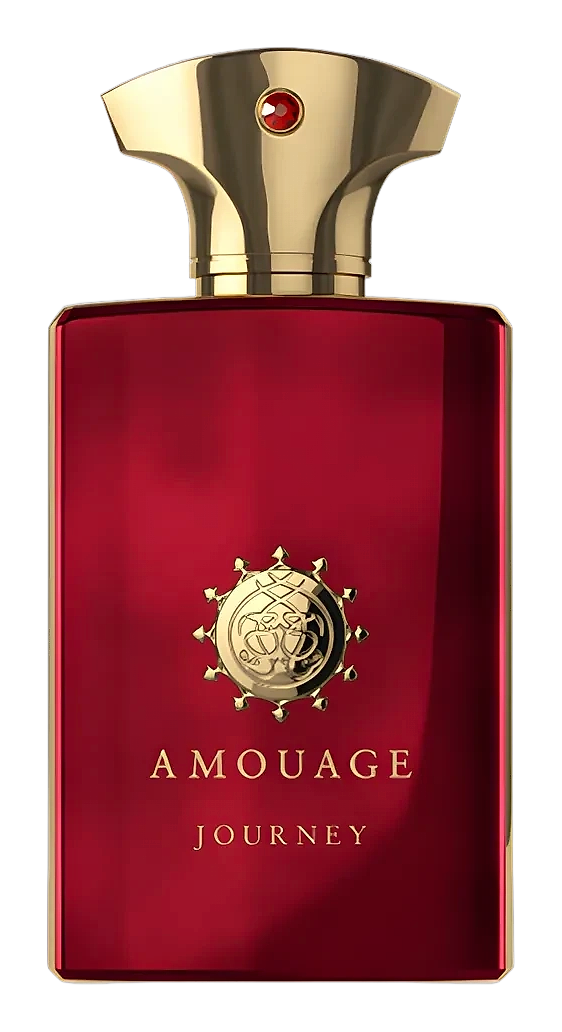
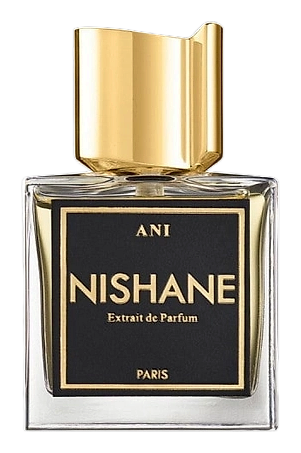
Og finds its audience among wearers who want a leather-oud composition that pulls back from the louder end of the genre. It carries that incense-driven gravity without the sweetness or projection that dominates many contemporary releases, reading drier, more contained, more architectural in its structure. Parfumo's similarity listings place it alongside compositions like Memo Paris's Irish Leather and Amouage's Journey Man, which suggests a shared kinship in approach, a leather-oud conversation rather than a competition.