
The Story
Why it exists.
The beginning
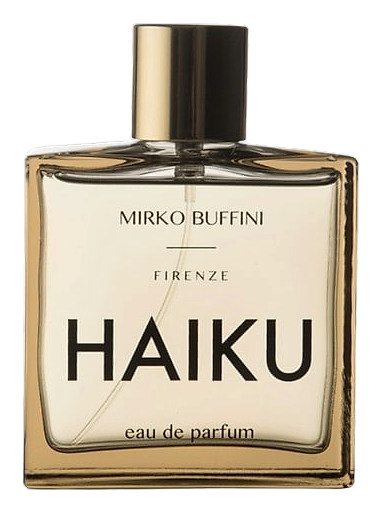
The name came first. Haiku, the world's shortest poem, seventeen syllables that somehow contain an entire world. That paradox became the assignment. How do you build a fragrance that is simultaneously brief and infinite, restrained and deep? The answer arrived in the materials themselves. Flax blossom opens like morning light on drying linen, there and then gone. White flowers layer in quiet, almost shy. Damask rose holds the classical warmth that keeps everything from floating away. Then the middle notes do the real work, cedarwood anchoring the florals, orchid with its delicate animal undertone, red berries adding tartness that lifts rather than sweetens. By the time you reach the base, you've been wearing something that never once raised its voice, yet somehow said everything.
What makes Haiku interesting is what it refuses to do. No dramatic opening salvo. No theatrical drydown confession. Instead, the composition moves like the poem it's named for, each line necessary, nothing wasted, the white flowers and damask rose giving way to cedar and vanilla without fanfare. The red berries deserve special mention: their tartness prevents the heart from becoming syrupy, keeping the florals grounded in something almost crisp. The powdery finish isn't aggressive, it's the quiet acknowledgment that something happened here, that the skin holds a trace worth following. This is restraint as presence. The fragrance doesn't project so much as it persists, close and warm, asking nothing of the room.
The evolution
The opening takes its time. Flax blossom arrives almost imperceptibly, like the first line of a poem you almost missed. White flowers follow, not to announce themselves, but to set the stage. Damask rose holds the classical warmth that keeps everything from drifting. Then the hand-off: cedarwood enters the heart and does what it does best, anchors the florals, tempers the sweetness, adds structure. Orchid brings a delicate complexity with a faint animal undertone. Red berries introduce tartness that lifts the whole thing. The drydown is where Haiku earns its name. Vanilla and amber create warmth that settles close. White musk does what white musk always does, makes the fragrance feel like skin, like something that belongs there. The powdery finish lingers for hours, but intimate, never loud. Close enough to be noticed by whoever's standing near you. Not loud enough to clear a room.
Cultural impact
Haiku belongs to a quiet corner of niche perfumery, the kind of fragrance house that doesn't compete for attention because it doesn't need to. The Black Collection speaks to those who've moved beyond the need to announce themselves. Its audience finds it, not the other way around.