The Story
Why it exists.
The beginning
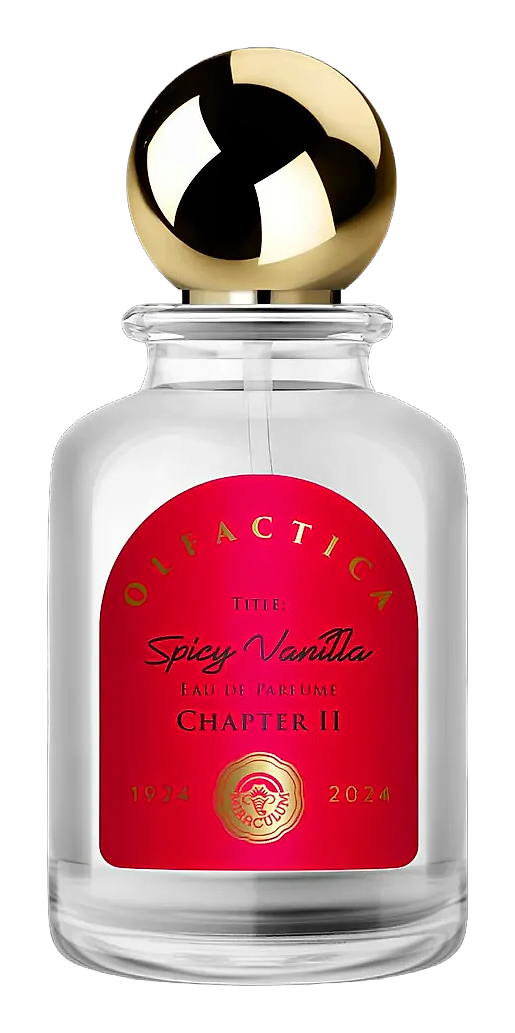
Part of the Olfactica series by Miraculum, Spicy Vanilla was conceived as an answer to a specific question: what happens when an oriental stops performing and starts lingering? Where other fragrances in the collection leaned into bold declarations, this one was designed to arrive sideways, bright on entry, warm underneath, impossible to shake once it's settled in. The name itself is the positioning: not vanilla that tolerates spice, but spice that makes room for vanilla. That inversion of expectation became the brief, and every note was chosen to serve it.
The heart of this fragrance lives in its structural tension. Top notes, ginger, star anise, bitter orange, arrive cracking and bright, almost citrus-forward in their initial assault. But instead of deepening into something heavier, they yield almost immediately to honey and tobacco, which enter not as contrast but as continuation. The dried fruits bind everything together, adding a quiet sweetness that makes the transition feel inevitable rather than surprising. It's an oriental construction that refuses the usual playbook: no dramatic opening, no slow burn into darkness. Instead, a quick pivot from sharp to soft, and the vanilla waiting at the end to make sure you remember which one was in charge.
The evolution
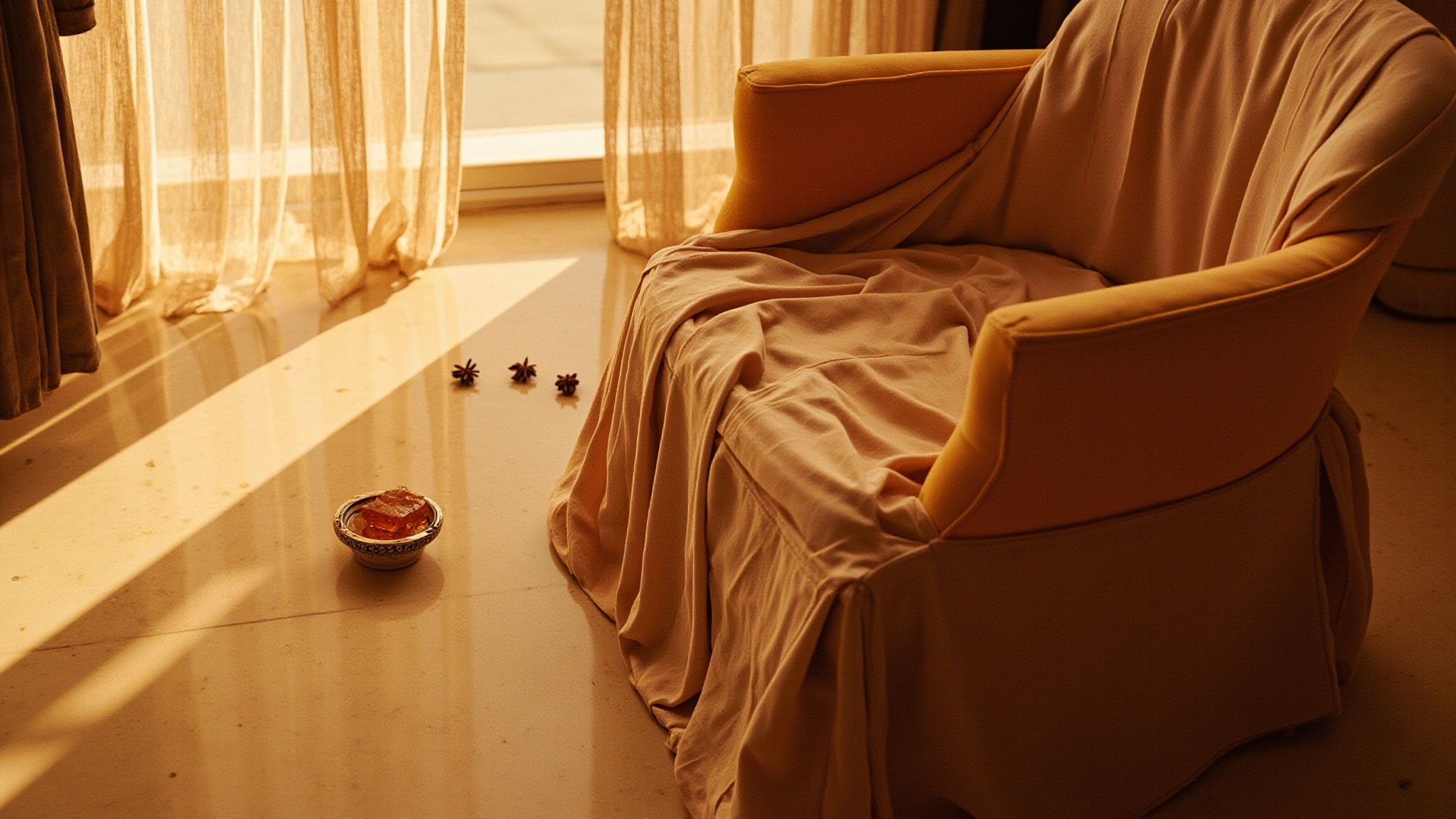
The opening is quick and assertive, ginger and anise arrive together, with the orange threading between them like something cold against something hot. Thirty minutes in, the spice softens but doesn't disappear. The honey emerges, thick and amber-colored, pulling the dried fruits along with it. The tobacco is subtle here, more texture than presence, the thing that keeps the sweetness from floating away. By the second hour, the base takes over. Vanilla resin and benzoin layer into something close and warm, while the suede surfaces as a quiet leather note, not prominent, just present enough to ground everything that came before. The drydown is intimate. Designed that way. Miraculum built this for closeness, not projection, and the sillage reflects that choice. What lingers afterward is vanilla and warmth on skin that stayed for hours.
Cultural impact
Miraculum positioned Spicy Vanilla within their Olfactica collection as a deliberate statement on oriental fragrance design during the 2000s market boom. Rather than following the decade's trend of sweet, approachable orientals, this fragrance challenged wearers with a sharp anise-spice opening before yielding to vanilla warmth, reversing the expected entry point. In Polish fragrance culture where Miraculum holds significant heritage, this approach reflected a growing sophistication among domestic consumers who wanted complexity over simplicity. The fragrance marked a shift in how Eastern European perfumery addressed global competition, using structured contrast as its differentiator rather than following Westernmarket conventions.