The Story
Why it exists.
The beginning
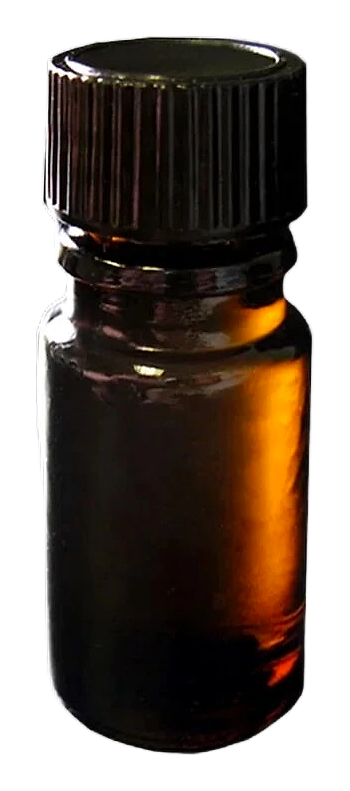
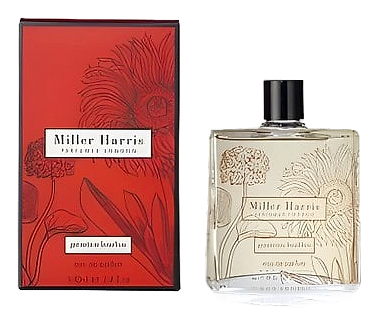
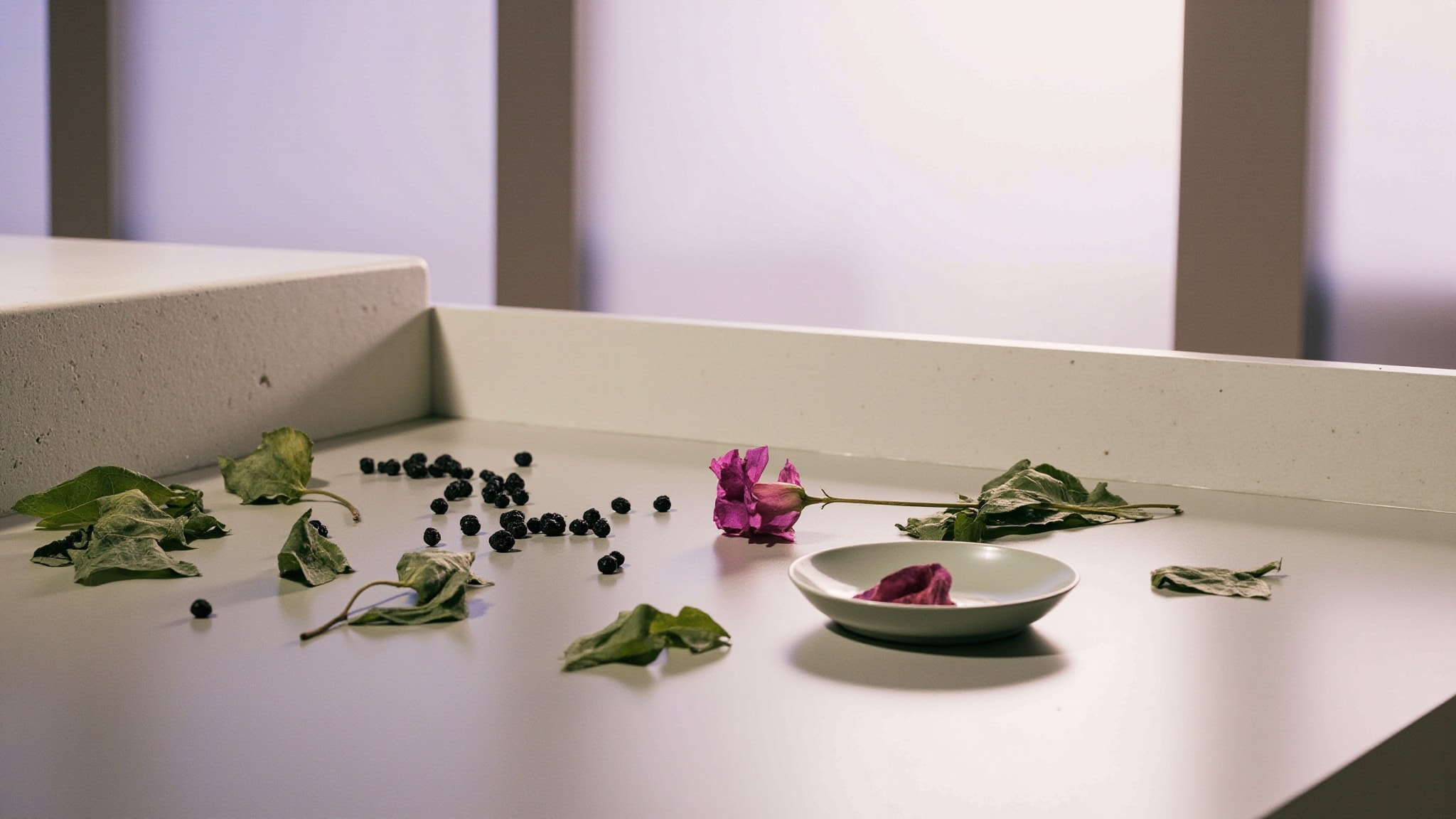
Lyn Harris could have made a traditional rose. Most perfumers would have taken the familiar route. Instead she chose geranium, a bold, aromatic material that captures the living plant more than the idea of it. Palmarosa brought its lemon-rosy character, blackcurrant its tart dark berry, and together these three created something unexpected: a green, sharp, slightly bitter composition that leaned into the garden rather than away from it. The drydown kept that rawness alive, anchored by patchouli and amber rather than buried beneath them.
Geranium bourbon is the perfumer's name for Pelargonium graveolens, the plant you might know as scented geranium. It's divisive. Some find it medicinal. Others detect only green, leafy sharpness. But its complexity is undeniable, and in this composition it's the surprise that makes the whole thing work. The opening notes don't fade as the rose develops. They're sustained throughout, creating a transparency that's rare in rose fragrances. Black pepper adds a dusty, slightly bitter quality that cuts through what could otherwise become sweet. What you're left with is a chord, not a sequence.
The evolution
The opening tartness of blackcurrant and geranium hits immediately, sharp, green, almost biting. Palmarosa adds its lemon-rosy nuance, creating the impression of crushed leaves rather than petals. The heart arrives as Turkish rose meets violet and black pepper. The pepper's dusty, slightly bitter quality cuts through what could otherwise become sweet. The rose and violet hold their space before the base takes over. Patchouli's dark, earthy character anchors everything. Amber adds warmth. Vanilla doesn't soften the patchouli, it deepens it. The geranium remains present throughout, its aromatic quality shifting from crisp to almost meditative. The drydown becomes warm and intimate, lingering in a way that feels both grounded and unexpectedly persistent.
Cultural impact
Geranium Bourbon stands apart from conventional rose compositions. It offers a rose that refuses to be merely decorative, presenting green, dry, and botanical rather than sweet or powdery. The fragrance emphasizes structure and restraint, demonstrating how rose can be reconsidered through the lens of aromatic complexity rather than decorative flourish.