The Story
Why it exists.
The beginning
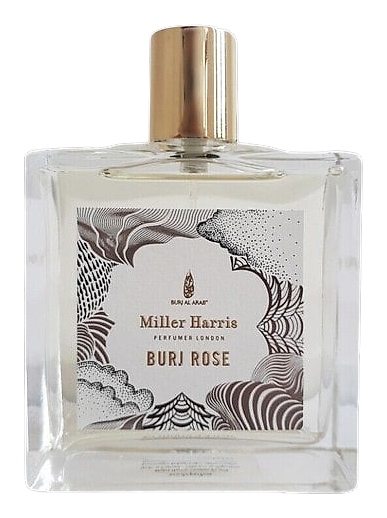
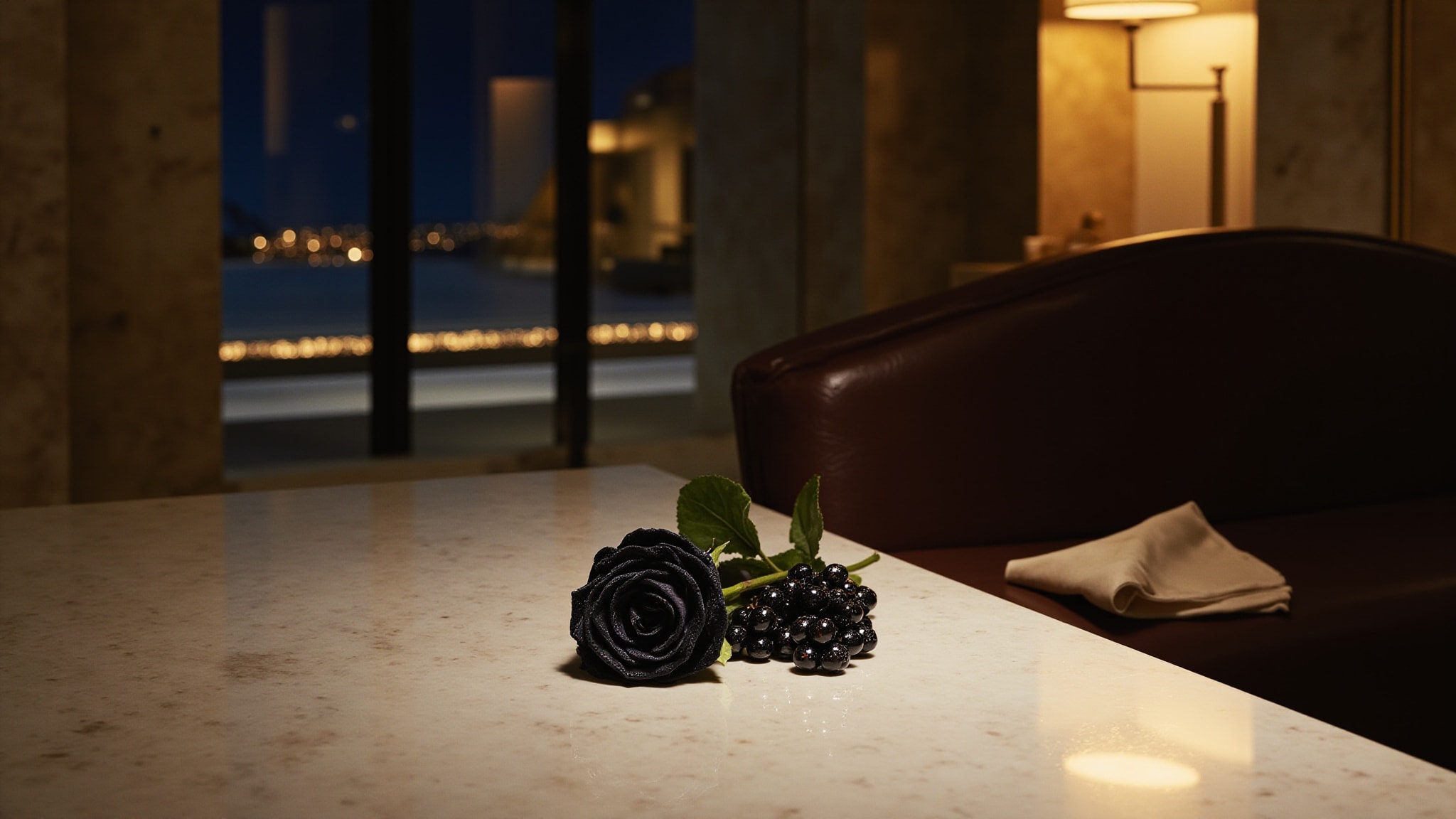
Some fragrances arrive with a concept. This one arrived with a place. Burj Rose was created exclusively for the Burj Al Arab in Dubai, a fragrance tied to a specific building and a specific clientele. Emilie Bouge composed a rose for that setting, one that could hold its own against marble, glass, and the kind of evening where nobody leaves early. The result was a dark, fruit-edged floral that felt less like a British rose garden and more like a rose that had traveled. It was only ever available in the hotel, which gave it the particular gravity of something that could not simply be walked into and bought elsewhere. The composition draws on raspberry, pink pepper, and Damask rose absolute, with papyrus lending a dry, almost papery texture through the heart.
What's interesting here is what Bouge left out. There's no oud, no saffron, no heavy resins, none of the usual signifiers people expect from a fragrance made for Dubai. The raspberry and pink pepper do the exotic work, giving the opening a sharp, almost wine-like brightness that cuts through the warmth of the skin. The Damask rose absolute is the real anchor of the composition, but it's been pulled away from the syrupy, jammy side of rose and pushed toward something drier, closer to leather and papyrus in its texture.
The evolution
The opening is the loudest part. Raspberry and blackcurrant hit bright and almost sharp, the pink pepper adding a fizzy heat underneath that gives the whole top a restless, sparkling quality. The fruit is vivid and slightly tart, more like biting into something fresh than like jam or compote. Then the fruit pulls back, and the Damask rose steps in, not soft, not powdery, but dense and leathery, with a texture that recalls the inside of a well-worn glove. There's nothing pretty-pretty about this rose. It feels grown-up, slightly smoked, almost architectural. The papyrus arrives as a dry, papery texture that keeps the rose from getting too sweet, lending the heart a mineral, slightly papery coolness. As the hours pass, the whole composition settles into something woodier. New Caledonian sandalwood and patchouli take over, and the rose doesn't disappear.
Cultural impact
Burj Rose existed in a strange place: a fragrance tied to a single building and a single city, made by a house whose usual references sit firmly in the British and European tradition. That kind of commission is rare, and it produced a composition that didn't follow the rules anyone expected. The rose at the center of the fragrance is dark, dry, and restrained, the kind of rose that rewards slow wearing rather than immediate impact. Bouge built the composition around raspberry, pink pepper, and Damask rose absolute, with papyrus adding a dry, almost mineral texture through the heart.