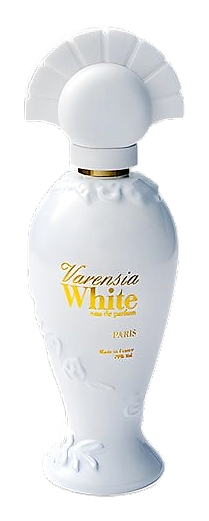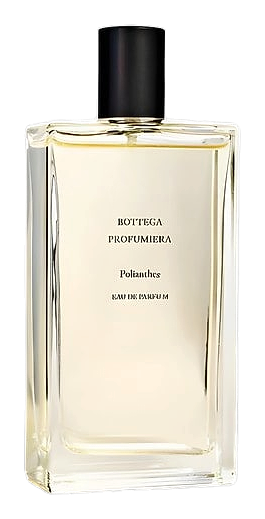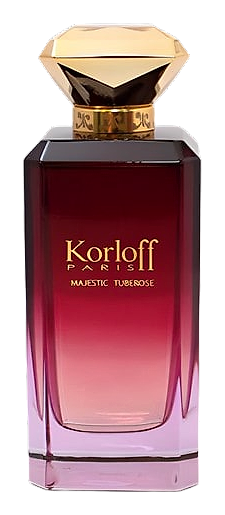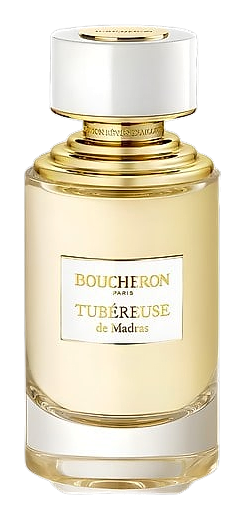
The Story
Why it exists.
The beginning
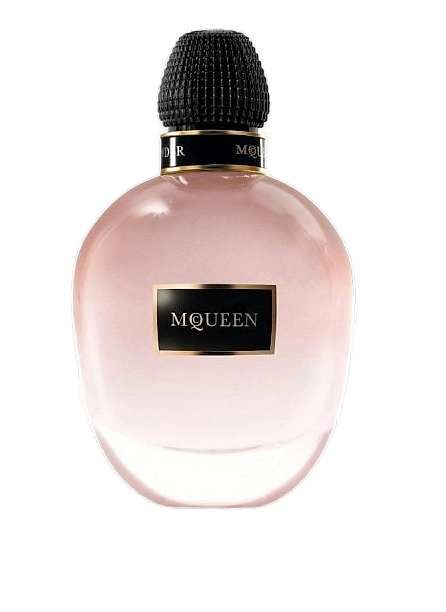
McQueen EDP landed in 2016 as a lighter interpretation of the previous year's Parfum, same house, same intent, softer architecture. DSM-Firmenich handled the formulation, building outward from the floral heart that defines the McQueen olfactory identity. The brand's fragrance philosophy has always favored contrast over convention: light against dark, softness against edge. This EDP takes that principle and makes it wearable, approachable in its powdery drift, but still rooted in the theatrical DNA that makes every McQueen scent worth paying attention to.
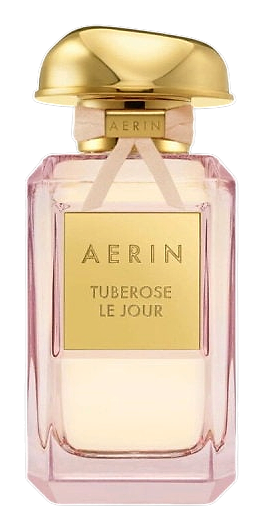
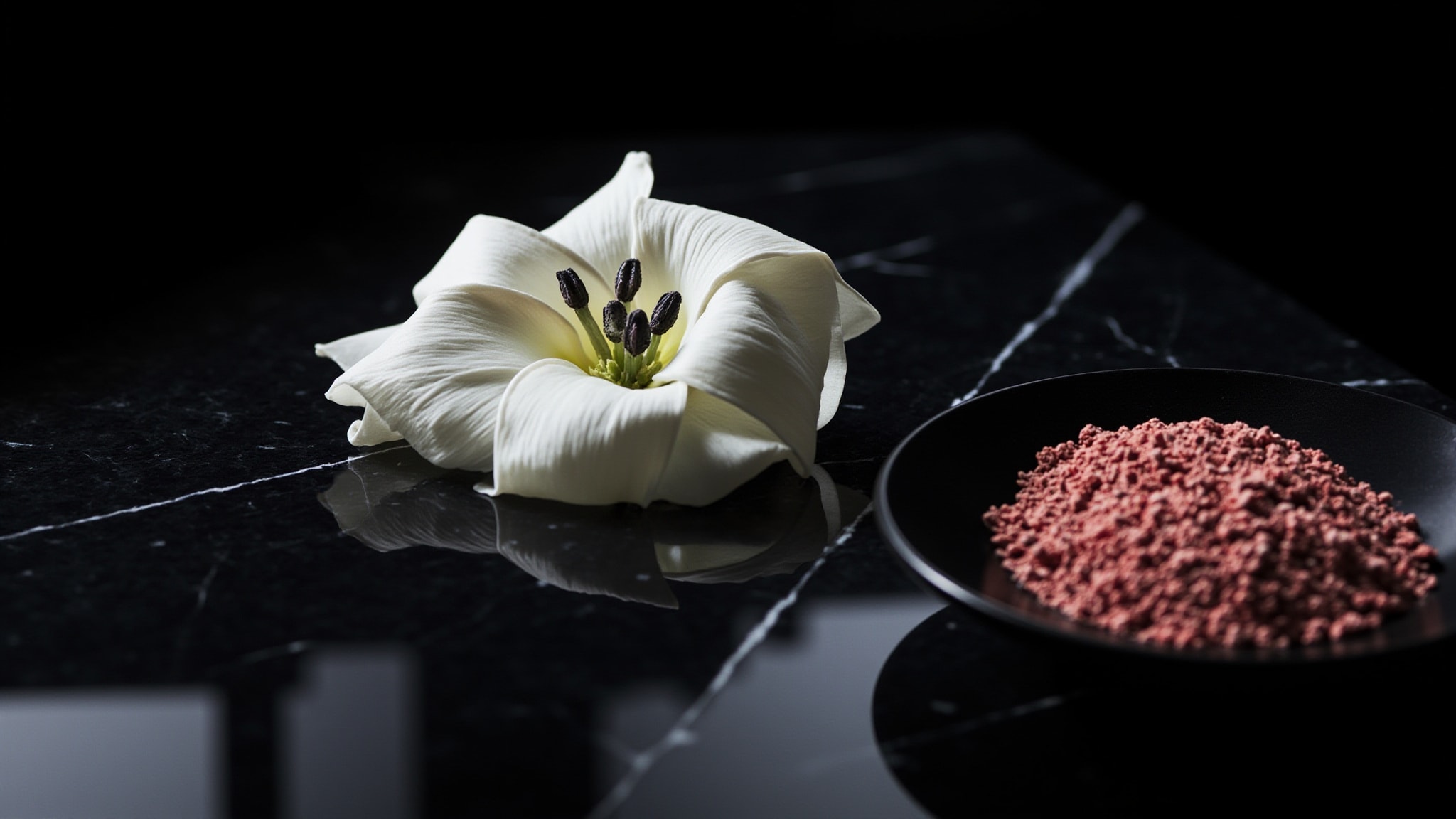
The white floral heart is where the work lives. Tuberose is notoriously difficult to balance, the compound that gives it that cold, waxy, indolic intensity requires serious concentration to register correctly. Too little and it goes flat, tasting more of lily-of-the-valley than anything interesting. Ylang-ylang from Comoros brings a creamier, slightly fruity counterpoint that tempers the tuberose's more aggressive qualities. Together with jasmine sambac, these three create a heart that reads first as commanding, then as luminous, never sweet in the easy sense, but rich in the way a velvet curtain is rich.
The evolution
The pepper trio announces itself first. That opening lasts maybe five minutes before the florals begin their slow arrival. Over the next few hours, tuberose, jasmine, and ylang-ylang build and build, eventually giving way to the vetiver base that holds everything. The drydown on skin is dry wood, close, intimate, still detectable hours after the initial application. Compared to the Parfum concentration, this EDP version reads as softer, more powdery, less dense. The longevity is the real differentiator. Six to eight hours on most skin types, with the vetiver drydown outlasting everything else. That drydown is the tell, the moment the florals finally let go and the woody foundation takes over.
Cultural impact
McQueen EDP arrived in 2016 as part of a house that had been building its fragrance identity since Kingdom in 2003. The reception has been broadly positive, with particular praise for the balance between vintage glamour and modern restraint. The tuberose-heavy composition stands out in a category where many houses soften their florals for broader appeal. Enthusiasts regard it as a respected entry in the McQueen lineup, with a loyal following among those who appreciate assertive white florals. McQueen didn't. That's the statement.