    Brand Profile

    Alexander McQueen, the British fashion house founded in 1992, entered the fragrance world in the early 2000s. The scent portfolio began with…More

    United Kingdom·Est. 1992·Site

    2

    Fragrances

    4.0

    Rating

    19
    My Queen by Alexander McQueen
    4.0

    My Queen

    Everlasting Dream by Alexander McQueen
    4.0

    Everlasting Dream

    My Queen Deluxe Edition by Alexander McQueen
    Best Seller
    4.3

    My Queen Deluxe Edition

    McQueen Parfum by Alexander McQueen
    Best Seller
    4.2

    McQueen Parfum

    Kingdom Limited Edition 2004 by Alexander McQueen
    Best Seller
    4.2

    Kingdom Limited Edition 2004

    Kingdom by Alexander McQueen
    4.2

    Kingdom

    My Queen Light Mist by Alexander McQueen
    4.1

    My Queen Light Mist

    McQueen Eau Blanche by Alexander McQueen
    4.1

    McQueen Eau Blanche

    Kingdom Limited Edition 2005 by Alexander McQueen
    4.1

    Kingdom Limited Edition 2005

    Kingdom Limited Edition by Alexander McQueen
    4.1

    Kingdom Limited Edition

    Kingdom Summer by Alexander McQueen
    4.1

    Kingdom Summer

    Dark Papyrus by Alexander McQueen
    4.0

    Dark Papyrus

    1 of 2

    The Heritage

    The Story of Alexander McQueen

    Alexander McQueen, the British fashion house founded in 1992, entered the fragrance world in the early 2000s. The scent portfolio began with Kingdom in 2003, followed by My Queen in 2005, and later expanded to include McQueen Parfum (2016) and limited‑edition releases such as Dark Papyrus (2018). Each fragrance reflects the label’s reputation for theatricality and meticulous detail, offering collectors a scented extension of the runway’s drama.

    Heritage

    Lee Alexander McQueen opened his eponymous label in London in 1992 after a brief apprenticeship on Savile Row and a stint at Givenchy. The brand quickly earned a reputation for provocative tailoring and runway spectacles that challenged conventional beauty. After McQueen’s untimely death in 2010, creative director Sarah Burton continued the house’s narrative, preserving its avant‑garde spirit while expanding into new categories. The first fragrance, Kingdom, arrived in 2003 as an Eau de Parfum sold exclusively in Alexander McQueen boutiques. Developed in partnership with the perfume division of Yves Saint‑Laurent, Kingdom blended notes of bergamot, amber, and sandalwood, echoing the brand’s dark romanticism. Two years later, My Queen launched in 2005, a floral‑oriental composition that emphasized opulent rose and jasmine, reinforcing the house’s affinity for dramatic contrast. In 2016, the brand introduced McQueen Parfum, a richer, night‑oriented scent described by the house as a “juice for night owls,” featuring incense, leather, and amber accords. Limited editions such as Dark Papyrus (2018) and seasonal variants like Kingdom Summer (2006) have kept the fragrance line fresh, often released in small batches and discontinued after a short run, which has cultivated a collector’s market. Throughout its evolution, the fragrance arm has remained a niche extension of the fashion house, mirroring the same commitment to narrative depth and craftsmanship that defined McQueen’s runway legacy.

    Craftsmanship

    Alexander McQueen’s fragrance production follows a traditional French‑style atelier model, where each scent is formulated in a dedicated laboratory before being hand‑filled into bottles at a single manufacturing site. The house works with external fragrance houses for raw material procurement, sourcing natural extracts such as Bulgarian rose, Indian sandalwood, and Moroccan ambergris substitutes from reputable farms that meet REACH regulations. Synthetic aromachemicals are blended to achieve stability and consistency, especially in limited‑edition releases where batch size is small. Quality control includes gas‑chromatography analysis of each batch to verify concentration levels of key accords, ensuring that the final product matches the original brief. Bottles are crafted from thick glass, often with a matte black or deep amber finish, and sealed with a metal cap that bears the brand’s signature skull motif. The packaging process involves hand‑applied labels and, for select editions, hand‑stitched leather wraps that echo the fashion house’s tailoring heritage. Although the fragrance line is not mass‑produced, the house maintains a rigorous schedule of seasonal audits to confirm that ingredient sourcing remains compliant with both environmental standards and the brand’s aesthetic expectations.

    Design Language

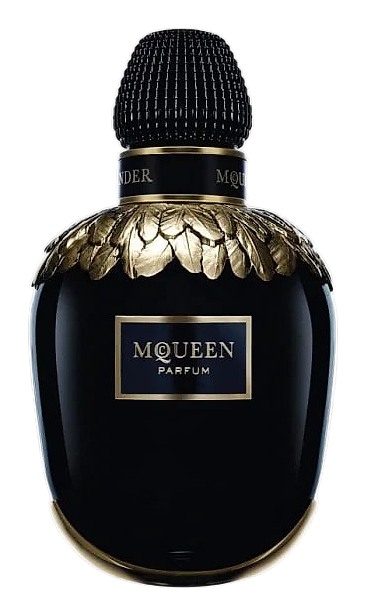
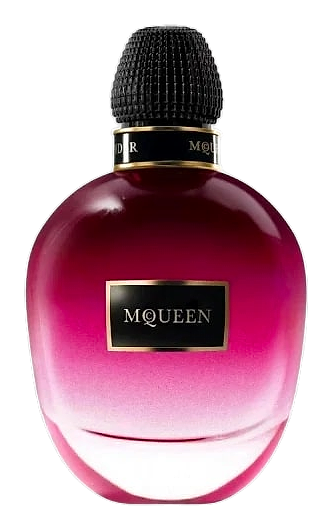
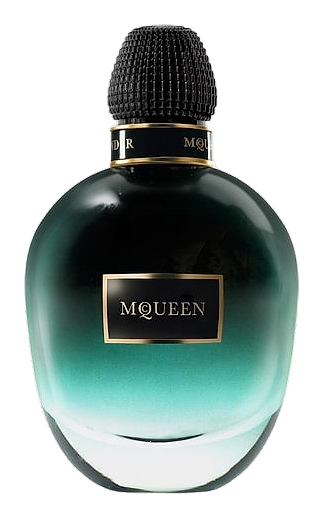
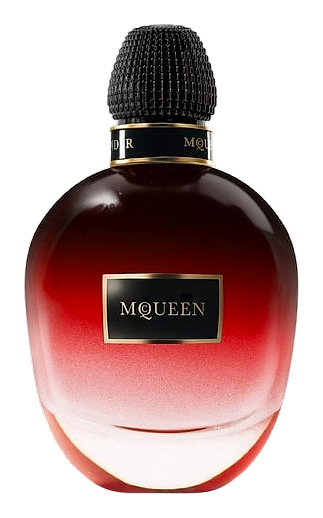
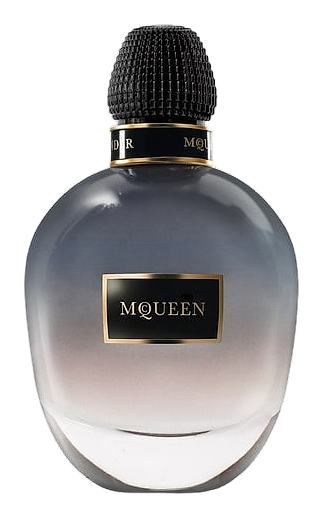
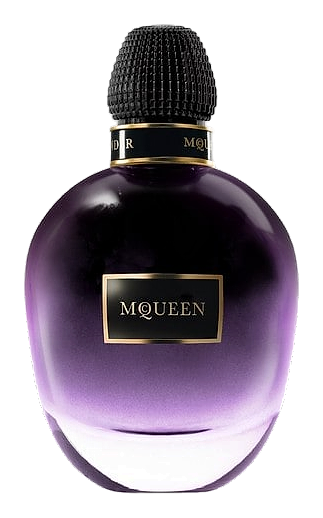
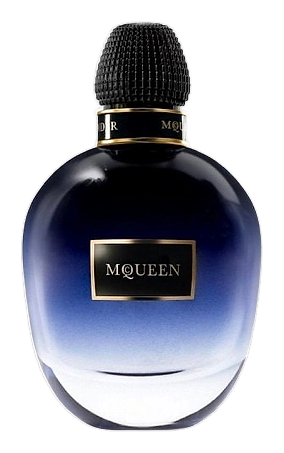
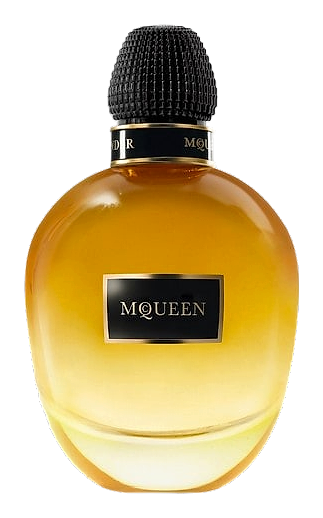
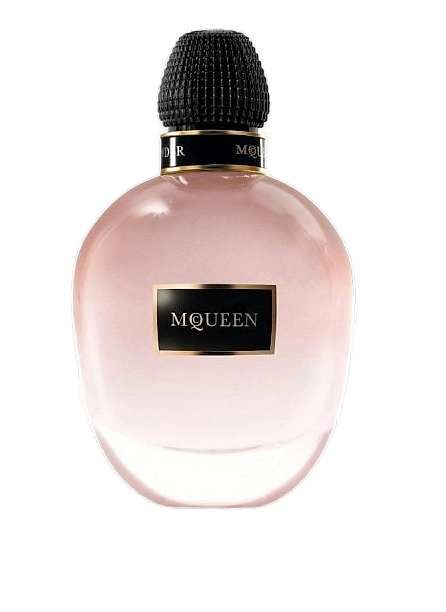
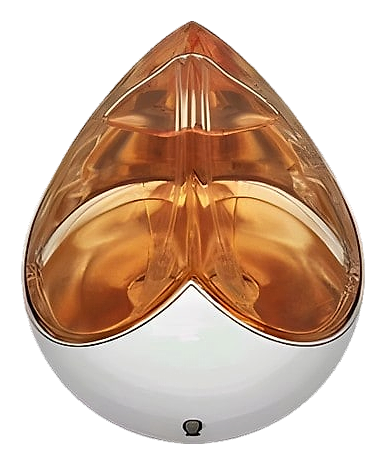
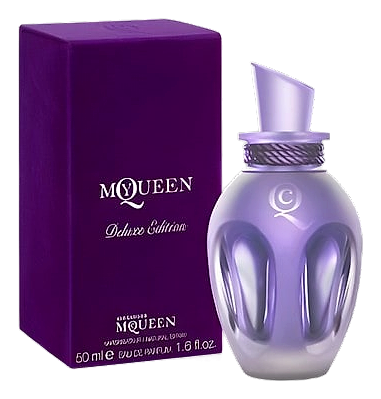
    Visually, Alexander McQueen fragrances extend the label’s dark romantic aesthetic. Bottles typically feature a squat, square silhouette with a heavy base, reflecting the architectural lines seen on the runway. The glass is often tinted – black for Kingdom, deep amber for McQueen Parfum – and finished with a matte texture that catches light subtly, reinforcing the brand’s love of contrast. Caps are metal, engraved with the iconic skull, a motif that appears across the house’s accessories and apparel. Labels employ a minimalist serif typeface, printed in silver or gold foil, allowing the bottle’s form to dominate the visual experience. Limited‑edition releases sometimes incorporate unique elements, such as a silk‑lined box for Dark Papyrus or a hand‑stitched leather sleeve for Kingdom Summer, linking the perfume to the couture craftsmanship of the fashion collections. The overall presentation balances opulence with restraint, mirroring the brand’s narrative of elegance intertwined with edge.

    Philosophy

    The perfume philosophy at Alexander McQueen translates the fashion house’s theatrical narrative into olfactory form. Rather than chasing trends, the brand pursues stories that unfold over time, using scent as a medium for emotional resonance. Creative direction emphasizes contrast – light against dark, softness against edge – a principle evident in the juxtaposition of floral heart notes with smoky base layers. Sustainability and ethical sourcing have become part of the conversation, with the house reporting that many raw materials are obtained from certified suppliers, though specific certifications are not always disclosed publicly. Collaboration with established perfumers and fragrance houses, such as the early partnership with YSL’s perfume division, ensures technical expertise while allowing the brand’s artistic vision to steer the composition. The result is a line that seeks to provoke thought, evoke memory, and complement the wearer’s personal narrative rather than merely serve as a decorative accessory.

    Key Milestones

    1992

    Alexander McQueen fashion house founded in London by Lee Alexander McQueen.

    2003

    Launch of the first fragrance, Kingdom, developed with YSL’s perfume division and sold exclusively in brand boutiques.

    2005

    My Queen released, expanding the line with a floral‑oriental composition.

    2010

    Founder Alexander McQueen passes away; Sarah Burton assumes creative direction.

    2016

    McQueen Parfum introduced, marketed as a night‑oriented scent for “night owls.”

    2018

    Dark Papyrus limited edition released, adding a smoky, incense‑driven profile to the portfolio.

    At a Glance

    Brand profile snapshot

    Origin

    United Kingdom

    Founded

    1992

    Heritage

    34

    Years active

    Collection

    2

    Fragrances released

    Avg Rating

    4.0

    Community sentiment

    Release Rhythm

    2018
    8
    2017
    1
    2016
    2
    2007
    1
    2006
    2
    2005
    2
    2004
    2
    2003
    1
    alexandermcqueen.com

    Did You Know?

    Interesting Facts

    Distinctive details and defining moments that shape the house personality.

    01

    Kingdom was initially sold only in Alexander McQueen stores, making early bottles rare collector’s items.

    02

    My Queen’s formulation includes a high proportion of natural Bulgarian rose oil, a material often reserved for high‑end niche houses.

    03

    The skull motif on the perfume caps mirrors a recurring symbol in McQueen’s runway shows, representing mortality and rebellion.

    04

    Limited‑edition scents such as Dark Papyrus are produced in batches of fewer than 5,000 units, contributing to their quick discontinuation.

    The Artisans

    The Perfumers