
The Story
Why it exists.
The beginning
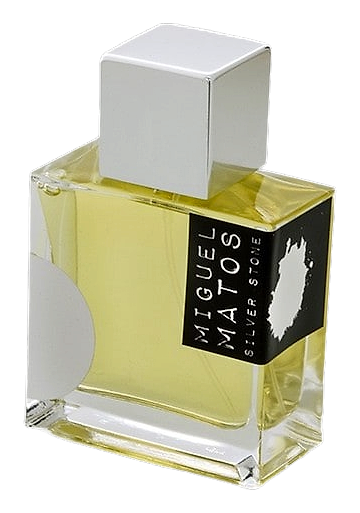
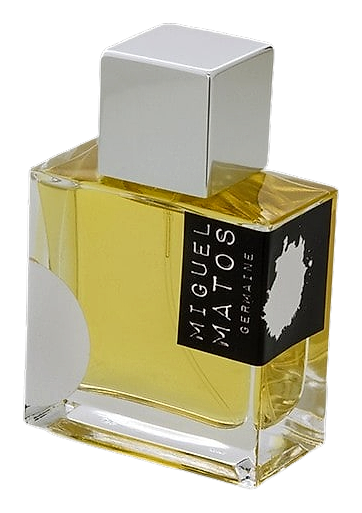
Germaine takes its name from a figure who exists between eras and identities, a name that carries weight and mystery. Miguel Matos spent two decades writing about fragrance before making it, and Germaine carries that critic's eye: a careful attention to composition, structure, and the way individual materials relate to one another. The name invites curiosity. The fragrance delivers on it.
The violet-sage pairing is the structural move worth understanding. Violet carries powdery, slightly indolic floralcy. Sage adds herbal, slightly bitter green. Threaded together, they create a green-floral heart that feels both rooted in fougère tradition and genuinely strange to modern noses accustomed to fruity or watery mid-sections. This middle ground between top and base creates a distinctive character, one that rewards attention and reveals new dimensions with wear.
The evolution
The opening announces itself immediately. Juniper and bergamot arrive with crisp, fresh intensity, a bright opening that sets the stage before transitioning toward softer territory. Then sage and basil arrive, green and slightly bitter, reining in the brightness and adding herbal depth. Violet appears around the middle phase, introducing a powdery floral quality that threads through the herbaceous base, this violet-herb connection is what makes the fragrance distinctive. The base follows to ground the composition: leather, vetiver, patchouli, and musk that provide depth and lasting presence on the skin.
Cultural impact
Since its debut, Germaine has built a following among fragrance enthusiasts who appreciate thoughtful compositions. The violet-herb pairing in the heart phase is the element that generates the most discussion, it's a distinctive combination that stands apart from more conventional choices. The fragrance appeals to those seeking something different from mainstream offerings.