
The Story
Why it exists.
The beginning
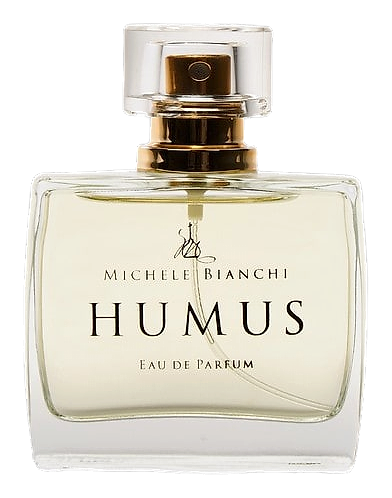
Michele Bianchi has spent his career building a catalog that refuses easy categorization. Founded in 2017, operating from Moscow, this Italian perfumer draws from olfactory traditions spanning continents and centuries. Humus is his most literal statement: a fragrance built around the decomposing layer of the forest floor, the rich dark matter from which new life emerges. Humus as a concept predates perfumery. It's biology before it's fragrance. Bianchi understood that the smell of decay, when handled correctly, is not unpleasant. It's the most honest scent in nature. The wet earth, the mushroom, the quiet rotting wood. Geosmin, the compound responsible for that petrichor smell after summer rain, became the emotional anchor of the composition.
What makes Humus work is its refusal to treat earthiness as a novelty. Many fragrances introduce a forest note and retreat quickly into safer territory. Bianchi stays. The geosmin isn't a cameo, it's a structural element that defines the heart and informs everything around it. The supporting materials do important work without competing. Cedar and oud give the earthiness a vertical dimension, something to climb rather than just sit in. Leather and oakmoss in the base ensure that the drydown doesn't become soft or sweet. Vetiver grounds everything with its mineral, slightly smoky character. This is not a cozy fragrance. It's a specific kind of honesty, the kind you find outdoors, in the rain, with no one around.
The evolution
Humus opens bright. Ginger and bergamot arrive quickly, with the citrus cutting through the spice. It lasts maybe twenty minutes before the shift begins. The heart is where it earns the name. Geosmin opens like wet earth after a storm, that exact moment when the ground releases its smell and the air feels renewed. Cypress adds a cool, slightly resinous lift. Cedar and oud weave through, giving the earthiness structure. A whisper of something floral, something fermented, may surface briefly, then disappear. It moves fast. By the third hour, the leather arrives. The oakmoss and vetiver take over, and the composition becomes warm and close, almost tactile. Patchouli adds a root-like bitterness. Amber softens the edges just enough. This is the part that stays, a mossy, earthy warmth that lingers on fabric well into the next day. The sillage drops to intimate, then to memory.
Cultural impact
Humus arrived in 2017 at a moment when the niche fragrance market was saturated with oud and ambroxan-heavy compositions. Michele Bianchi chose instead to center his debut on geosmin, the compound responsible for petrichor, and oakmoss, a material many perfumers had quietly abandoned due to IFRA restrictions. The result positioned Humus as a statement about honesty in perfumery: a fragrance that smells like the thing it names rather than a luxury interpretation of it. In doing so, it carved out space for a small wave of earth-forward releases that followed, appealing to wearers who wanted fragrance to evoke specific places rather than abstract luxury.