Patchouli Root
Patchouli delivers that unmistakable earthy depth anchoring countless fine fragrances. Indonesian farmers have perfected its cultivation for generations, transforming Pogostemon cablin leaves into a raw material prized for its complex, camphoraceous character and exceptional fixative properties.
Character
How it smells
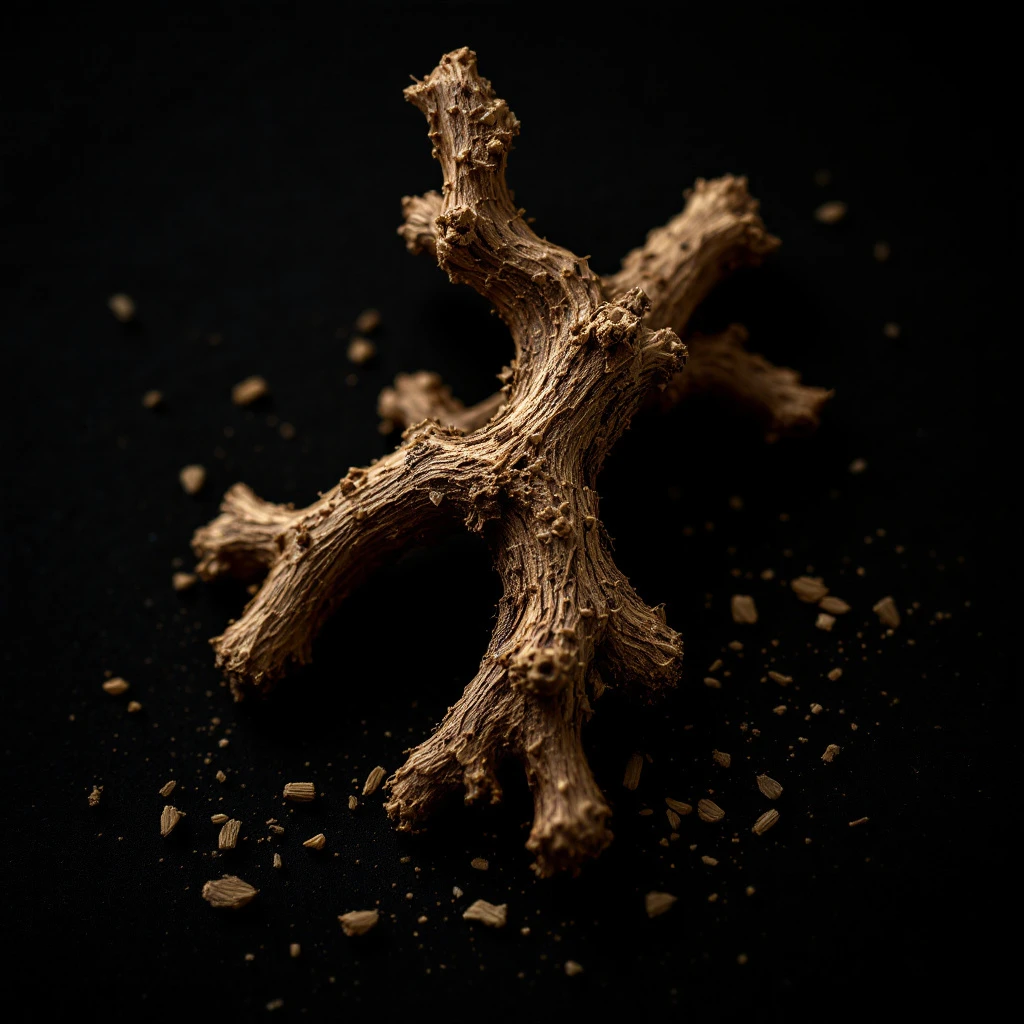
Earthy, camphoraceous, and endlessly versatile.
Silk traders in ancient India tucked patchouli leaves between fabrics to protect them from moths during their long journey along the Silk Road.





Origin
Indonesia
Patchouli originated in the Malay-Indonesian archipelago and surrounding regions of Southeast Asia, where indigenous peoples used the plant for its medicinal and aromatic properties. The herb made its way along ancient trade routes, reaching China, Japan, and eventually the Middle East.
During the Victorian era, European merchants discovered that Indian merchants were using patchouli leaves to protect fine shawls and fabrics during transit. The distinctive scent became associated with authenticity and luxury in European fashion circles, sparking widespread demand.
By the 19th century, patchouli had become a staple in perfumery, valued not only for its rich scent but also for its ability to fix lighter, more volatile fragrance materials. The oil gained further cultural prominence during the 1960s counterculture movement, cementing its place as one of perfumery's most recognizable and enduring ingredients.
Wears it best
Fragrances featuring Patchouli Root
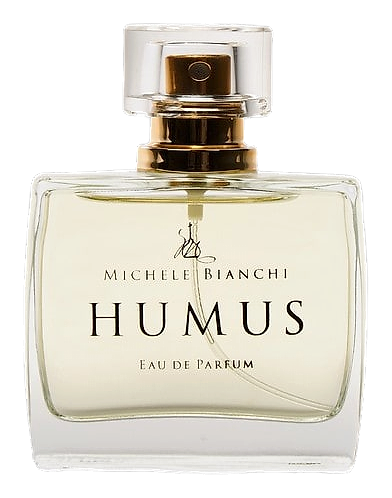
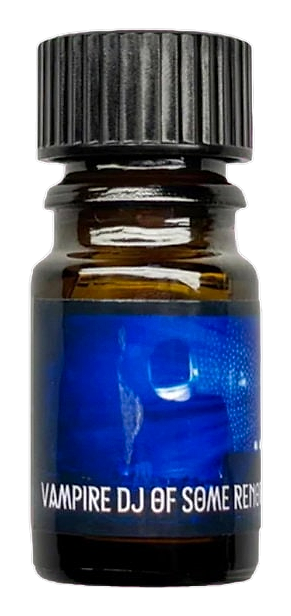
Brands
Brands known for Patchouli Root
Good to know
Questions, answered
The essentials on Patchouli Root in perfumery: how it smells, where it comes from, and how it behaves on skin.
Where does most patchouli essential oil come from?
Indonesia produces approximately 90% of the world's patchouli oil, with annual output reaching around 1,500 metric tons.
What part of the patchouli plant is used in perfumery?
Perfumers use the dried leaves of Pogostemon cablin, which undergo steam distillation to extract the aromatic essential oil.
How does patchouli function in fragrance compositions?
Patchouli acts primarily as a fixative, slowing the evaporation of more volatile top and heart notes and adding lasting depth.
What does patchouli smell like?
Patchouli ranges from fresh and slightly citrusy when young to deep, earthy, and camphoraceous when properly aged, with woody undertones.
Why does Indonesian patchouli have such a strong reputation?
The climate and soil conditions in Sulawesi and Sumatra produce oil with exceptionally high patchoulol content, the compound largely responsible for its rich, complex aroma.
Does patchouli oil improve with age?
Yes, patchouli oil develops and mellows over time, with aged oils typically displaying rounder, more refined aromatic profiles.
What extraction method produces patchouli essential oil?
Steam distillation of dried patchouli leaves, a process that typically runs for several hours under controlled temperature and pressure conditions.
Is patchouli related to the patchouli root in traditional medicine?
Patchouli in perfumery comes from Pogostemon cablin leaves, not roots. The root systems of other plants like vetiver serve different aromatic purposes.