
The Story
Why it exists.
The beginning
Waterlove Woman arrived in 2004, composed by Nathalie Lorson for Mexx. The early 2000s had flooded the market with aquatic fragrances, sharp, cold, gender-neutral, and Waterlove took a different position. It kept the freshness but softened everything around it. Fruit instead of ocean. Powder instead of metal. A fragrance that whispered rather than projected, built for the person who didn't need a scent to announce their arrival. Lorson structured it around proximity: notes that would smell strongest closest to the skin, not across a boardroom table.
What makes Waterlove's structure interesting is the contrast between its top and base, and how fast the handoff happens. Stone fruit is inherently fleeting on skin; apricot and white peach can read as almost vapor-like in the opening. Rather than fighting this, the composition works with it. The heliotrope and white musk arrive quickly, giving the fragrance its powdery identity before the fruit fully disappears. The vanilla and sandalwood don't compete, they sit beneath everything, adding warmth without weight. It's a composition built for a 3-4 hour window, not an all-day statement. The architecture knows its own limits and builds within them.
The evolution
The opening hits bright. White peach and apricot arrive with a sweetness that feels almost sun-warmed, like fruit left on the counter, not refrigerated. Melon adds a watery undertone, barely there. Ten minutes in, the freshness starts to thin. Freesia steps forward, slightly powdery, not quite floral. Heliotrope moves in behind it, giving the air a soft, almost talcum quality. The transition is gentle, nothing dramatic, no sudden hand-off. By the 45-minute mark, you're in the heart: lily of the valley adds a green whisper, but the powdery accord is already dominant. The base arrives quietly around the 90-minute mark. White musk keeps everything close to the skin. Tonka bean and vanilla add a warmth that smells like the memory of something sweet, not the sweetness itself. Sandalwood grounds it without adding weight. On most skin types, Waterlove fades gracefully from hour two onward. It doesn't announce its departure. Around the 3-4 hour mark, only the vanilla and white musk linger, close and quiet, like fabric that still holds a trace of the morning.
Cultural impact
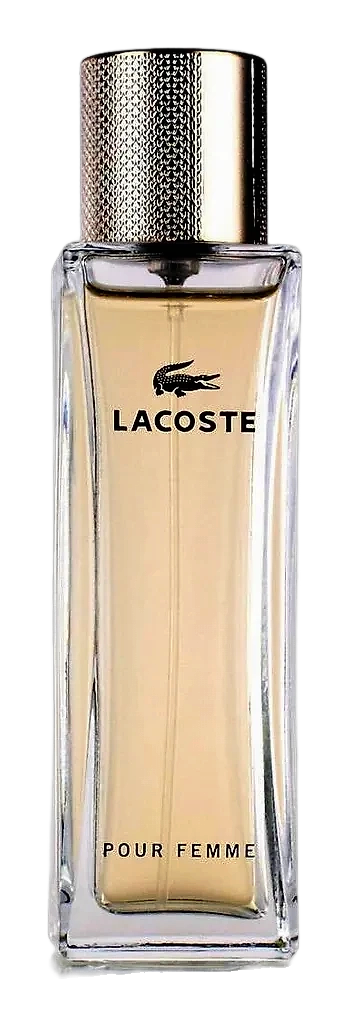
Released in 2004 by Mexx, Waterlove Woman arrived during a period when the fragrance market was saturated with sharp, synthetic aquatic scents. Where competitors like Adidas Moves for Women and Lacoste Women pushed bold, oceanic projections, Waterlove took a quieter stance. Its fruity-floral powder profile, centered on white peach and heliotrope, positioned itself as intimate rather than announced. Nathalie Lorson composed the fragrance to function as a skin scent, closer to a scented lotion than a statement perfume. This approach reflected a growing counter-trend in early 2000s perfumery, where certain brands began experimenting with low-sillage compositions designed for personal enjoyment rather than public presence.