The Story
Why it exists.
The beginning
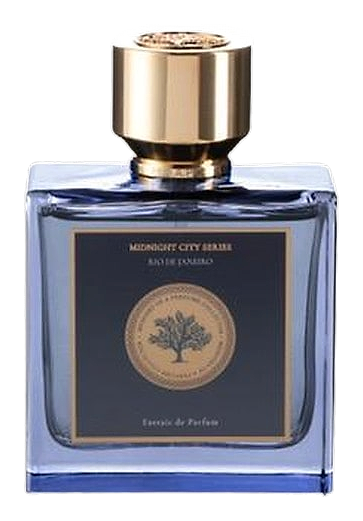
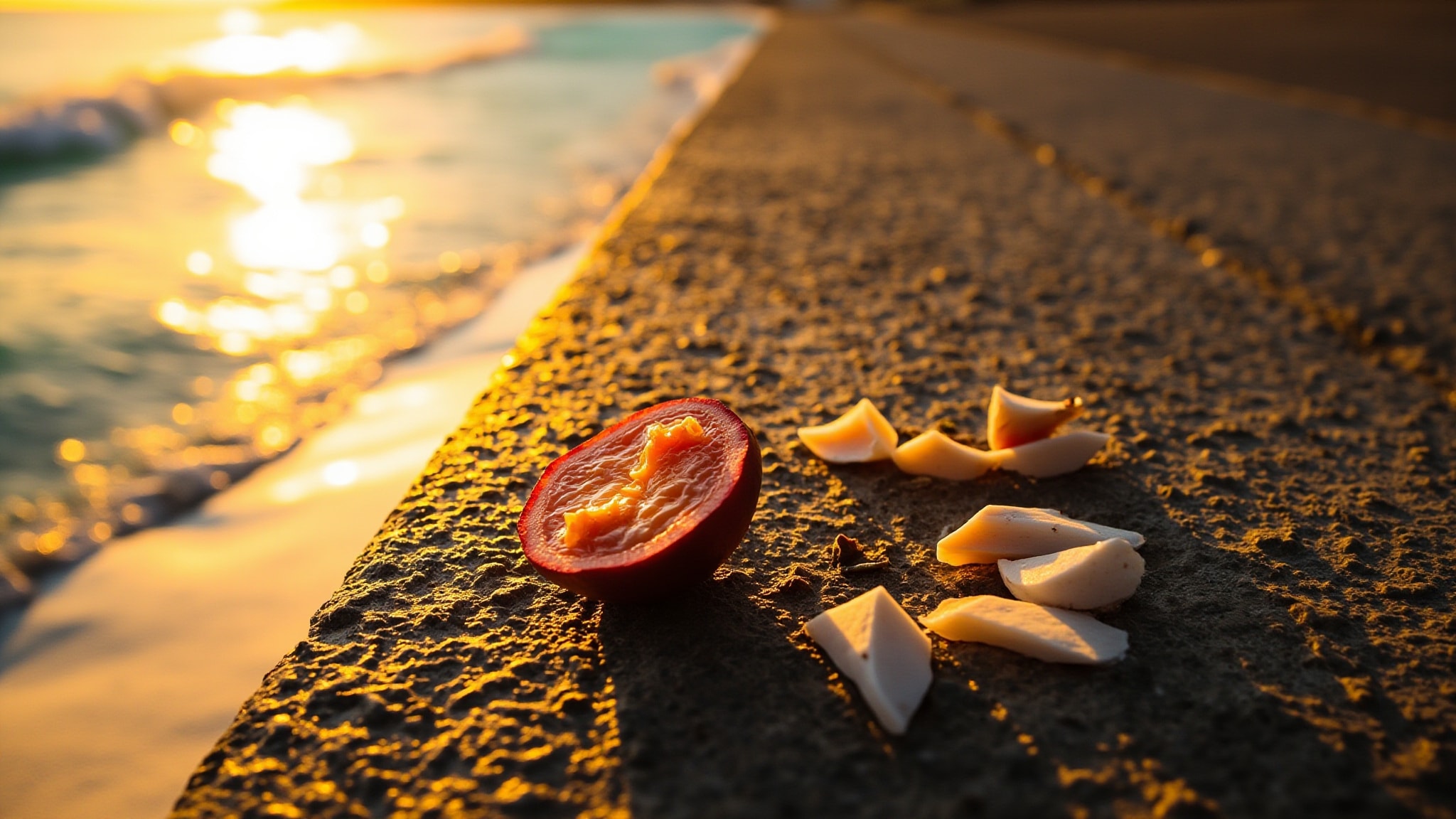
Mark Buxton built Rio de Janeiro from a single sensory memory: tropical fruit at peak ripeness, the kind that smells like the moment before it becomes something else entirely. The name isn't a postcard. It's an anchor. The Midnight City Series treats each fragrance as a chapter in a personal geography, and Rio is the one written in heat and humidity, in the specific quality of light that only falls certain places near the equator. Buxton, known for compositions that balance warmth against structure, chose to lead here with abundance rather than restraint.
What makes this pyramid interesting is the tension between the tropical and the green. Passion fruit, pineapple, coconut, these are obvious choices for a beach-named fragrance. But the blackcurrant and bitter almond introduce something unexpected: a tartness, a bitterness at the edges that prevents the composition from becoming a caricature. The lily of the valley in the heart is unusual here, it's typically a whisper note in lighter florals. Using it alongside cedarwood and guaiac wood gives the mid-section a quiet formality that contrasts with the exuberant opening. The frankincense in the base is the quiet tell: it doesn't announce itself, but it anchors the sweetness to something more elemental.
The evolution
The opening arrives fast, passion fruit and pineapple burst with almost aggressive sweetness. Coconut softens it almost immediately, bringing a creamy undertone that keeps the top from feeling synthetic. Around the thirty-minute mark, the blackcurrant emerges, adding a green, slightly tart counterpoint that shifts the composition entirely. The heart settles in slowly: lily of the Valley rises quietly while cedarwood and guaiac wood ground it. The rose is subtle, present but not performing. By hour three, the base takes over. Vanilla and sandalwood dominate, with amber adding warmth and musk providing continuity. The frankincense lingers longest, a faint smoky trail that stays close to the skin. On fabric, the tropical opening survives the wash cycle. The drydown stains.
Cultural impact
Rio de Janeiro joins a broader wave of niche perfumery drawing from Brazilian cultural identity, where tropical fruits and warm-weather ingredients have long been woven into the country's sensory landscape. The fragrance's emphasis on passion fruit and coconut aligns with a global appreciation for tropical aesthetics that gained momentum through the 2010s, particularly as travel culture and social media exposed wider audiences to South American visual and sensory vocabulary. In perfumery, this translates to a willingness to embrace sweeter, fruit-forward compositions that might have been considered too bold for Western markets two decades ago. The inclusion of blackcurrant adds a bitter-green counterpoint that reflects a more sophisticated palate in contemporary niche fragrance, balancing accessibility with complexity.