The Story
Why it exists.
The beginning
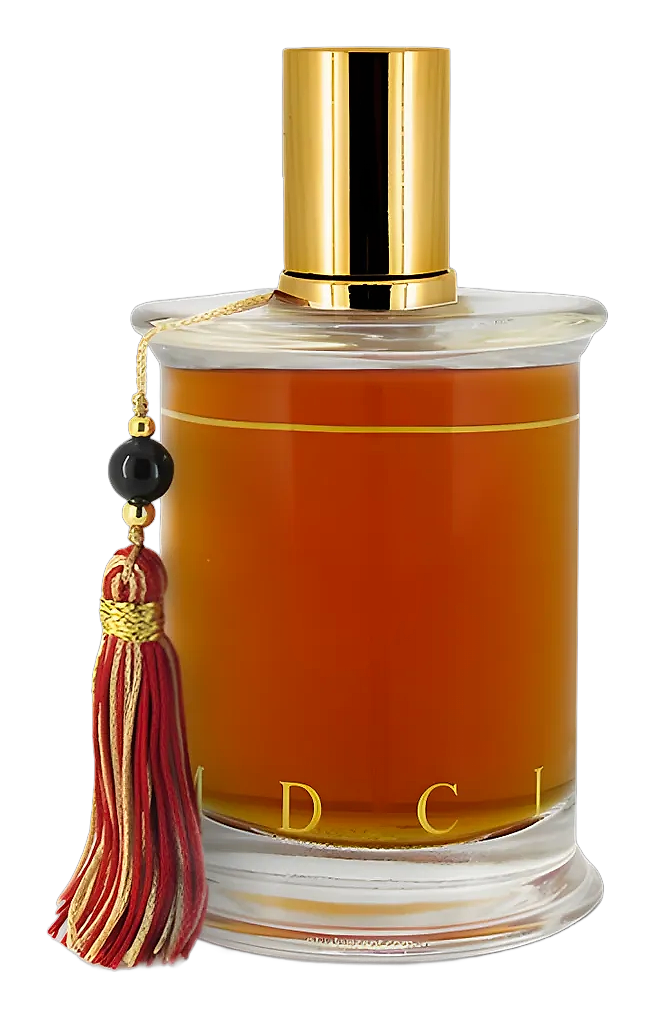
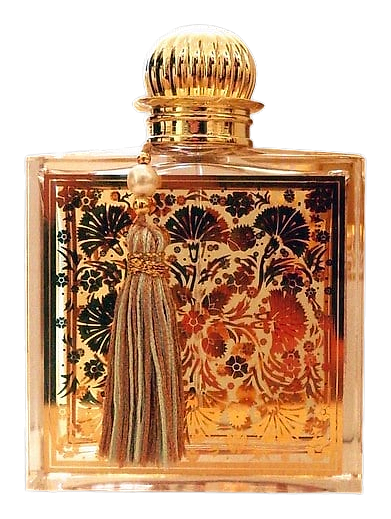
Fêtes Persanes takes its name from the grand celebrations of Persian court culture, those opulent gatherings where poetry, music, and perfume were inseparable from one another. The reference is specific: not Persian minimalism, but the richness and excess of a flourishing tradition. Cécile Zarokian built the composition around that spirit of abundance, layering spice upon spice in the heart while anchoring the whole thing in a warm, resinous base that holds for hours. It is a fragrance that understands what a celebration smells like.
What makes this work is the balance between the cool opening and the warm finish. Black pepper and bergamot arrive crisp and bright, almost astringent, before the heart of rose and spices takes over. That transition is where the artistry lives. The rose doesn't play sweet here; it plays structural, holding the cardamom and clove in place without overwhelming them. By the time vanilla and patchouli arrive, the fragrance has already made its case.
The evolution
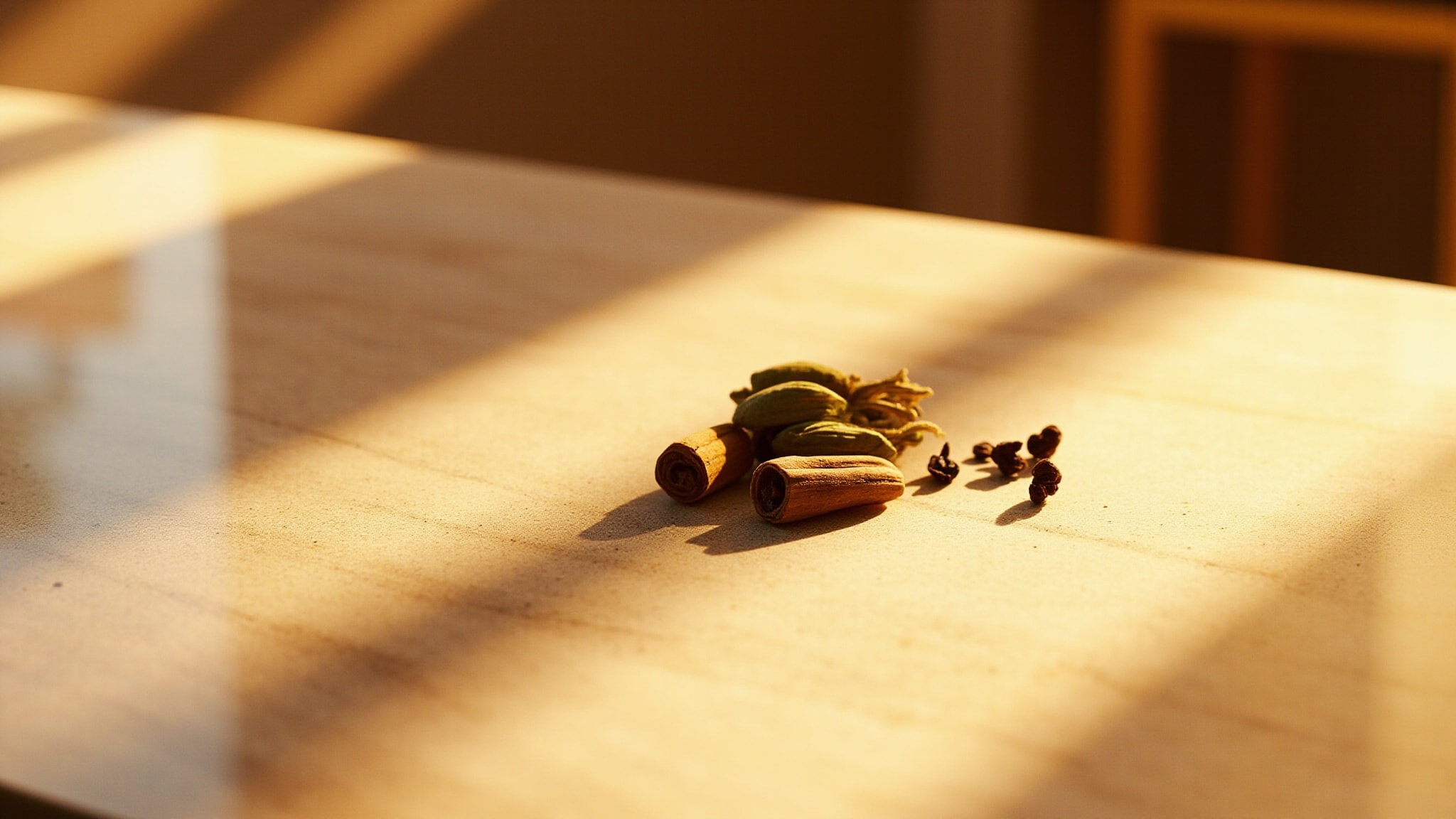
The opening is sharp and citrusy, bergamot first, then black pepper arriving like a quick exhale. Elemi adds a sticky, warm undertone almost immediately, bridging the top to the heart. Thirty minutes in, the spices dominate: cardamom and clove dominate, with cinnamon underneath, while the rose blooms quietly rather than loudly. This middle phase is where the fragrance earns its name, there is something ceremonial about it. The drydown takes its time. Vanilla and patchouli settle into the skin, with guaiac wood and cedar adding a dry, woody edge that prevents the sweetness from cloying. On most skin types, this lasts well into the evening.
Cultural impact
Fêtes Persanes occupies a specific corner of the niche fragrance world, appealing to those who want complexity without spectacle. It rewards patience, and the community that gravitates toward it tends to appreciate the way the spices shift across the wear. The fragrance's structure, moving from bright citrus-spice to warm vanilla-wood, makes it a case study in how a narrative can unfold on skin rather than in a bottle.