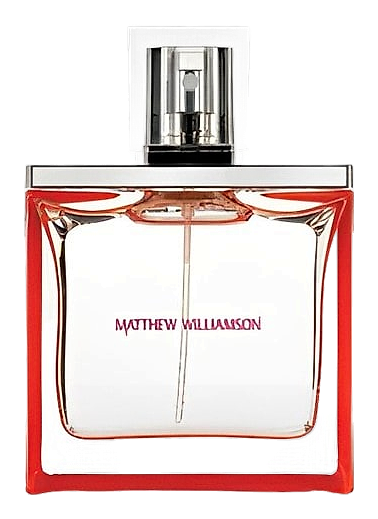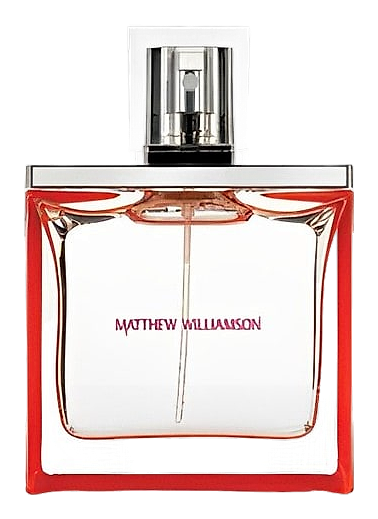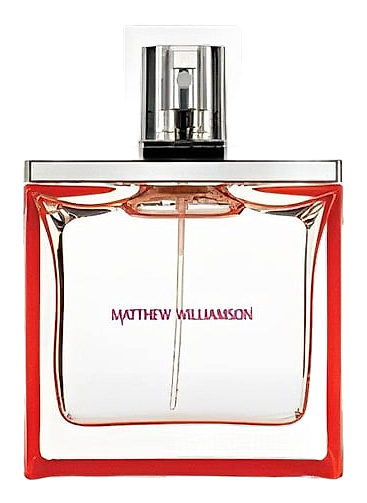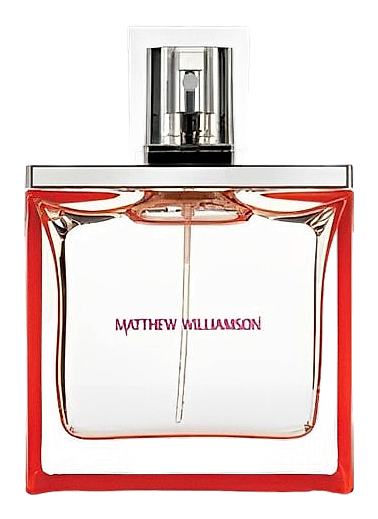
The Story
Why it exists.
The beginning
When Williamson crossed into fragrance, the partnership with Clément Gavarry produced something that owed nothing to tropical ease or floral brightness. Gavarry, associated with IFF, built the composition around intention rather than decoration, and the result was a scent built to be felt as much as smelled. Incense arrives with a gravity that earns attention quietly. Where much of the conversation around the house tends toward the luminous and sun-struck, this composition turns toward shadow. The resin sits forward from the first spray, dry and deliberate, while the surrounding accords lend texture without competing for attention. Gavarry works with frankincense and labdanum as the central axes, and patchouli moves between them in a way that gives the whole structure breath.
This composition splits the difference between incense traditions. Gavarry built around frankincense and labdanum as twin pillars, with patchouli threading between them like a restless third voice. The accord structure is spare. Three materials, each given room to speak, none allowed to flatten into the others. The restraint shows in how the composition behaves on skin: the frankincense reads cool and stony at first contact, almost architectural, before warming gradually as labdanum begins to surface from underneath.
The evolution
The opening minutes feel almost cold. Frankincense arrives sharp and clean, more stone than smoke, with a mineral edge that some readers mistake for leather. There's a whiplash moment around the twenty-minute mark when patchouli steps forward, and the composition suddenly reads warmer, earthier, less austere. That's the gear change. Labdanum settles into the second hour as the quieter anchor, sweet-balsamic without ever tipping into syrup. The drydown, which holds for a moderate stretch depending on skin, is where frankincense and labdanum finish their long negotiation, warm resin, faint smoke, and that persistent geological hum. On fabric the next morning, the patchouli is the last thing standing, still legible, still earthy, still doing its job. Across the wear, the construction rewards patience.
Cultural impact
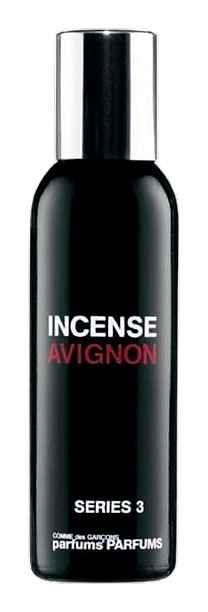
Wearers tend to describe Incense in practical terms. The CdG Avignon comparison surfaces in discussions around this composition, though it stays warmer and less austere than that reference point. The scent attracts a particular type of fragrance wearer, someone drawn to material over decoration, who values the slow reveal of resin and the absence of any obvious sweetness. Discussion around the fragrance tends to be measured rather than effusive, with attention landing on construction rather than mood. Those who reach for it tend to already have a relationship with resinous compositions, and the reception reflects that.
The House
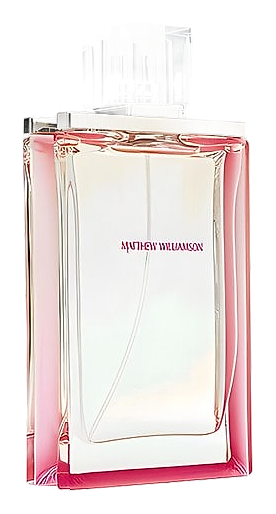
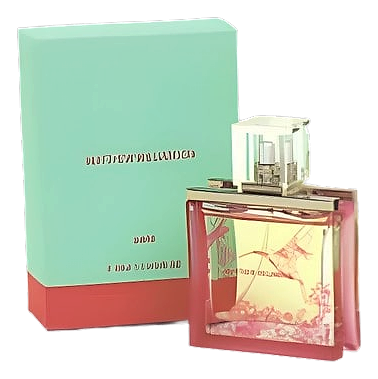
Matthew WilliamsonMatthew Williamson built his fashion house in London during February 1997, partnering with Joseph Velosa to create a label known for vivid color palettes and bold prints. The designer brought his fashion sensibility into fragrance in 2005, launching his first signature scent exclusively through Harvey Nichols before broader distribution followed. The fragrance range captures the house aesthetic of luminous, jewel-toned intensity, translating Williamson's signature print-and-color approach into liquid form. Williamson's background as a London Fashion Week fixture shaped his understanding of how scent functions alongside visual presentation. His fragrances operate as accessories to the clothing, extending the sensory identity of the brand beyond fabric and silhouette into something worn directly on the skin.
The Creator
Clément GavarryGavarry favors clear, tactile accords that invite the skin to respond. He builds structures around vanilla, amber, and soft woods, then brightens them with crisp fruits or juicy apples.