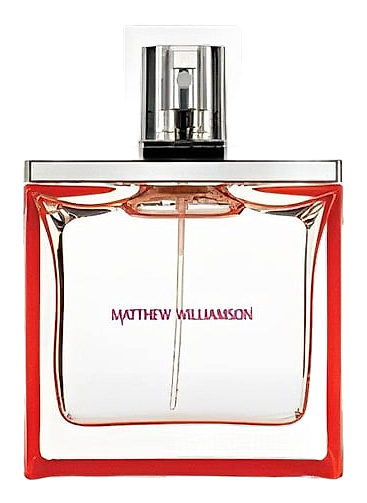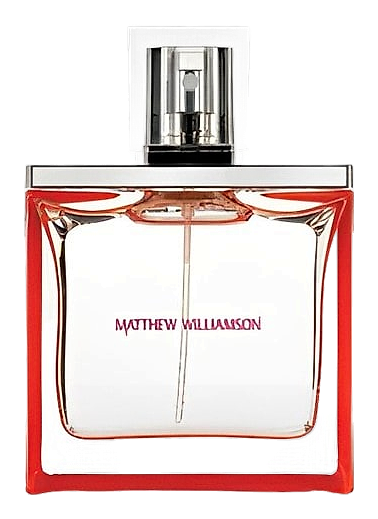

The Story
Why it exists.
The beginning
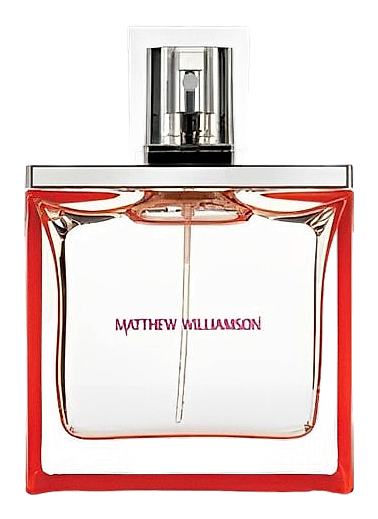
Matthew Williamson launched his London fashion house in 1997 with Joseph Velosa, building a name on vivid prints and unapologetic color. By the mid-2000s, the brand had translated its maximalist vision into fragrance, scents that announce presence rather than whisper. Warm Sand arrived in 2007, composed by Clément Gavarry. The name alone conjures something specific: late afternoon light on skin, the warmth retained in sand after hours of sun, that moment when the beach empties and the air still holds heat.
Three notes, sandalwood, musk, and ginger. The simplicity is the point. Sandalwood provides the cream, the warmth, the foundation that doesn't demand attention. Musk amplifies intimacy, keeping everything close to the skin rather than casting it outward. Ginger is the freshest element in the composition, a clean spice that opens the scent and prevents it from becoming static or overly sweet. It's warm without heaviness, woody without austerity, intimate without being invisible. That restraint, three materials doing clear work, makes Warm Sand a quiet argument for less.
The evolution
Ginger arrives first. Bright and clean, a flash of heat that doesn't burn. Within minutes the sandalwood softens that opening, introducing cream where the ginger suggested sharpness. The musk emerges as a bridge between the two, keeping the composition grounded and close. By the second hour, the ginger has largely settled and the sandalwood takes over as the dominant impression, warm, slightly powdery, the smell of something sun-heated. The drydown is quiet and long-wearing: sandalwood and musk intertwined, the warmth retained in sand as evening comes in. On most skin types, expect 4-6 hours of presence before it fades to a skin-close memory.
Cultural impact
Warm Sand entered a crowded landscape in 2007, peak era for fashion house fragrances attempting to translate ready-to-wear identity into liquid form. Matthew Williamson's approach was consistent with the brand's broader philosophy: intensity and luminosity over subtlety. The fragrance found its audience among wearers who wanted warmth without statement, comfort without compromise.
The House
Matthew WilliamsonMatthew Williamson built his fashion house in London during February 1997, partnering with Joseph Velosa to create a label known for vivid color palettes and bold prints. The designer brought his fashion sensibility into fragrance in 2005, launching his first signature scent exclusively through Harvey Nichols before broader distribution followed. The fragrance range captures the house aesthetic of luminous, jewel-toned intensity, translating Williamson's signature print-and-color approach into liquid form. Williamson's background as a London Fashion Week fixture shaped his understanding of how scent functions alongside visual presentation. His fragrances operate as accessories to the clothing, extending the sensory identity of the brand beyond fabric and silhouette into something worn directly on the skin.
The Creator
Clément GavarryGavarry favors clear, tactile accords that invite the skin to respond. He builds structures around vanilla, amber, and soft woods, then brightens them with crisp fruits or juicy apples.