The Story
Why it exists.
The beginning
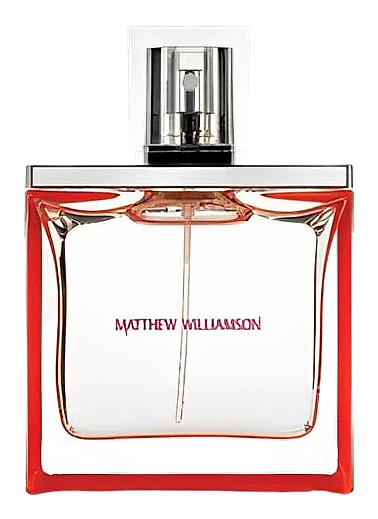
Jasmine Sambac arrived in 2007, composed by perfumer Clément Gavarry for Matthew Williamson's fragrance line. Gavarry approached it as a study rather than a statement, exploring what jasmine does across its full arc when given nothing to hide behind. The fragrance presents the flower without adornment, allowing jasmine to speak for itself across its complete lifecycle. This approach stood in marked contrast to the more elaborate offerings in the market at the time, offering a different kind of presence rooted in clarity and directness rather than complexity.
The soliflower structure means every phase of jasmine gets its moment. The green freshness of the bud, the sweet nectar as it opens, the warm intimate character of the full bloom. Most fragrances use jasmine as a bridge or a softening agent, here it carries the entire composition. Gavarry's choice to keep this in EDT concentration rather than pushing for longevity says something too. The jasmine stays close to skin, present but not performing. That's the trade: intimacy for authenticity. You get the flower as it actually smells, not as extraction often makes it.
The evolution
The opening is immediate. Green, vegetal, bright, like biting into a stem. This is the jasmine before it softens, still holding its structure. Within minutes the green recedes and the flower's sweetness emerges. Honeyed, warm, intoxicating, hypnotically sensual. An enthusiast reviewer who called it "young jasmine going through puberty" understood something real about this scent. It discovers itself as it wears. The heart phase deepens slightly, jasmine in its full blooming moment, confident but not loud. Hours in, the drydown becomes intimate. The flower settles close against skin, present but quiet. On fabric, it lasts longer, still there the next morning, faded but certain. The longevity has its limits, but those limits feel intentional rather than lacking.
Cultural impact
Soliflores have occupied a particular corner of perfumery, fragrances built around a single flower, treated with the same seriousness as complex compositions. Jasmine Sambac arrived in 2007 as a statement in that tradition. The choice to use jasmine as the sole material positioned it differently from fragrances that use jasmine to support or soften other notes. The effect is intoxicating and hypnotically sensual, a sensual interpretation that avoids the heavy indolic quality often associated with jasmine. Discontinued now, it remains sought after by those who encountered it, a reminder that restraint can leave a longer impression than excess.