The Story
Why it exists.
The beginning
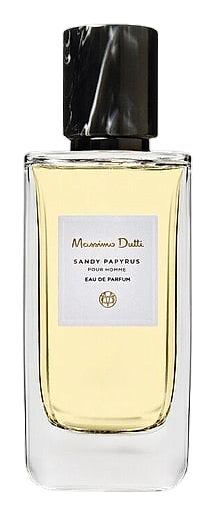
Sandy Papyrus arrived from Fabrice Pellegrin. The name itself tells you what you're getting: papyrus, that dry warmth of aged paper, and sand, something mineral and timeless beneath it. Pellegrin built the opening around basil, grapefruit, and citron to give it clarity, a crispness that says morning but without any aggressively fresh intent. Then he let the warmth come. The top notes arrive with measured precision, the citrus bright but never sharp, the basil lending an herbal undertone that keeps everything grounded. As the scent settles, the papyrus emerges more fully, that dry paper quality becoming the star, while the sand adds a subtle mineral depth that prevents the composition from feeling flat.
What makes this work is the way Pellegrin refuses to commit to one register. The citrus-herbal top is clean but not sterile. The heart, cardamom, green apple, jasmine, sits at the intersection of warm spice and quiet sweetness. Neither fully oriental, neither fully fresh. The base of sandalwood, patchouli, leather, vetiver, tonka bean, and musk gives it weight without heaviness. It's the composition of someone who knows that restraint is harder than excess, and more rewarding.
The evolution
The opening is all citrus and herbs, grapefruit and citron cut through basil's green edge, giving the first twenty minutes a clarity that feels intentional. Not aggressive, not soapy. Just bright enough to be noticed if someone leans in. Then the cardamom arrives, and the whole thing shifts. Warmth overtakes clarity. The green apple keeps it from getting too heavy, a quiet sweetness that balances the spice. Jasmine appears in the background, soft and not particularly floral, more textual than anything else. The handoff from top to heart happens cleanly, no awkward gap. By hour three, sandalwood has taken over. The drydown is where this fragrance becomes itself. Patchouli and leather ground it, vetiver adds a dry earthiness, tonka bean brings a whisper of sweetness, and musk keeps it close to skin. The lasting impression is papyrus, that dry, slightly powdery warmth of fine paper and warm wood, something you have to be near to notice. Moderate sillage. A full workday without ever filling the room.
Cultural impact
Sandy Papyrus occupies an interesting space in contemporary fragrance. Its character is dry and mineral, with papyrus providing the central warmth while sand adds a mineral quality beneath it. The citrus and herbal top notes create an initial brightness, but the fragrance quickly settles into its true nature, one that reveals itself slowly and invites proximity rather than demanding attention from across a room. The scent speaks softly, but what it says is worth leaning in to hear. It's the kind of fragrance that rewards repeat wear, each time noticing something new in the way the notes layer and evolve over hours on the skin.