
The Story
Why it exists.
The beginning
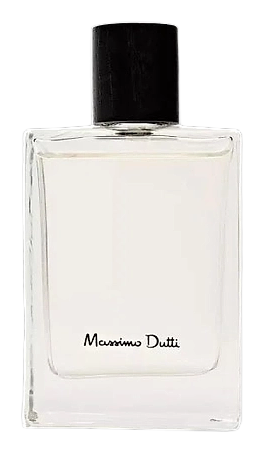
Massimo Dutti was founded in Barcelona in 1985 as a modest menswear label, growing quietly into a brand known for understated European refinement. When the label moved into fragrance, it carried that same sensibility: no loud declarations, just confident restraint. Perfumer Ane Ayo chose to work with the brand's own birth year as the fragrance name, a deliberate nod to the label's foundation. Ayo has described wanting to bottle the crispness of a Spanish spring morning, that particular quality of air and light that exists before the heat arrives. Working with Blackcurrant and Mineral Notes as structural pillars, she built the opening around a tension of tart fruit against clean mineral brightness, layering Lemon and Artemisia to sharpen the effect.
Ayo's note philosophy here was to keep the fruit notes from becoming sweet and the wood notes from becoming heavy, using Mineral Notes as a constant connective thread. The Driftwood in the base is a deliberate choice over heavier ouds or dark woods, chosen because it mirrors the brand's modern-classic positioning: refined but not fussy, substantive but not heavy. The pairing of Artemisia in the opening with Vetiver and Amber in the base creates a herbal-smoke bridge that gives the fragrance its unusual quiet complexity. Black Pepper's minimal presence in the heart is intentional too, a spice note placed just enough to keep the herbal section from feeling flat rather than to dominate.
The evolution
The opening of Blackcurrant and Lemon is the fragrance's most immediate statement. The Blackcurrant reads tart and slightly defiant, not sweet in the way berry notes often do in mainstream compositions. Lemon amplifies the brightness, but the Mineral Notes threaded through the opening prevent it from feeling ephemeral. Artemisia adds a green-bitter counterpoint that grounds the citrus and keeps the composition from reading like a generic freshie. As the fragrance moves into the heart, Cypress and Lavender soften the opening's tartness, the herbs taking over the aromatic narrative while Sage introduces a quiet savory depth. Black Pepper flickers at the edges of the heart, adding a barely-there spice that signals the transition is beginning. The drydown narrows into a woody register: Driftwood and Cedarwood provide the primary structure, dry and slightly weathered, while White Musk keeps the result skin-close rather than projecting.
Cultural impact
Wearers note the contrast of bright citrus and smoky woods, describing it as a sophisticated urban scent that fits both office and evening outings. Its mineral edge has sparked conversation among fans of modern aromatic compositions, highlighting how the fragrance captures the pulse of contemporary city life while evoking a subtle sense of timeless elegance that resonates across generations.