
The Story
Why it exists.
The beginning
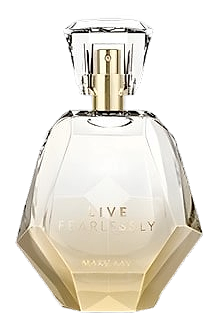
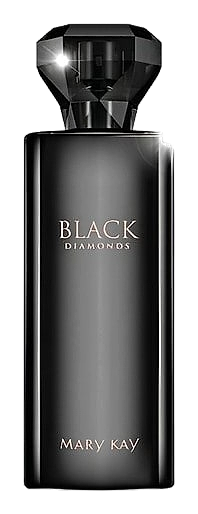
Mary Kay built its fragrance identity on a simple premise: beauty shouldn't require a reason to wear it. Founded in 1963 on a kitchen table in Dallas, the brand grew through consultants who sold perfume the same way they sold confidence, one conversation at a time. Black Diamonds arrived in 2013 from perfumer Olivier Gillotin, and the name tells you everything. Something precious, unexpected, from a brand known for showing up. Gillotin composed around that tension, what if accessible didn't mean basic? The result is a fragrance that feels polished at first encounter and comfortable by the third hour. Like the woman who wears it: put-together without performing.
The most interesting choice in Black Diamonds is pitosporum, a note you won't find in every fragrance. It brings a slightly waxy, green-floral character that bridges the fruit and the jasmine without either winning outright. Then there's cashmere wood in the base, which isn't a real wood so much as a molecular construction designed to smell like the idea of softness. In this context, those two unusual choices create something that reads as both elevated and approachable, the sweet spot between mass-market and niche.
The evolution
The opening is crisp and immediate. Pear hits bright, bergamot lifts it, and pink pepper adds a tiny spark of spice that keeps the sweetness from flattening. It's a confident start, nothing shy about it. Thirty minutes in, jasmine takes over, not the polite jasmine of a hotel lobby, but the real thing, slightly indolic, full bodied. The pear fades. The florals deepen. An hour after that, the drydown arrives: sandalwood and cashmere wood, amber and musk. Close to the skin. Intimate. The kind of trail you leave in a hallway after you've already left the room. It doesn't announce itself so much as linger, like a memory of where you've been.
Cultural impact
Black Diamonds, launched in 2013, represents Mary Kay's continued effort to elevate their fragrance line beyond typical direct-sales expectations. While Mary Kay has long been associated with accessible skincare and cosmetics, this floral-oriental composition sought to prove that approachable pricing could coexist with interesting perfumery choices. The inclusion of pitosporum, a relatively uncommon note, demonstrated a willingness to take creative risks. At a time when many mass-market brands were playing it safe with safe fruity-floral blends, Black Diamonds offered something slightly different.