The Story
Why it exists.
The beginning
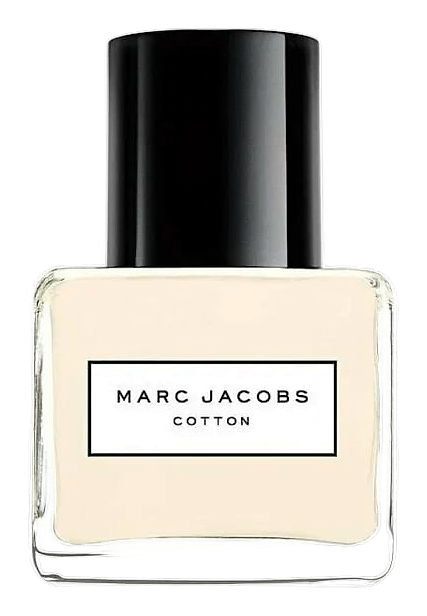
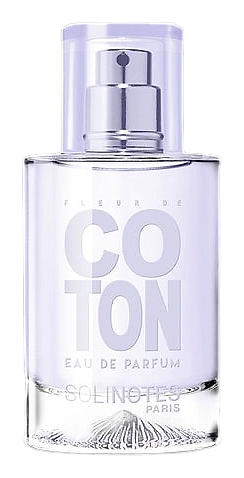
The Splash Collection began in 2006 with two fragrances: Rain and Cotton. Pear followed in 2008, and Cucumber arrived the next year. Each one was an attempt to bottle a feeling, not a place, not a person, but the texture of a specific moment. In 2016, Marc Jacobs brought all four back, redesigned but recognizably themselves. Steven Claisse, the nose behind this edition, built Cotton around a deceptively simple idea: the smell of freshly washed laundry. Just clean fabric, warm from the line, carrying the quiet satisfaction of something pure and unadorned.
What makes this interesting is that cotton is an idea, not a note. There's no raw material called cotton in perfumery, so Claisse had to construct the sensation. He used aquatic and citrus to suggest cleanliness, then layered in cotton flower (a relatively recent perfumery note), white florals, and soft suede to evoke the texture of fabric rather than just its smell. The result is a fragrance that behaves like a memory: you recognize it before you can name it. The suede in the base is the quiet genius here, it gives the drydown warmth and a hint of skin-without-sweat, grounding the airiness into something wearable rather than ephemeral.
The evolution
The opening is citrus and aquatic, bergamot and mandarin blending with a watery accord that reads more like the smell of rain on stone than any single note. Bright, but not sharp. Then the florals arrive. Not all at once. Cotton flower moves in first, followed by jasmine and lily of the valley. The effect is clean and soapy in the best possible way, the smell of hands after washing them, not of perfume applied to skin. The base does the real work. Musk, suede, sandalwood. The citrus has dissolved. The florals are fading. What remains is the quiet warmth of fabric worn close to the body, a faint trace of white woods that lingers on the skin for hours, settling into a soft, intimate presence that feels like part of you rather than something applied from outside.
Cultural impact
Cotton Splash occupies a specific niche in the modern fragrance landscape: the clean, inoffensive scent that people reach for when they want to smell good without thinking about it. It's the fragrance equivalent of white jeans and a simple T-shirt, not trying to make a statement, but making one anyway.
The House
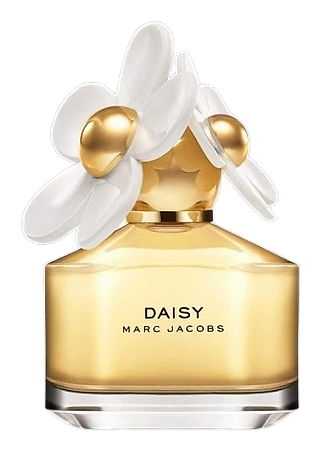
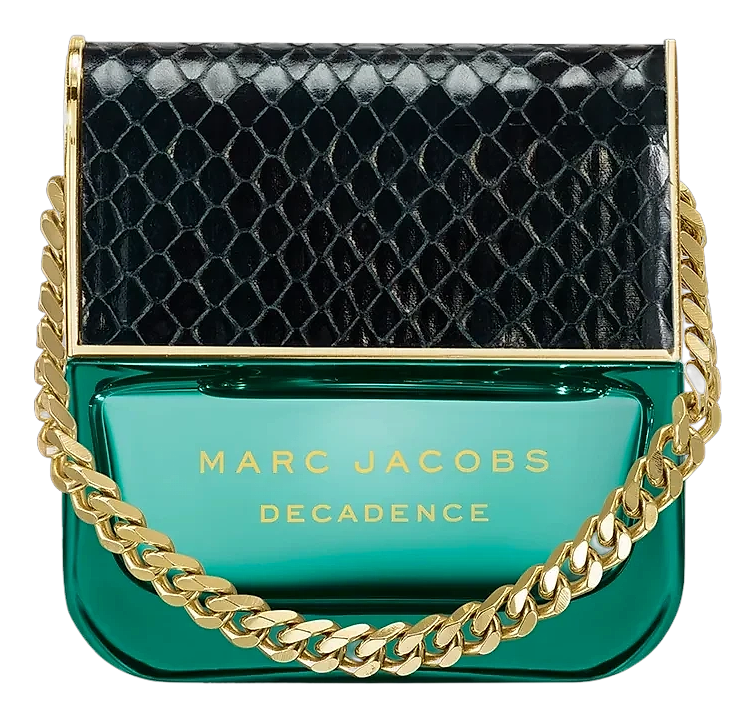
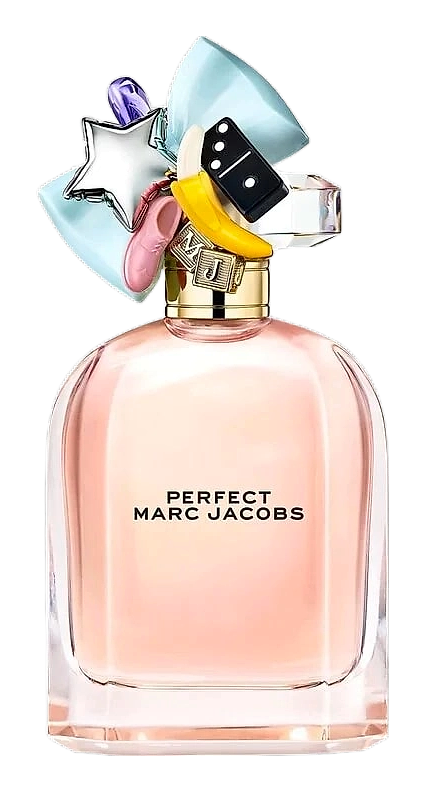
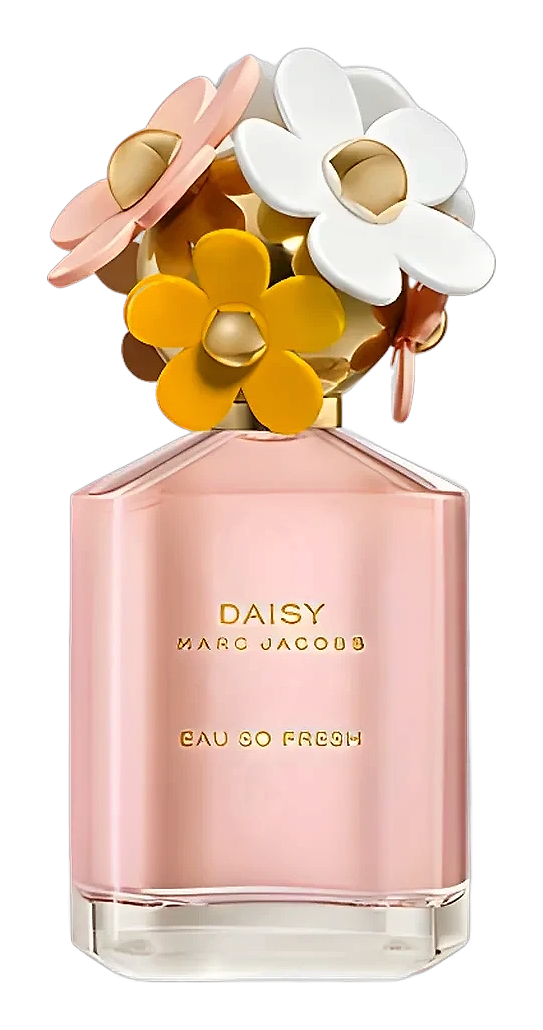
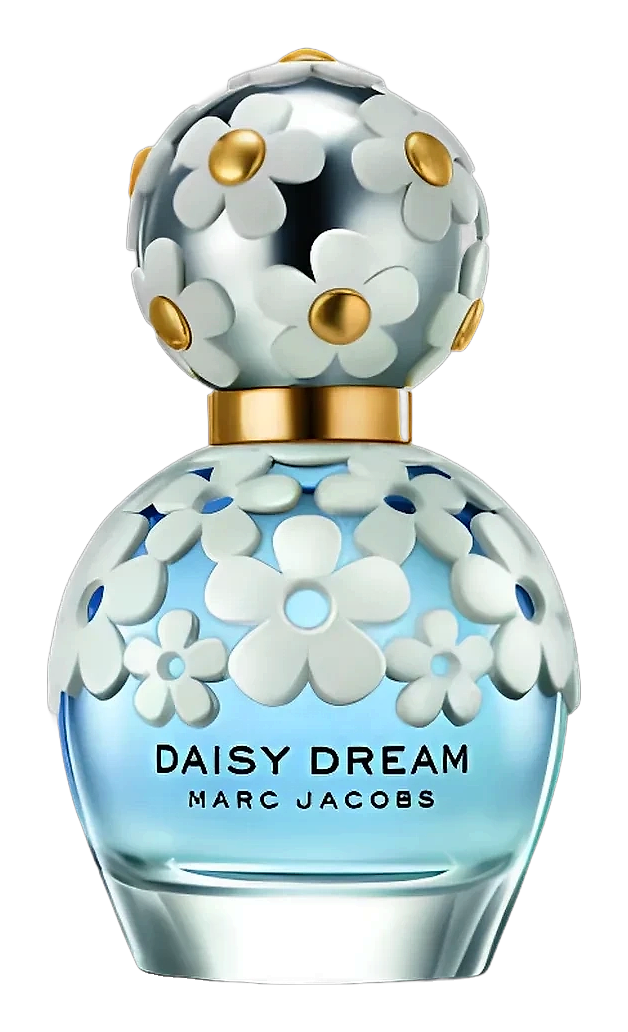
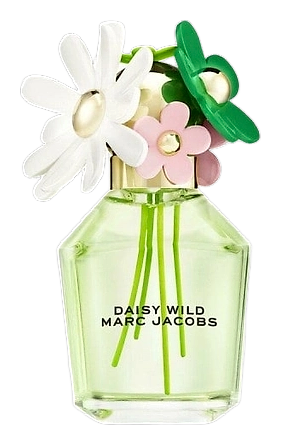
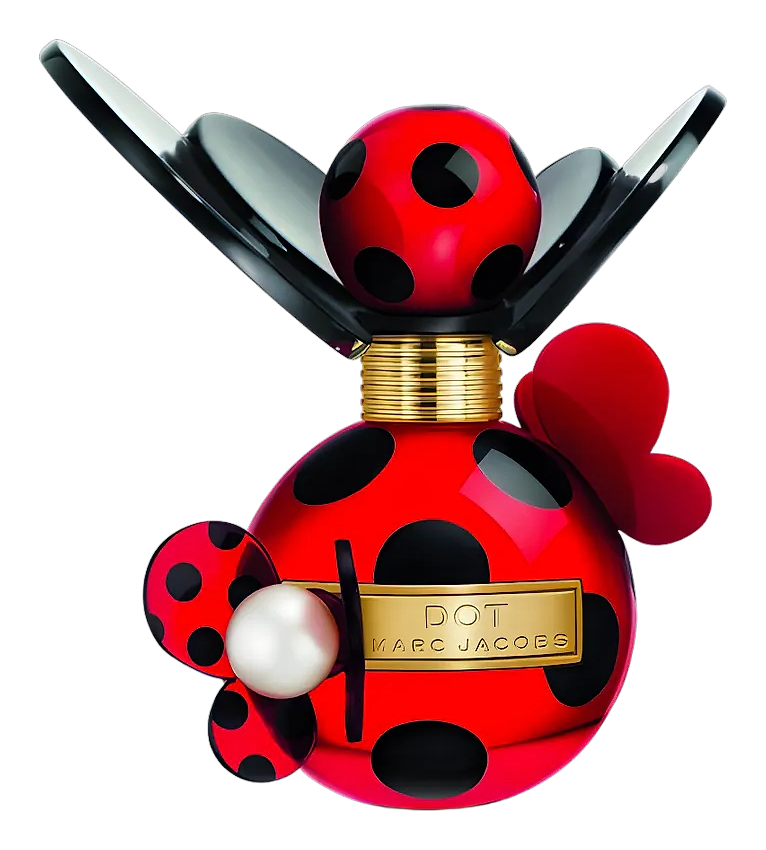
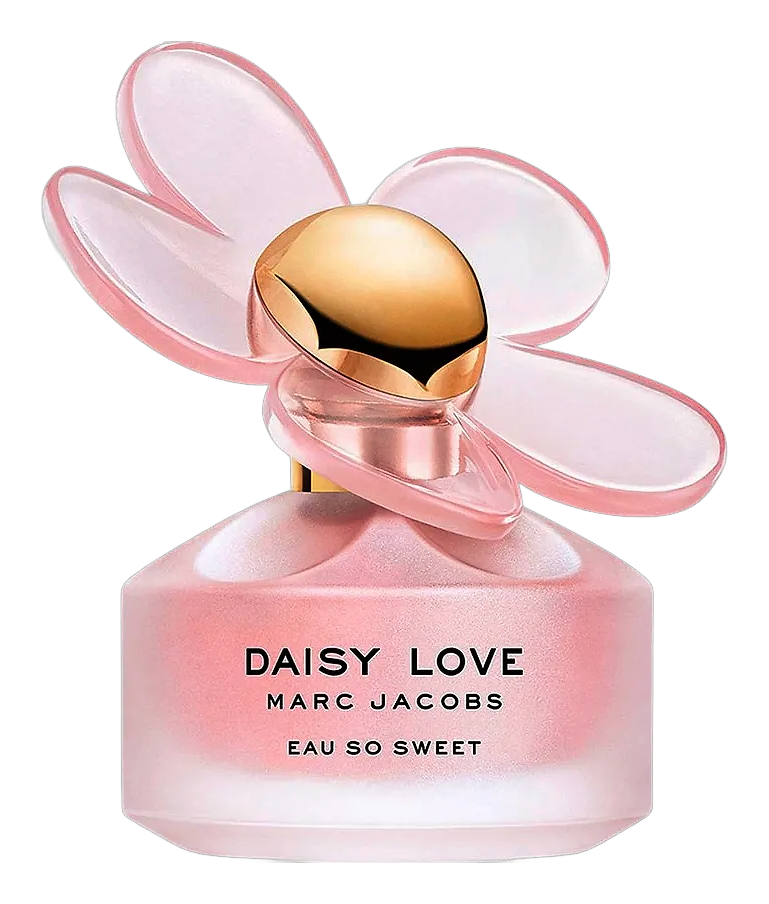
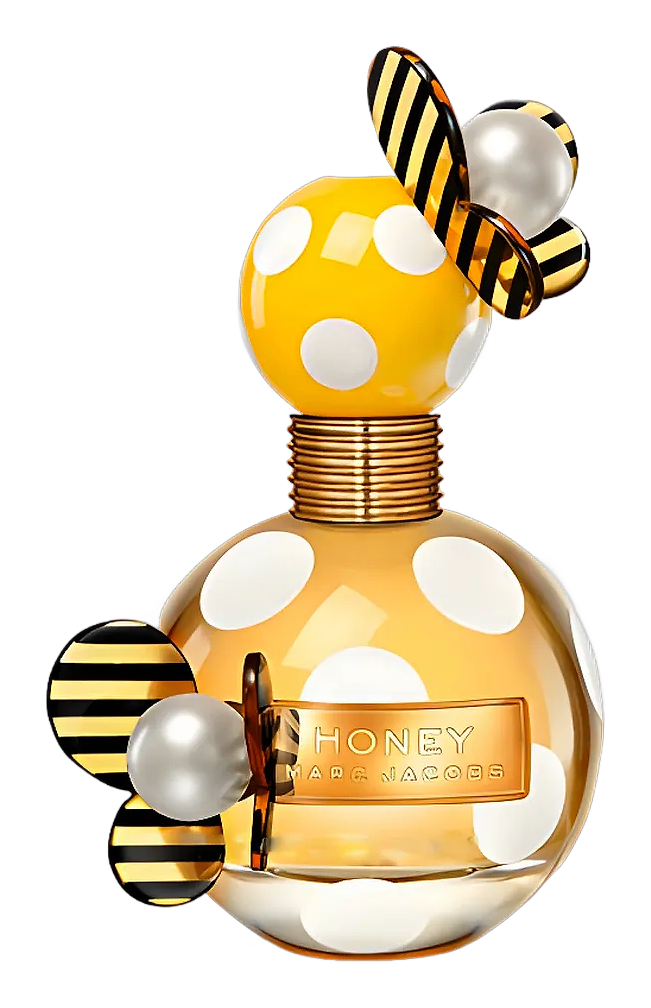
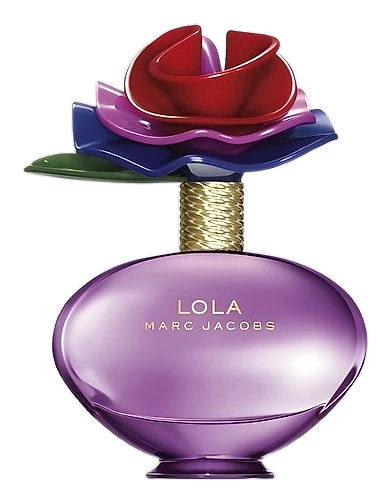
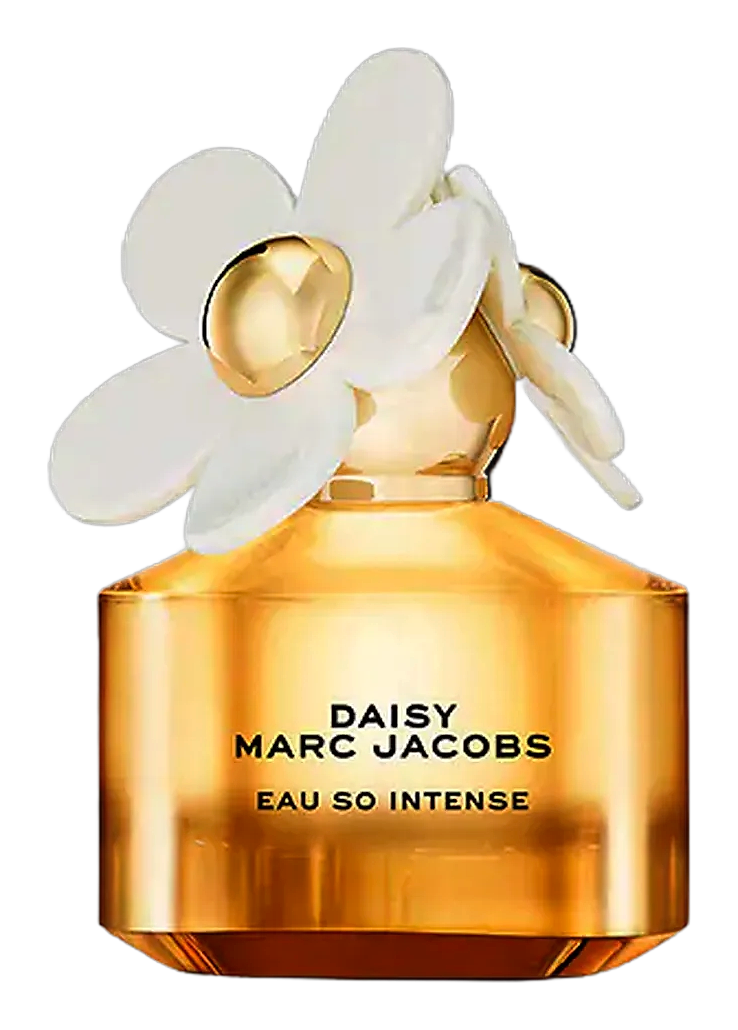
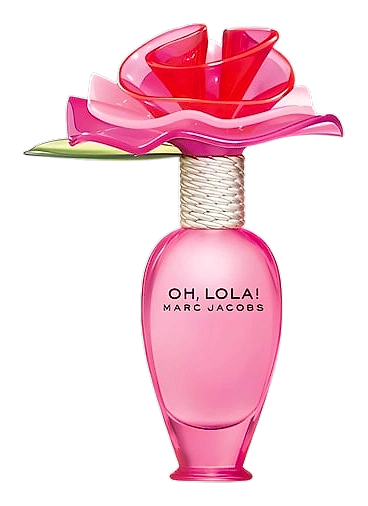
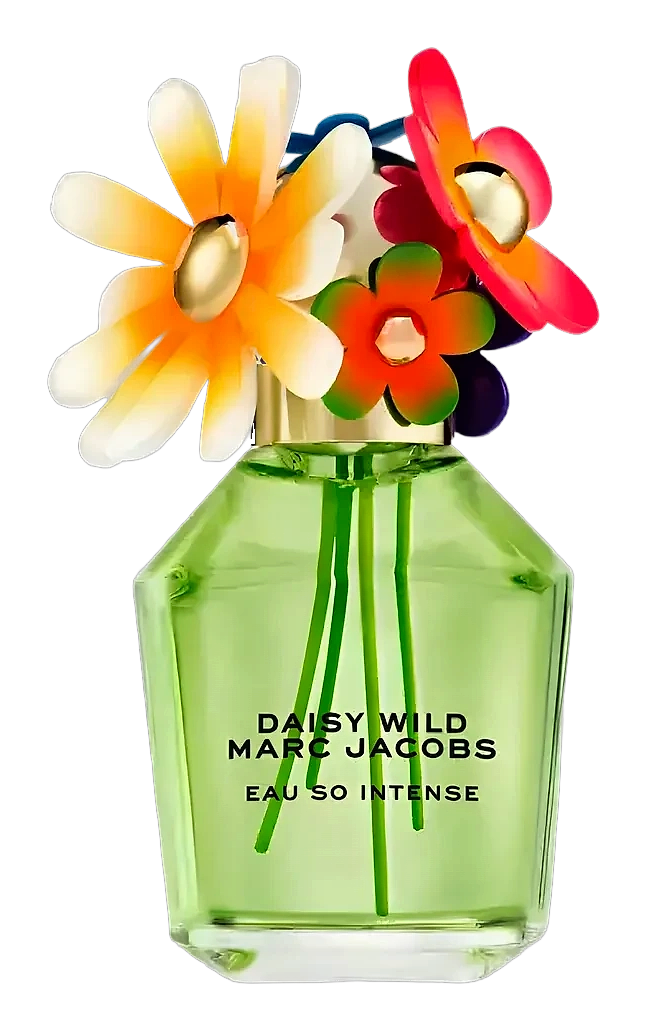
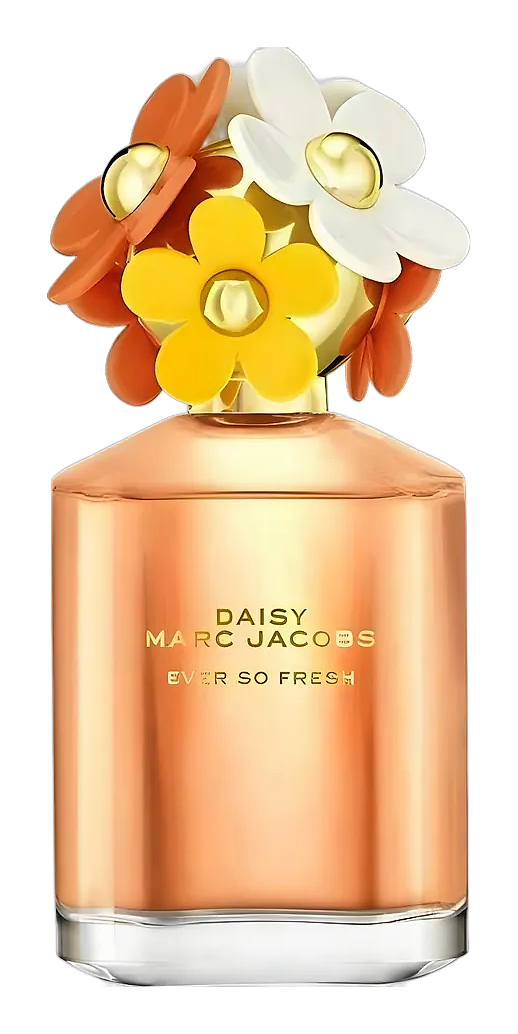
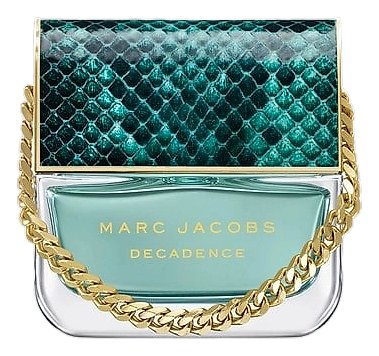
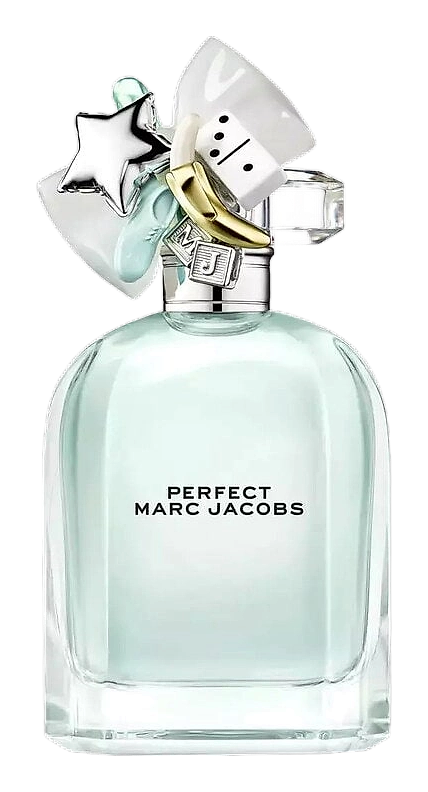
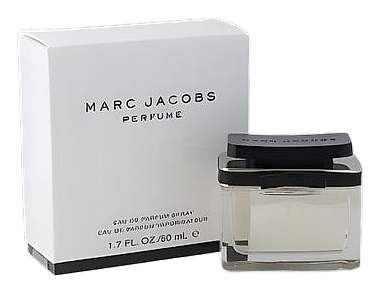
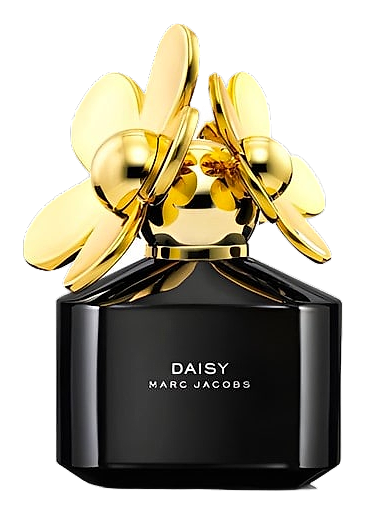
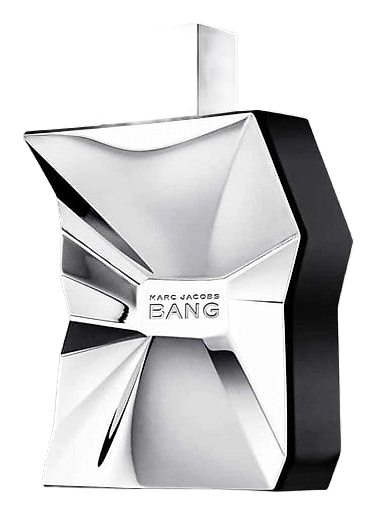
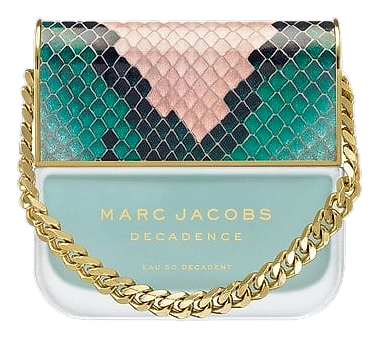
Marc JacobsMarc Jacobs fragrances, produced under license by Coty, launched in 2001 with Marc Jacobs for Women, followed by a companion men's scent in 2002. The brand has since built an extensive portfolio of fragrances anchored by signature lines including Daisy (2007), Lola (2009), Decadence (2015), and Perfect (2020). Daisy, named after Daisy Buchanan from F. Scott Fitzgerald's The Great Gatsby, quickly became a defining success for the brand, spawning numerous flankers and variations across multiple collections. The line's visual identity, with its oversized daisy cap atop a clean bottle, became one of the most recognizable silhouettes in contemporary perfumery. Decadence introduced a handbag-shaped bottle on a gold tasselled chain, a notably unconventional vessel for fragrance at the time of its launch. The brand has collaborated with a broad roster of perfumers over the years, including Annie Buzantian, Ann Gottlieb, Steve DeMercado, Loc Dong, Alberto Morillas, and Calice Becker, among many others. Marc Jacobs fragrances are available at major department stores worldwide and online.
The Creator
Steven ClaisseClaisse favors a clean‑cut structure: a bright top, a clear heart and a subtle dry‑down. Citrus, green leaves and light spices dominate his openings, while heart notes often feature soft florals or aromatic herbs.