
The Story
Why it exists.
The beginning
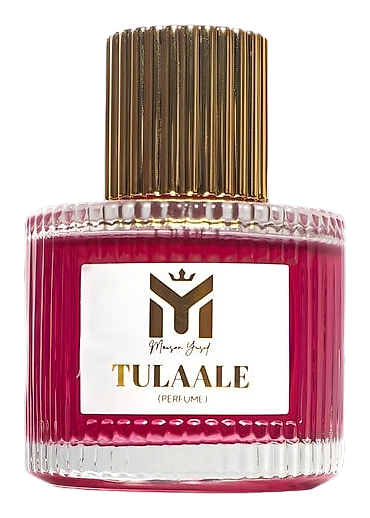
Tulaale takes its name from the Hausa word for perfume, a direct linguistic claim from Maison Yusif that situates the fragrance inside a specific African vocabulary. Released in 2024 as part of the brand's limited edition catalogue, it leans immediately into a fruit-forward opening anchored by red apple and tangerine, a pairing that reads as generous and edible, almost confectionary in its generosity. The red apple brings a crisp, almost bruised sweetness, while the tangerine contributes a brighter, zestier lift, the two notes stacked together so the citrus sharpens the fruit's candied edges. From there the composition pivots into a floral heart of Bulgarian rose, jasmine, and orchid, three materials that carry their own distinct weights.
What makes Tulaale structurally interesting is the tension between its fruity opening and its grounded base. Forest fruits, tangerine, and red apple carry a near-gourmand energy in the first minutes, bright and unapologetic, reading almost like a bowl of ripe fruit left out in late afternoon light. Then the heart lands six notes deep: Bulgarian rose, jasmine, orchid, lily, cedar, and orchid cactus.
The evolution
Tulaale opens loud. The first minutes are a near-edible burst: red apple flesh, tangerine pulp, and a scatter of forest berries that register almost jammy before the citrus sharpens the edges. It smells like a fruit bowl caught in motion, vivid and immediate, the kind of opening that announces itself before you've even lifted your wrist. Then the florals begin their takeover. By the half-hour mark, Bulgarian rose and jasmine have replaced the fruit's brightness with something creamier and more opaque, the composition turning denser and more introspective. Orchid cactus adds a cool, almost vegetal snap underneath, a green note that keeps the bouquet from feeling syrupy. The lily and cedar settle in as supporting architecture, lending shape to what would otherwise be a loose floral cloud.
Cultural impact
Tulaale, named from the Hausa word for perfume, sits as a graceful, limited-edition statement piece for collectors interested in the West African conversation happening at the niche level. The fragrance's name itself does much of the cultural work, grounding the composition in a specific linguistic tradition before a single note is even applied. Its release adds to a growing catalogue of African-helmed compositions entering niche distribution, and its fruit-forward opening paired with a grounded, resinous base offers a profile that reads as both contemporary and rooted.