
The Story
Why it exists.
The beginning
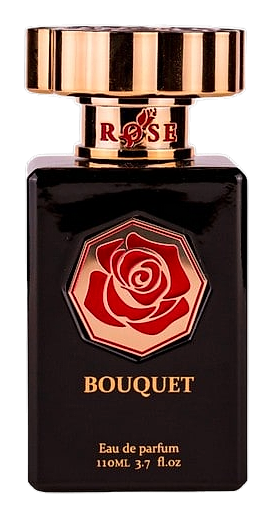
The Rose Collection started with an idea: what if rose wasn't a supporting note but the whole statement? Maison Asrar wanted a floral that didn't soften itself for politeness. The answer was Rosé Bouquet, a garden in full bloom, unapologetic and deliberate. Raspberry and apple lift the top, giving the rose room to arrive on its own terms rather than sneaking in quietly. The brief was simple: make rose the main character and surround it with enough fruit and warmth to earn the name.
What makes Rosé Bouquet interesting is the counterweight. Rose plus fruit could easily become confection, sweet, one-dimensional, gone in an hour. The moss and amber in the base prevent that. Moss is the grounding argument against sweetness: cool, damp, slightly earthy. It doesn't fight the rose. It gives the rose something to stand on. Jasmine threads through the heart, adding a slightly indolic quality that keeps the florals from smelling purely cosmetic. The blackcurrant brings a tartness that cuts through the sugar. Each layer has a job. The fragrance earns its name by being more than just the title.
The evolution
The opening hits fast and fruity. Bergamot, grapefruit, lemon, a citrus quartet that doesn't wait around. Within minutes, raspberry joins and the sweetness amplifies. The rose doesn't rush. It arrives around the 15-minute mark, taking its place among blackcurrant and peach, and the composition shifts from bright to warm. That transition is where Rosé Bouquet earns attention, the citrus fades but the fruit stays, and the rose settles in like it owns the space. The drydown is where moss does its work. Cool, slightly damp, faintly green, it keeps the sweetness honest. Amber and vanilla linger on skin for hours, intimate and close. Not a projection fragrance. A conversation-starter at arm's length, a signature at the wrist.
Cultural impact
Rosé Bouquet sits within Maison Asrar's Rose Collection, part of the brand's broader exploration of florals that bridge Arabic heritage and global modernity. Rose as a note carries different weight across cultures, in Western perfumery it's romantic and feminine; in Arabic traditions it's often more resinous, richer, sometimes paired with oud. This composition leans toward the universal appeal of rose as the centerpiece, surrounded by fruit and grounded in moss. The result is a fragrance that reads as both accessible and distinctive in a crowded floral-fruity category.