
The Story
Why it exists.
The beginning
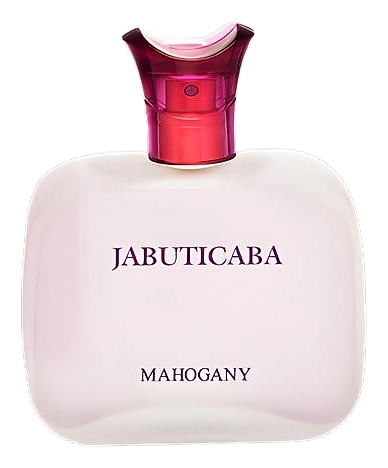
Jabuticaba is named after the Brazilian fruit that grows directly from the trunk of its tree, a small, dark berry that seems to bloom from the wood rather than the branch. Mahogany's composition translates that strange, almost surreal sweetness into a floral fruity frame, pairing berries and blossoms over a woody, musked base. The opening bursts with that curious trunk-ripened quality, a jammy, purple-fleshed sweetness layered with soft petals that feel plucked from the same branch the fruit hangs from. As the hours pass, the berries recede into something quieter, and the wood and musk surface to hold everything in place. What lingers is warm but never heavy, a quiet sweetness wrapped in smooth, grounded woods.
What makes the structure interesting is the tension between the top and the base. Bergamot, blackberry, and blackcurrant burst cold, almost sparkling, then the composition pivots into orange blossom and freesia at the heart, soft and slightly powdery. The base does the real quiet work: sandalwood and musk rounding everything out into something that reads woody but never heavy. That contrast between bright fruit and grounded wood is the whole architecture, and it works because neither side overwhelms the other.
The evolution
The first twenty minutes are all fruit. Blackberry opens sweet and slightly tart, joined by bergamot's brightness and the darker tang of blackcurrant, close to the skin and undeniably juicy. Then the orange blossom and freesia move in, softening the fruit into something rounder and more floral, almost creamy, like the difference between biting into a berry and smelling one in a vase of cut flowers. Raspberry adds a second wave of fruit sweetness that bridges the heart into the base. By the two-hour mark the musk and sandalwood have taken over, and the berries fade into a warm, slightly sweet woodiness that sits close to the skin. It doesn't project dramatically in the final hours, but it stays, quiet and consistent, the kind of scent a coworker might notice an hour after you've sat down. The drydown is clean, soft, and faintly sweet, more like warm skin than like any single note.
Cultural impact
Jabuticaba carries the unusual distinction of being named after a real fruit, the jabuticaba berry that grows directly from tree trunks in Brazil, giving it a more specific identity than most fruity florals. The fruit itself is a small, dark, almost black berry with a translucent white flesh inside, known for the strange and beautiful way it clusters thickly along the bark of its tree rather than hanging from branches. Translating that image into a wearable scent gives the fragrance a built-in sense of place and strangeness that few fruit-themed compositions manage.