The Story
Why it exists.
The beginning
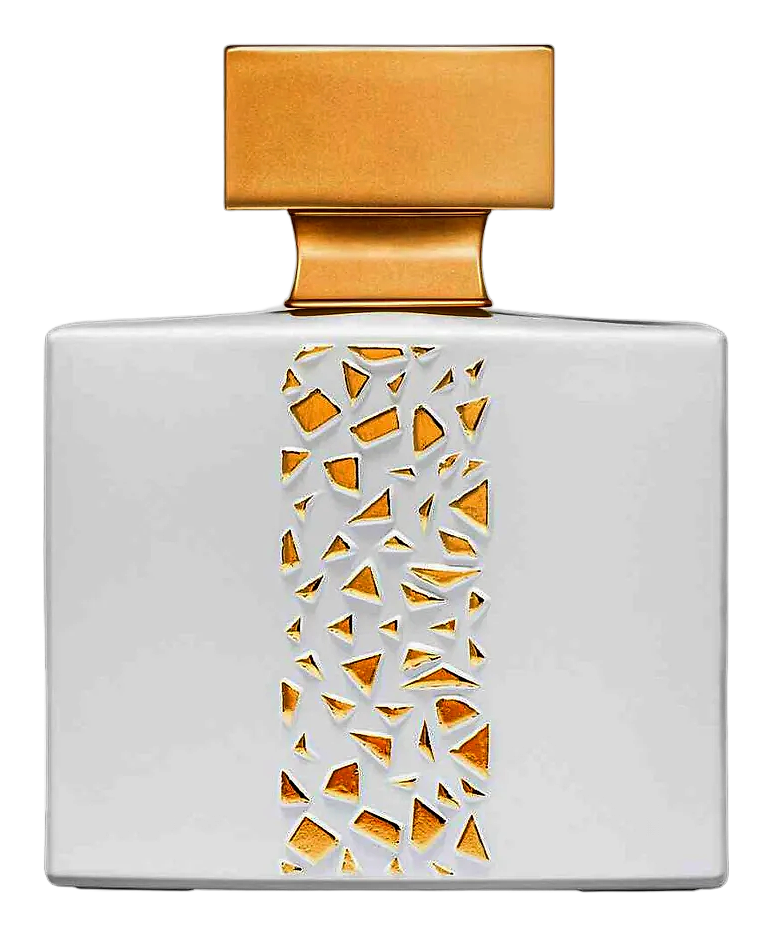
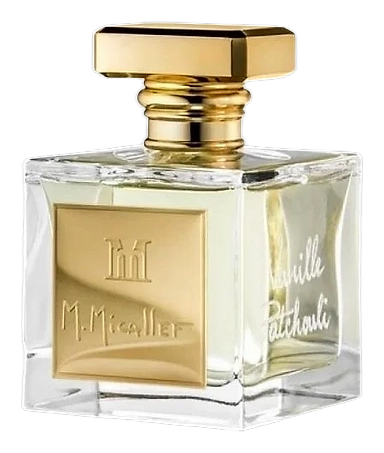
M. Micallef introduced Vanille Patchouli in 2017, drawing on Grasse perfumery traditions to bridge the house's signature gourmand character with a more grounded, woody sensibility. The brand sought a fragrance that could satisfy those drawn to vanilla's warmth without surrendering complexity. The perfumer approached this by building a structure where spice, florals, and woods each play a defined role, creating something that reads as both comforting and substantial rather than merely sweet.
The note philosophy here reflects a deliberate tension: sweet elements like praline and vanilla are never allowed to dominate unchecked. Instead, nutmeg and saffron provide counterbalancing spice, patchouli supplies earthy grit, and jasmine offers a floral anchor that keeps the fragrance from becoming one-dimensional. This structure makes Vanille Patchouli particularly versatile, as the competing elements create a dynamic that holds attention without overwhelming in most settings.
The evolution
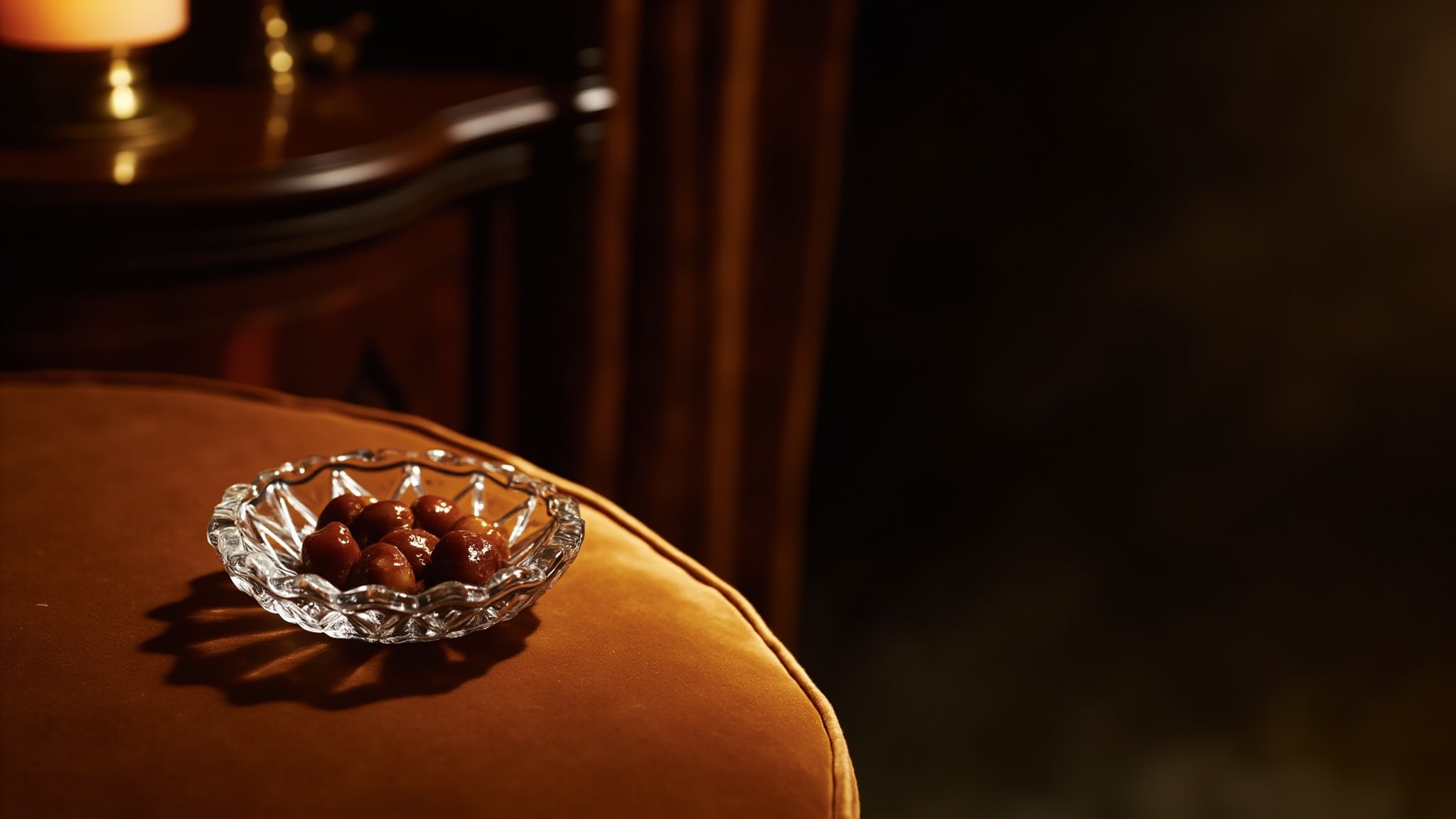
The fragrance begins with an immediate warmth from nutmeg and pink pepper, their spice striking skin like a match struck in a warm kitchen. Mandarin orange appears briefly, a flash of citrus brightness that prevents the opening from becoming heavy. As this subsides, praline takes over as the heart's dominant note, its toasted hazelnut character softened by ylang-ylang and jasmine, which keep the gourmand aspect from tipping into confectionery. By the drydown, vanilla and patchouli claim the stage, the vanilla creamy and pervasive while the patchouli keeps everything from floating away into pure sweetness. Sandalwood and musk then settle into skin, extending the wear into something intimate and lasting.
Cultural impact
Vanille Patchouli draws on a long tradition of combining sweet vanilla with earthy patchouli, a practice rooted in Mediterranean perfumery dating back centuries. The blend reflects the historic trade routes where vanilla beans traveled from the tropics and patchouli leaves were harvested in colonial farms, symbolising a meeting of exotic sweetness and grounded spice that has appealed to both aristocratic courts and modern streetwear culture.