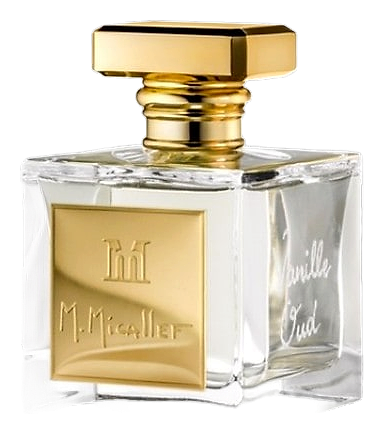
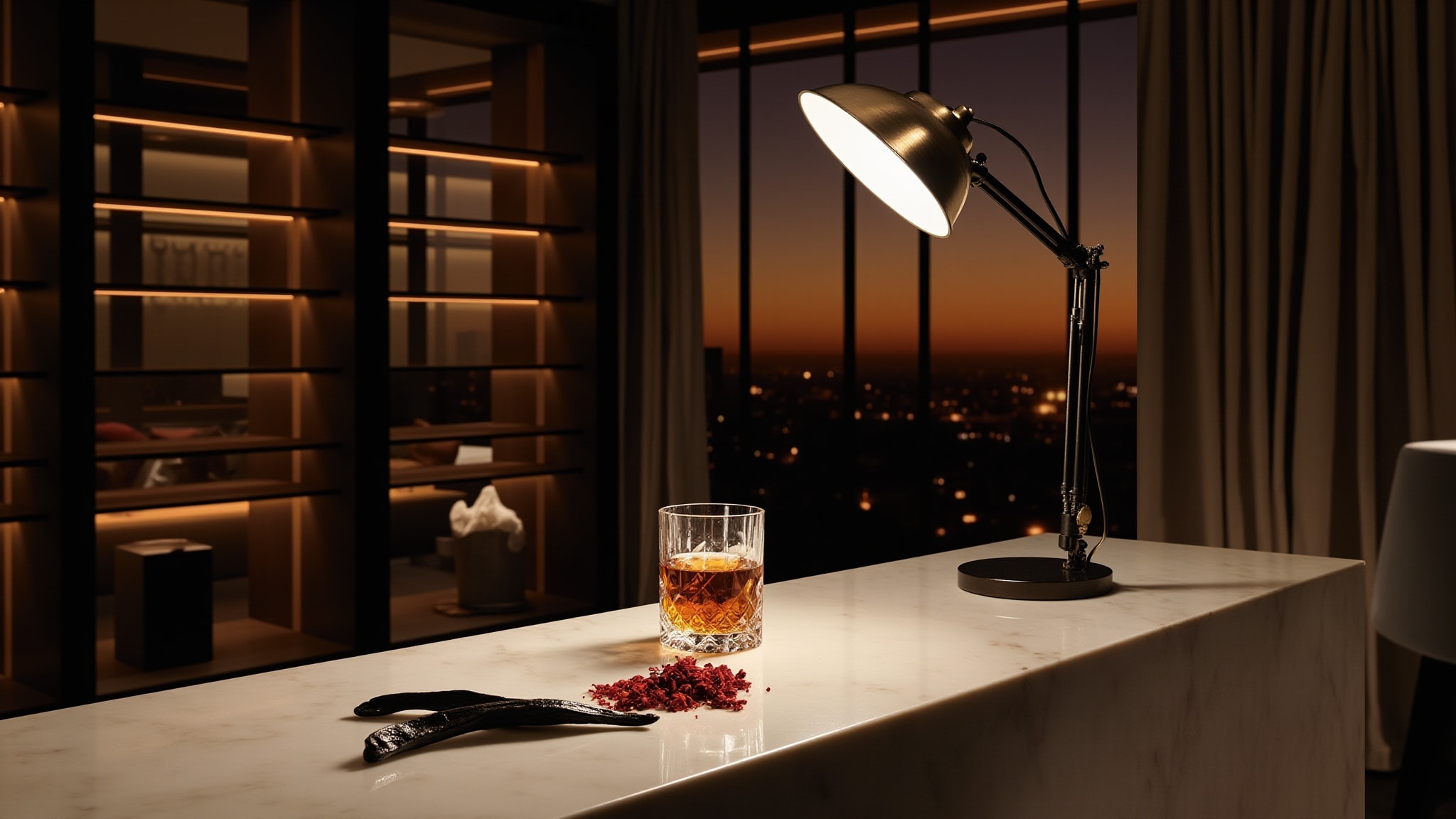
The Story
Why it exists.
The beginning
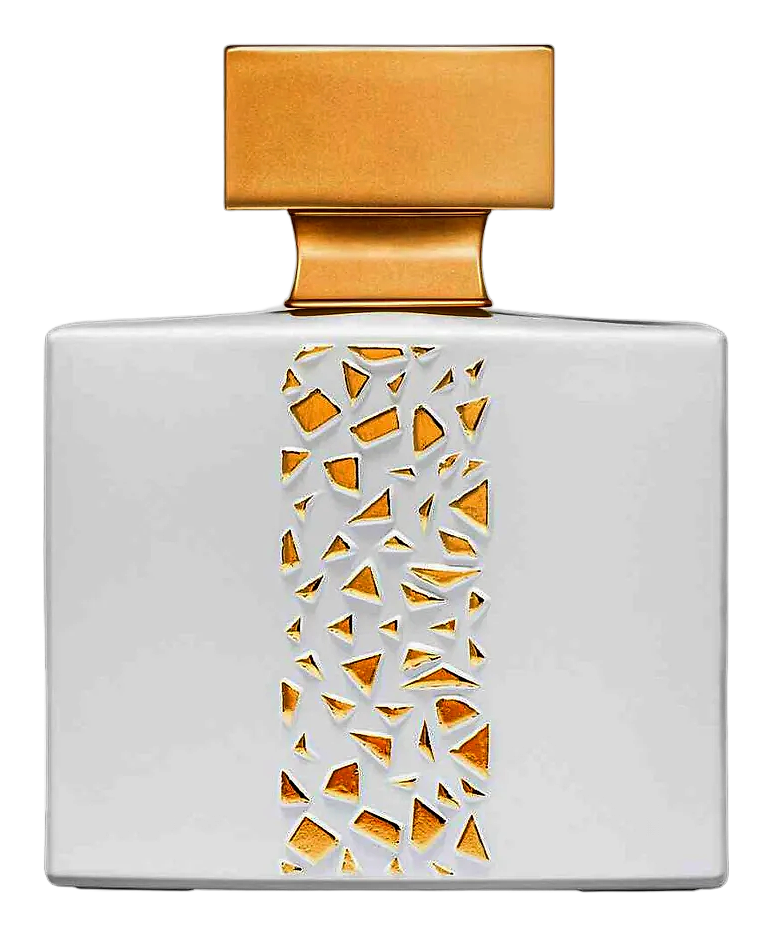
Vanille Oud arrived in 2017 from M. Micallef, and the composition reads as a deliberate study in tension. Two ingredients that rarely share space without one dominating are forced into a dialogue, and the result feels more indulgent than aggressive. The vanilla carries a natural, almost creamy sweetness rather than the bakery-case sugar of obvious gourmands, and the oud sits at a register that feels warm and resinous without the sharp, barnyard edges that can make the ingredient divisive. The name is literal, the intent anything but. This is oud without the harshness, vanilla without tipping into sweetness. The pairing could feel indulgent rather than aggressive, and that balance is what gives the fragrance its center of gravity.
What makes the structure interesting is the restraint applied to a genre that usually rewards excess. The saffron and cinnamon do the spicy work early, but they're never loud enough to bury the woods. Cashmere wood, sandalwood, and patchouli form a creamy heart that reads almost like suede, bridging the spice top to the gourmand base without any harsh pivot. Madagascar vanilla in the drydown carries natural sweetness that caramel and amber deepen.
The evolution
The opening belongs to spice. Saffron, cinnamon, and nutmeg arrive together, warm and slightly sharp, with a thread of rose threading through them like ribbon through wrapping paper. As the composition settles, the rose fades and the wood core takes over. Sandalwood and cashmere wood build a creamy, suede-like middle that softens everything. Patchouli lurks underneath, adding depth without making the scent feel dark. The caramel and vanilla start emerging as the drydown unfolds, and this is where the fragrance settles into its real character. The sweetness builds slowly, never cloying, warmed by amber and grounded by white musk. In the later stages of wear, it becomes a close-to-skin drydown of vanilla and soft wood, a trace of warm spice still clinging to fabric.
Cultural impact
Vanille Oud holds its own by being less precious about both of its named ingredients. It doesn't lean on oud as a status symbol or treat vanilla as a simple dessert note, and that refusal to over-perform is part of what makes it readable as a fragrance rather than a reference. The composition wears closer to skin than some of the louder oud-vanilla pairings in the same family, keeping the gourmand pull without overwhelming the room. The saffron and rose at the top give it enough personality to stand apart from the obvious comparisons, and the drydown settles into a warmth rather than a wall of sweetness.