The Story
Why it exists.
The beginning
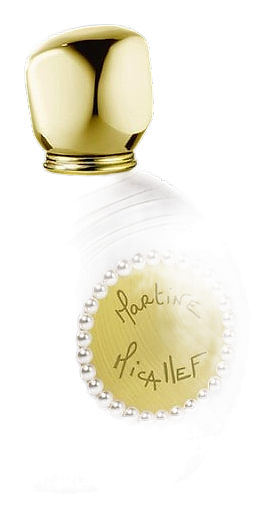
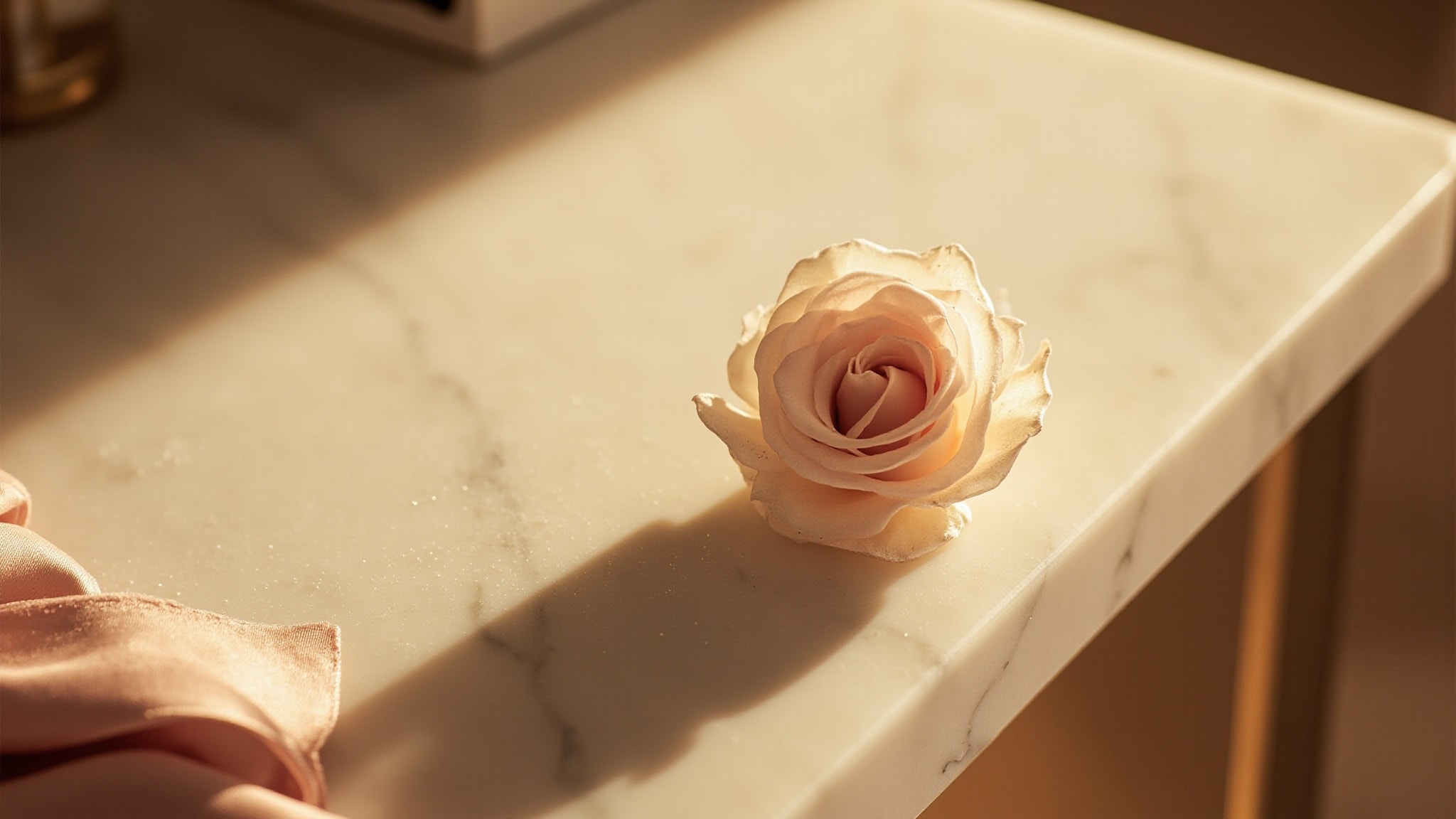
Mon Parfum Pearl arrived in 2018, composed by Jean-Claude Astier for a French house. The name is the concept: pearl as a metaphor for something precious and luminous. Astier built this around May rose and peony, two florals that work together with heliotrope's powdery whisper and a white musk that grounds everything. The overall effect is one of soft elegance, where the floral notes remain in conversation with each other throughout the wear, creating a scent that feels both refined and inviting. The balance between freshness and warmth gives the fragrance its distinctive character, with each element supporting the others rather than competing for attention.
What makes Mon Parfum Pearl work is the balance between fruity and powdery. The blackberry and mandarin open bright, giving the composition a lively start. Heliotrope adds a certain softness to the blend, and the white musk provides a clean base. The vanilla pod in the base keeps the drydown warm while maintaining an overall sense of harmony and grace. The combination creates layers that unfold gradually, with the fruity notes gradually giving way to the powdery undertones that define the fragrance's character.
The evolution
The opening introduces mandarin and blackberry, which lift the rose into something brighter. Then the peony arrives, and the composition shifts from fruity to floral-powdery. The heliotrope amplifies, adding depth and dimension to the evolving scent. As time passes, the vanilla pod and white musk take over, and the rose deepens, becoming more nuanced and layered. What remains is a faint trace of powder and vanilla, a subtle and elegant presence that lingers on the skin. The progression feels organic, with each stage building naturally on what came before.
Cultural impact
Mon Parfum Pearl represents a distinctive take on floral fragrance design. The composition balances delicate floral notes with subtle depth, creating something that feels both refined and approachable. It's the kind of fragrance that feels appropriate across various occasions, offering a sense of composure and confidence to those who wear it. The powdery-floral character gives it a particular quality that sets it apart from more straightforward floral fragrances, making it an interesting option for those exploring niche perfumery.

















