The Story
Why it exists.
The beginning
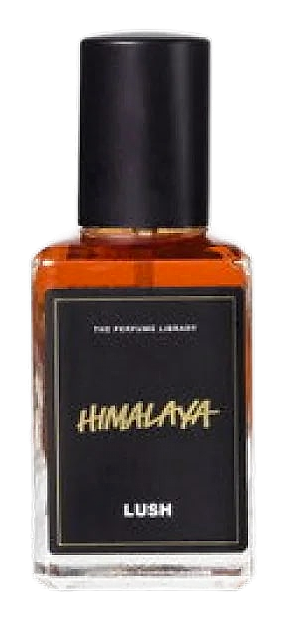
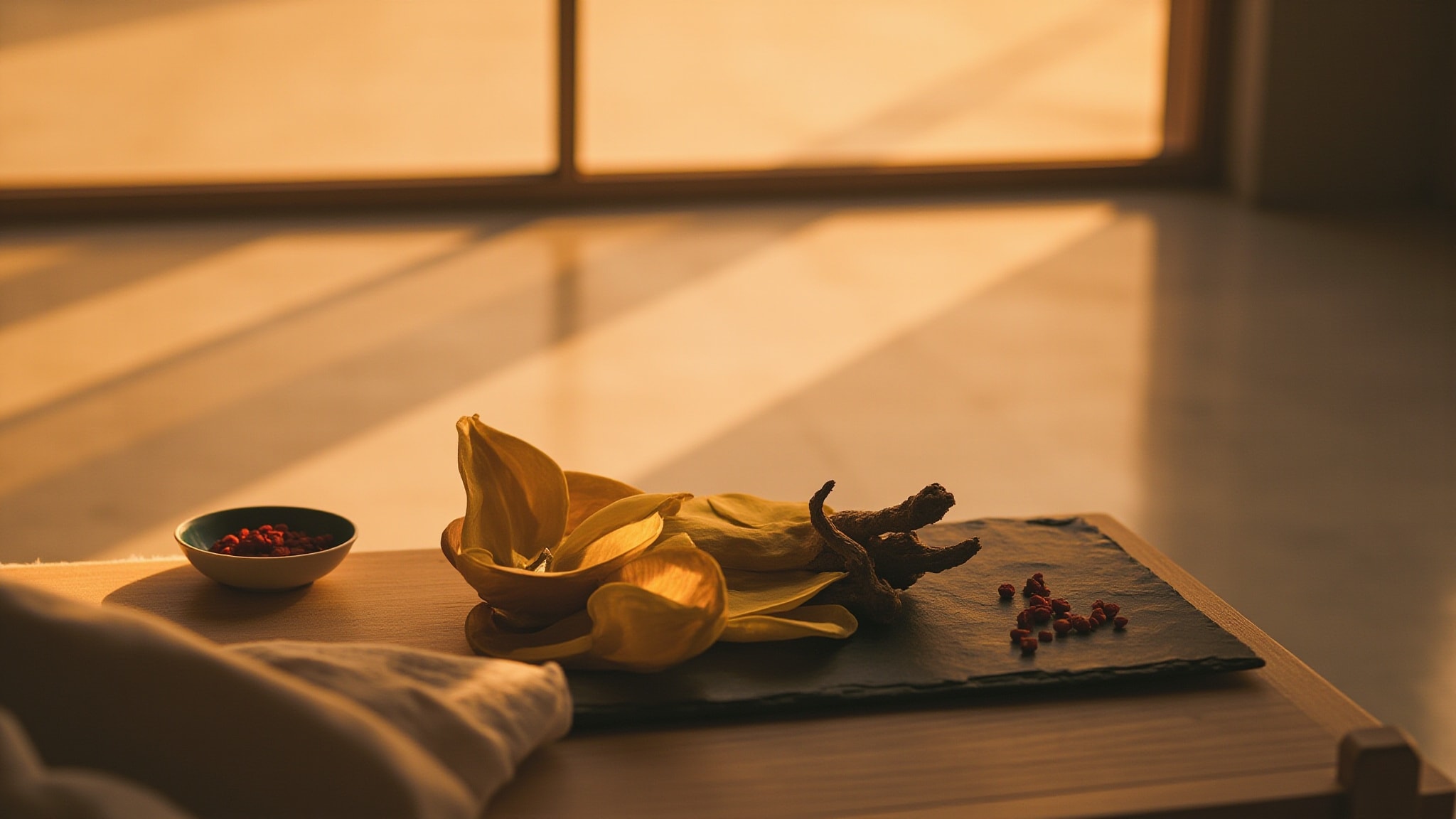
Himalaya dropped in 1993, one of Lush's earliest compositions. The fragrance is built around three ingredients: Ghanaian ylang-ylang, spikenard, and zanthoxylum. No bergamot scaffolding. No vanilla cushion. Just three materials doing all the work. The ylang brings a dense, almost confectionary sweetness, heavy with tropical pollen and ripe fruit. Spikenard grounds that sweetness with something dark and rooty, an earthy bitterness that reads almost fungal on first sniff. Zanthoxylum cuts through both with a strange, cooling buzz, a tingling pepper note that keeps the whole thing from collapsing into syrup. The combination is unusual because none of these are common perfumery materials.
Spikenard, also known as jatamansi, is the outlier here. It has an ancient association with sacred anointing oil, yet rarely shows up in modern perfumery. The root carries an earthy, slightly bitter profile that reads like damp soil and old wood, pulling away from the sweet-floral conventions most fragrances rely on. Pairing it with Ghanaian ylang-ylang is a deliberate choice. The ylang's dense tropical sweetness softens spikenard's harsher edges, and the spikenard in turn keeps the ylang from going cloying.
The evolution
On skin, Ghanaian ylang-ylang opens with a golden, almost overripe sweetness. It reads dense and tropical, with a candied edge that suggests ripe fruit left in the sun. As the composition warms, the spikenard rises from underneath, pulling that sweetness downward into soil, old wood, and damp earth. The air around the fragrance gets quieter, heavier, more contemplative. Zanthoxylum enters as the ylang starts to settle, and it brings a cool tingle at the edges, not hot, more like a numbing sensation with a faint electric current running through it. After the opening phase, the ylang recedes gradually and what remains is spikenard dominating the composition, with zanthoxylum threading through it like a cold current.
Cultural impact
Himalaya sits in an unusual corner of fragrance culture. It was originally released in 1993, discontinued, then re-released in 2019. The fragrance appeals to a specific kind of wearer, and to adventurous noses looking for something the big houses won't make. The spikenard is loud, earthy, and unmistakably present from the first spray. People who love it really love it. People who don't tend to wash it off within the hour. There's no middle ground with this one, and that polarity has become part of its reputation.